Llame al (888) 572-7520 para hablar con un agente

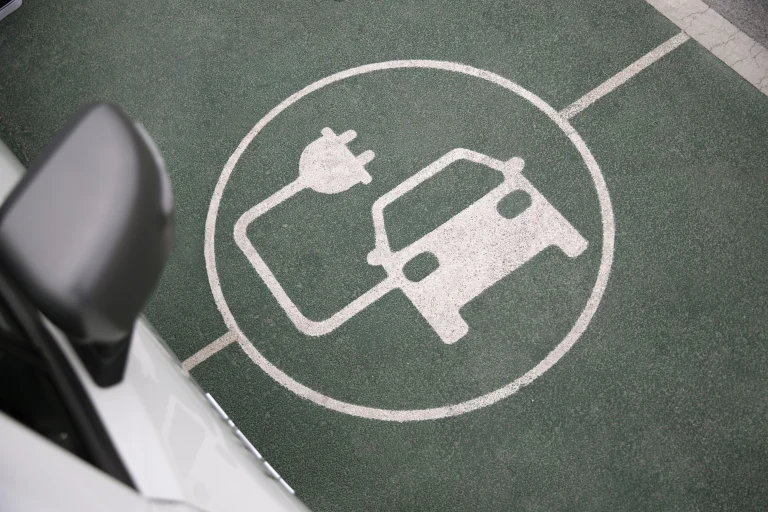
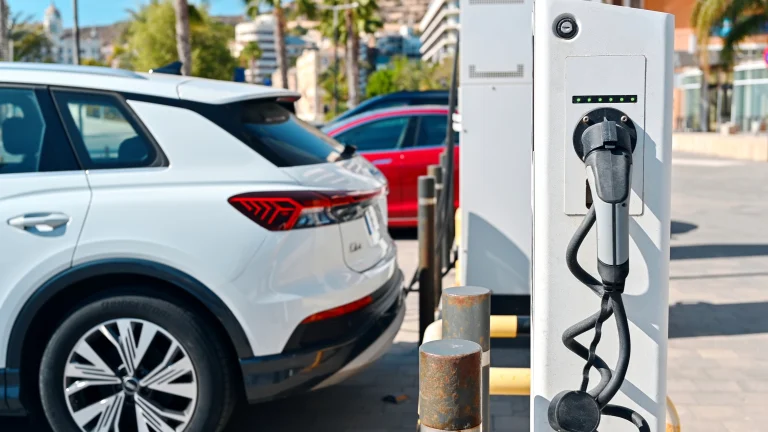
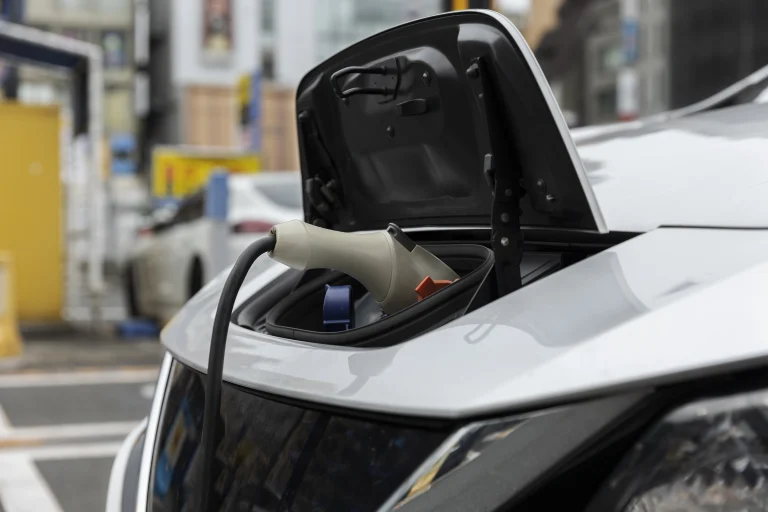
The United States is proposing to strengthen “Buy America” requirements for electric vehicle charging stations funded with public money.

On Tuesday, February 10, the U.S. Department of Transportation announced a proposal to increase the required U.S. content in electric vehicle charging stations funded with federal dollars from 55% to 100%, and to require that they be manufactured in the United States. The goal is to accelerate local manufacturing, strengthen industrial employment, and reduce foreign dependencies in key transportation infrastructure.

U.S. infrastructure policy tied to electric mobility has entered a phase of stricter production requirements. The administration of President Donald Trump has proposed that chargers financed with federal funds be manufactured entirely within the country, closing the door on partial integration schemes that had previously been allowed.

The amendment seeks to reinforce the program’s industrial focus: every dollar invested in expanding the network should translate into American jobs, innovation, and manufacturing capacity.

Buy America: los cargadores para vehículos eléctricos deberán ser 100% nacionales
Image: Freepik, via freepik.com

What changes compared to the previous framework

Until now, regulations allowed compliance with a 55% domestic content threshold. The update submitted to the Federal Highway Administration (FHWA) proposes raising that threshold to 100%.

The new standard would cover not only final assembly, but also the origin of internal components, electronic systems, structures, and associated equipment at charging stations. Once the regulatory process is completed, the rule would take immediate effect for projects that are in procurement or installation phases using federal funds.

The Department of Transportation argues that the industry now has the necessary capacity to produce locally. Under that premise, maintaining broad exceptions would no longer make economic or strategic sense.

The change aims to accelerate investment decisions, promote new plants, and consolidate U.S. suppliers in a market that will grow steadily as the electrification of commercial vehicles increases.

A national security component is also emphasized: a domestic supply chain would allow greater control over technological standards and potential cybersecurity risks.

For international manufacturers, the message is clear: participating in projects linked to federal funds will require a concrete industrial presence on U.S. soil.

For states, the measure introduces new variables in the planning of bids and contracts, requiring stricter verification of compliance with the mandated percentages.

Buy America: los cargadores para vehículos eléctricos deberán ser 100% nacionales
Image: frimufilms, via freepik.com

Benefits for trucks, fleets, and insurers

In the freight transportation sector, progress toward a broader charging network is seen as a necessary condition for scaling up the adoption of electric units. From that perspective, tightening the requirement could generate positive medium- and long-term effects.

Key benefits include:

  • Greater availability of spare parts, as production is concentrated within the country.
  • Closer technical support, with manufacturers and specialized service providers operating in the same market.
  • More predictable repair times, reducing operational uncertainty.
  • Shorter supply chains, less exposed to international disruptions.
  • Improved certification and quality control processes, relevant for audits.
  • Easier claims management, thanks to traceability and access to components.
  • For insurers assessing technological risk and business continuity, local manufacturing tends to simplify validation, certification, and replacement processes.
Buy America: Electric Vehicle Chargers Must Be 100% Domestic
Image: Freepik, via freepik.com

The challenge of transition

No change of this magnitude occurs without adjustments. Supplier adaptation and expanded production capacity may create temporary friction as supply aligns with new demand. Even so, the administration is betting that the incentive provided by the federal market will be sufficient to accelerate the process.

The decision confirms a broader trend: transportation policy is no longer limited to deploying infrastructure, but is being used as a tool to shape where and how technology is produced.

For fleet operators, truck manufacturers, and insurance companies, understanding this relationship will be key. Charger availability, maintenance costs, and supply stability will largely depend on the success of this push for domestic manufacturing.

If the plan moves forward as expected, the future of electric charging in the United States will be tied not only to energy, but also to the country’s industrial map.

Facebook
Twitter
LinkedIn
WhatsApp
Cold

US Climate Records 2026: Extreme Weather Is Already Reshaping Transportation Across the Country

US Climate Records 2026 are already redefining risk patterns for the transportation industry. Historic flooding and a deadly avalanche in California, unusual winter heat in Colorado, extreme snowfall in Alaska and rare January tornadoes in Oklahoma mark a start to the year of extraordinary intensity. In just two months, US Climate Records 2026 have broken long-standing benchmarks across multiple states.

Read More »

Leave a Reply

Your email address will not be published. Required fields are marked *

Business hours: Monday to Friday from 8:00 AM to 5:00 PM. California time
Leave your number and a member of our company will contact you
Horario de atención: Lunes a viernes de 8.00 AM a 5.00 PM. Hora california

Deje su número y un miembro de nuestra empresa se pondrá en contacto con usted

Privacy summary

This website uses cookies so that we can offer you the best possible user experience. Cookie information is stored in your browser and performs functions such as recognizing you when you return to our website or helping our team understand which sections of the website you find most interesting and useful.

More information about the privacy policy: Privacy Policy

More information about the terms of use: Terms of use 

More information about the disclaimer: Disclaimer 

More information on acceptable use policies: Acceptable Use Policies