The most recent FMCSA data shows the states with the highest number of Out-of-Service violations.
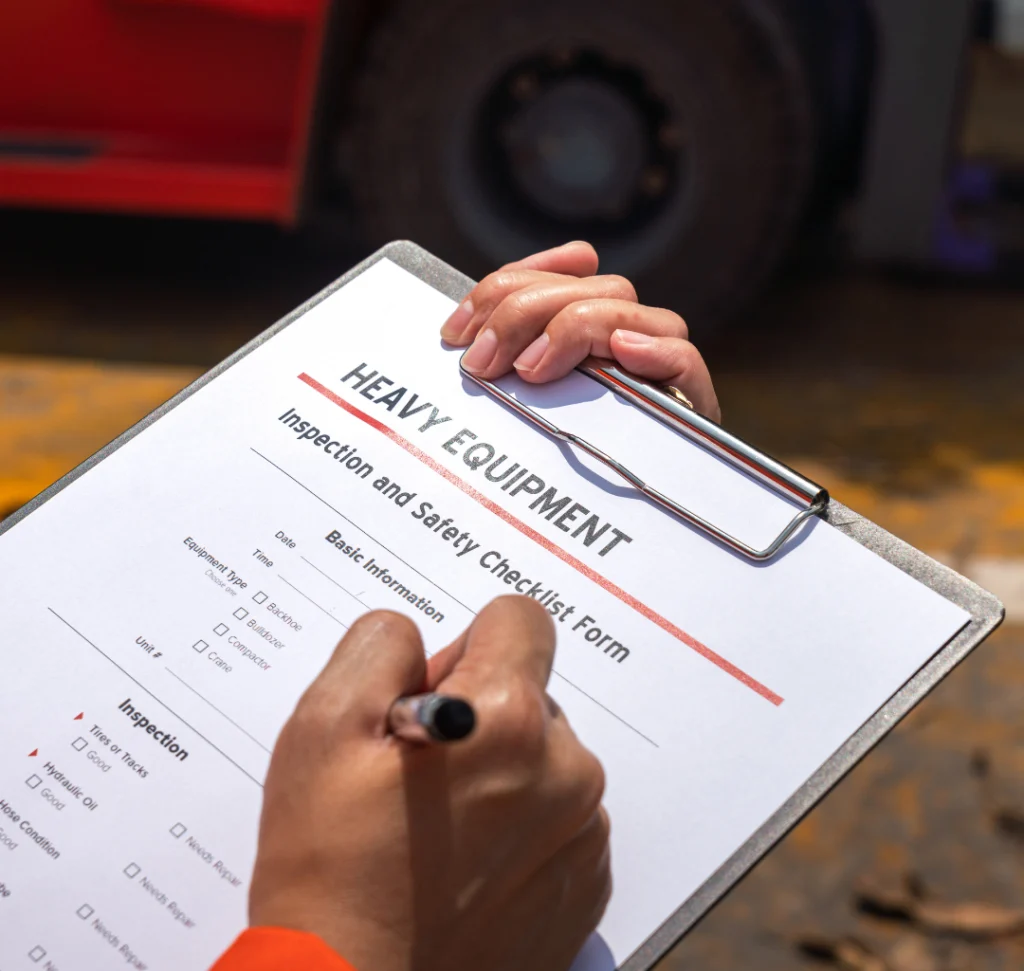
Roadside truck inspections conducted by the Federal Motor Carrier Safety Administration (FMCSA) began to increase in June, following the implementation of the English Language Proficiency (ELP) regulations. That same month, the FMCSA reported a 76% increase, reaching 2,956 inspections compared to 1,680 in June 2024. In July, inspections rose by 79% to 3,000, and in August, there was a 42% increase compared to the previous year.
In line with Department of Transportation directives, and as part of compliance with a regulation enacted under President Trump, the FMCSA has implemented stricter measures. As a result, there has been an increase in the number of truck drivers placed out of service for failing to meet inspection requirements.
Additionally, the Commercial Vehicle Safety Alliance (CVSA) deployed more than 12,000 certified inspectors nationwide to begin issuing Out-of-Service (OOS) violations to truck drivers who failed roadside tests assessing their ability to communicate in English and understand traffic signs.

States with the highest out-of-service violations
Although the increase in inspections is carried out under the banner of driver safety, the number of violations found in recent months has been striking. According to the most recent FMCSA data, these are the states with the highest number of Out-of-Service violations as of August 31:
- California: 1,385 violations from 6,400 inspections
- Texas: 1,304 violations from 3,471 inspections
- Arizona: 1,198 violations from 3,231 inspections
- Maryland: 252 violations from 464 inspections
- Florida: 114 violations from 496 inspections
The FMCSA’s public Motor Carrier Management Information System (MCMIS) collects statistics on roadside inspections of commercial vehicles at both the federal and state levels. Because state inspections also enforce local laws, such as those related to overweight permits, the numbers tend to be even higher.

Strengthening road safety
The order issued by FMCSA Administrator Robin Hutcheson in May followed an executive order signed on April 28 by then-President Donald Trump, focusing on the trucking industry. The directive instructed Hutcheson to take steps such as revoking previous policies that had relaxed English proficiency requirements for truck drivers and reviewing Out-of-Service (OOS) criteria to ensure that drivers who fail to meet language standards are removed from circulation.
While the increase in inspections is primarily driven by ELP enforcement, these are not the only types of violations that have risen. This points to a broader road safety crisis that has affected the trucking sector in recent months, reinforcing the need to implement more educational programs that help truck drivers operate safely, not only for their own well-being but also for that of other drivers on the road.

More Tariffs? New U.S. Trade Measures Target 60 Countries
President Donald Trump is set to launch a new round of double-digit tariffs on imports from 60 countries.

New Bill Would Make Staged Commercial Truck Accidents a Federal Crime
Florida Senator Ashley Moody pushes federal crackdown on staged truck accidents.

How Much Does It Cost to Maintain a Truck Each Year?
How much does it really cost to run a commercial truck? Fuel, tires, maintenance, insurance, and repairs make a commercial truck one of the most expensive tools.

Snowbound: Truckers Stranded on One of the World’s Toughest Roads
More than 600 truck drivers are waiting in the Andes for the reopening of the corridor linking the Atlantic and Pacific oceans—one of the most challenging mountain routes on Earth.

From those beloved historic routes to the power of the new interstate highways
The harshness of the old Route 66 gave way to the efficiency of today’s superhighways. With greater efficiency, technology, and services, the asphalt and the transportation business in the U.S. were transformed.

Florida Truck Weight Limits: What You Need to Know
In Florida, truck weight limits include some exceptions, but it is essential to comply with state regulations to avoid penalties.
All content and original artwork, unless otherwise noted, is protected by copyright. Saint George uses certain images under license from various licensing vendors for this purpose. Any unauthorized commercial reproduction or distribution of copyrighted materials is prohibited.