33% of workers believe their job negatively impacts their mental well-being.
A recent article in Trucking Drive presents the results of a survey conducted by Inmar Intelligence this past May, aimed at assessing how the work environment influences workers’ mental well-being. The research was based on the premise that the workplace can function both as a positive environment and as an additional source of stress. Factors such as economic uncertainty, political tensions, and the overall workplace climate were considered key determinants.
The study surveyed 1,000 full-time and part-time workers in the United States and revealed a divided perception: 34% believe their job has a positive impact on their mental health, while 33% see it as negative.
“This nearly even split reinforces the importance of thoughtful leadership and inclusive workplace design to support the full spectrum of employee needs,” Inmar stated in an article published on May 29. What factors contribute to these results?

Workplace factors that support mental well-being
The study identified both positive and negative workplace factors that affect employees’ mental well-being. According to Inmar Intelligence’s survey, the top factors that contribute positively include:
- Job security (45%)
- Reasonable workload (40%)
- Supportive management team (40%)
- Flexible work options (39%)
- Healthy workplace culture (38%)
In contrast, the main negative factors cited were:
- Poor communication (32%)
- Excessive or unclear workload (30%)
- Toxic or high-stress culture (29%)
- Lack of recognition (25%)
- Little support from leadership (24%)
Insights from the transportation industry illustrate how these negative factors add pressure to workers. According to a 2023 survey by DAT Freight & Analytics, nearly 75% of transportation workers report that their job is both physically and emotionally stressful. Additionally, few drivers are able to care for their well-being or seek support when needed.
A survey of 504 truck drivers—337 of whom own their own vehicles—revealed several stress-inducing conditions on the road. 54% spend less than 24 hours a week at home, affecting their family and social lives. Moreover, 33% work more than 49 hours per week, reflecting long workdays.

Improving employee mental well-being through workplace conditions
The findings from Inmar Intelligence reinforce the idea that mental health and working conditions are deeply interconnected. To promote positive change, Inmar suggests improving communication, organizational clarity, and leadership support.
Recent studies confirm that a positive work environment fosters mental well-being. Research from Simon Fraser University found that employees are 55% more likely to talk about their mental health when they feel they are in a supportive environment—leading to reduced absenteeism and improved performance.

The best roadside attractions for truckers in the U.S.
America’s highways hide unique places that break up the routine, don’t hesitate to check out these roadside attractions along the way. The road is much

The trucker style: comfort, function, and identity
Truckers’ style is much more than workwear; it’s an identity. These are the most commonly worn garments among truckers. Truckers’ style is much more than

Chaos on Highway 61: Viral Wrong-Way Truck Video Reignites the CDL Debate
An 80-ton tractor-trailer traveling miles in the wrong direction on Missouri’s Highway 61 has reignited a nationwide debate over Commercial Driver’s License (CDL) standards, training
How technology affects driver retention
Friend or foe? 52% of drivers say technology directly influences their decision to stay with or leave a fleet. Fleet telematics company Platform Science published

Dalilah Law seeks to remove non-english speaking commercial drivers
President Donald Trump proposed the “Dalilah Law,” an initiative aimed at prohibiting undocumented immigrants from obtaining commercial driver’s licenses. On February 24, President Donald Trump
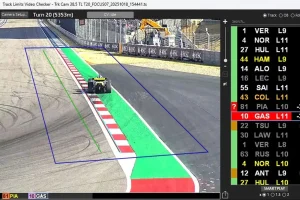
FORMULA 1 and the AI That Could Transform Transportation in the U.S.
The artificial intelligence system that Formula 1 implemented to monitor every car on every turn is opening the door to new applications in trucking, logistics,