U.S. trucking industry, regulatory and policy updates.
Federal Highway Administration updates road safety regulations
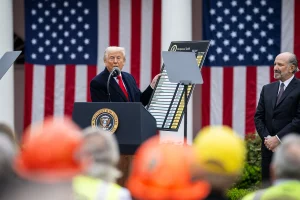
The Federal Highway Administration (FHWA) updated its road work zone safety regulations on November 1 for the first time in 20 years, incorporating changes to improve the protection of highway construction workers. The revised regulation combines two previous regulations: the 2004 Work Zone Safety and Mobility Rule and the 2007 Temporary Traffic Control Devices Rule. It’s goal is to modernize traffic control devices to reduce accidents in these areas.
This update addresses the increase in accidents in work zones, which have risen by 53% over the past decade. The new regulation will go into effect on December 2, requiring the use of protective devices to safeguard workers from high-speed vehicles. It also urges state transportation departments to improve work zone planning through more thorough reviews and the use of metrics to measure safety.
Additionally, the reporting deadline has been extended from every two years to every five years, giving states more time to assess their processes and policies. This change comes amid a rise in infrastructure projects funded by the bipartisan infrastructure law, which allocates $550 billion between 2022 and 2026 for the renewal of critical infrastructure.
The agency states that these changes will allow for a more coordinated and comprehensive approach to addressing overall safety and the impacts of mobility in work zones throughout the various phases of project development.

California calls legislative session to defend environmental policies against Trump Administration
California Governor Gavin Newsom has expressed concern over the re-election of President-elect Donald Trump, particularly regarding key climate change policies and emissions regulations. In response, he has called for an extraordinary legislative session on December 2. Newsom noted that his office and the Attorney General’s office have been preparing for over a year to legally challenge federal policies they deem unconstitutional or illegal, with the goal of defending California’s environmental laws and programs.
In a recent speech, Trump expressed his intention to repeal the electric vehicle mandate imposed by the Biden-Harris administration, citing challenges related to the range and weight of electric trucks compared to diesel trucks. This mandate is tied to the EPA’s stringent emissions standards for light- and heavy-duty vehicles, which aim to increase electric vehicle production in the automotive industry.
The extraordinary session in California is designed to allocate additional funds to the Department of Justice and other state agencies to support litigation against the Trump administration’s policies, defend against potential lawsuits, and take action to mitigate the negative impacts of these policies.
Meanwhile, the California Air Resources Board (CARB) recently amended its Advanced Clean Trucks (ACT) rule, allowing greater flexibility in the certification of zero-emission vehicles (ZEVs). The amendments include changes to the ZEV credit system, allowing manufacturers to receive credits when delivering vehicles to dealerships rather than waiting for the final sale to consumers. Additionally, manufacturers will now be able to trade, sell, or transfer these credits between them.

National diesel prices continue to decline
During the week of November 11, the average diesel price in the U.S. was $3.521 per gallon, a decrease of 1.5 cents from the previous week, according to data from the Energy Information Administration (EIA). This marks the third consecutive week of price reductions, totaling 5.2 cents.
Compared to the same week in 2023, the national average has dropped by 77.3 cents. Below are the average diesel prices by region:
- Lower Atlantic: $3.478
- Central Atlantic: $3.807
- California: $4.666
- East Coast: $3.579
- West Coast: $4.180
- Gulf Coast: $3.170
- Midwest: $3.504
- Rocky Mountains: $3.525
- New England: $3.747


U.S. labor market raises red flags on Wall Street
The U.S. labor market closed 2025 with clear signs of weakening, as evidenced by the latest employment data released in December. In the latest episode

DOT finds half of North Carolina CDLs were issued illegally
The DOT warns that half of North Carolina’s CDL licenses are irregular after a federal audit uncovered serious compliance failures. The findings directly affect truckers, fleets, and transportation companies, raising urgent questions about road safety, legal operations, and the future of the trucking industry.

California’s Unhealthy Air: Impacts on Trucking and Freight
Unhealthy Air Quality in California: What Repeated Pollution Alerts Mean for Trucking and Freight Operations

Global Road Freight on Track to Hit USD 5 Trillion by 2033
Global Road Freight on Track to Hit USD 5 Trillion by 2033 as e-commerce growth, supply chain restructuring, and technology adoption accelerate demand for road-based cargo transport worldwide.

California misses DOT deadline risking $160 million in federal funding
The state of California has reached the deadline set by the DOT to take action regarding the situation involving the number of non-domiciled CDLs issued

Health on Wheels: How to Prevent the Most Common Conditions on the Road
Health on wheels matters for anyone who spends long hours on the road. How to prevent the most common physical and mental conditions and maintain healthier routines while working behind the wheel.