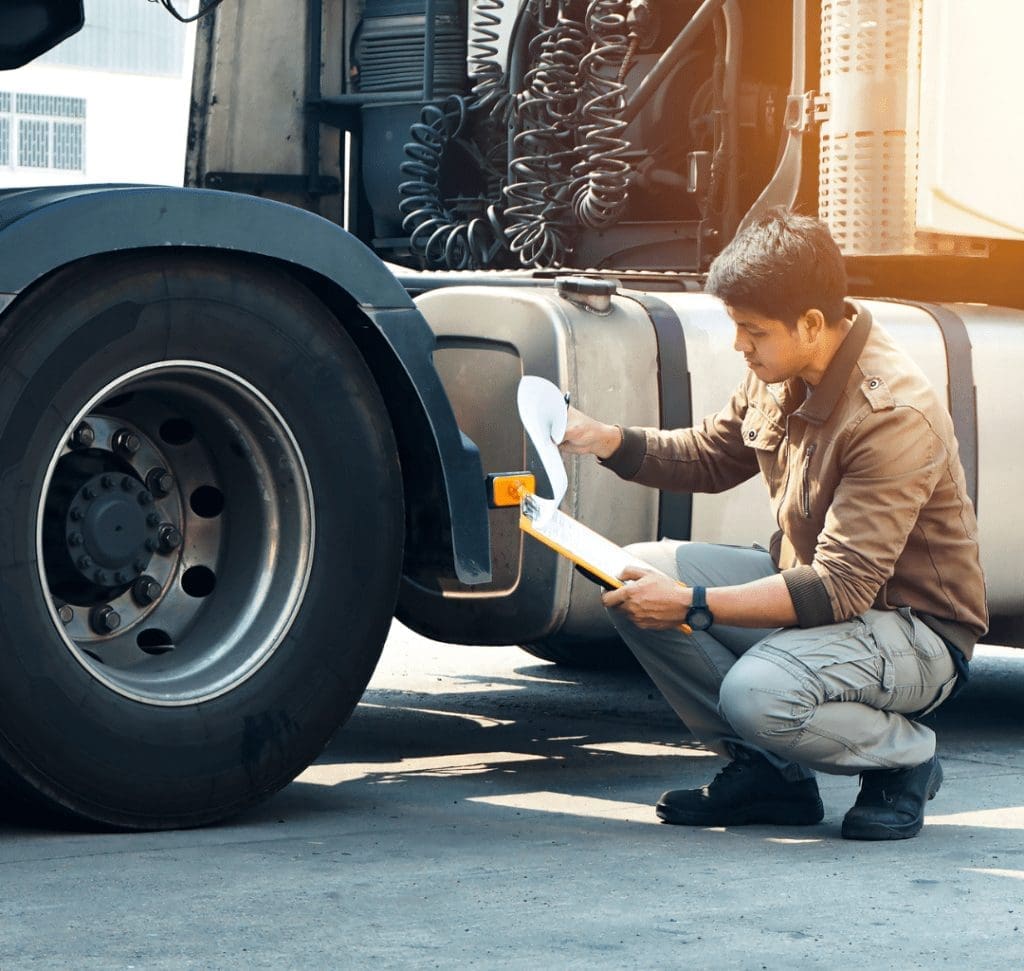
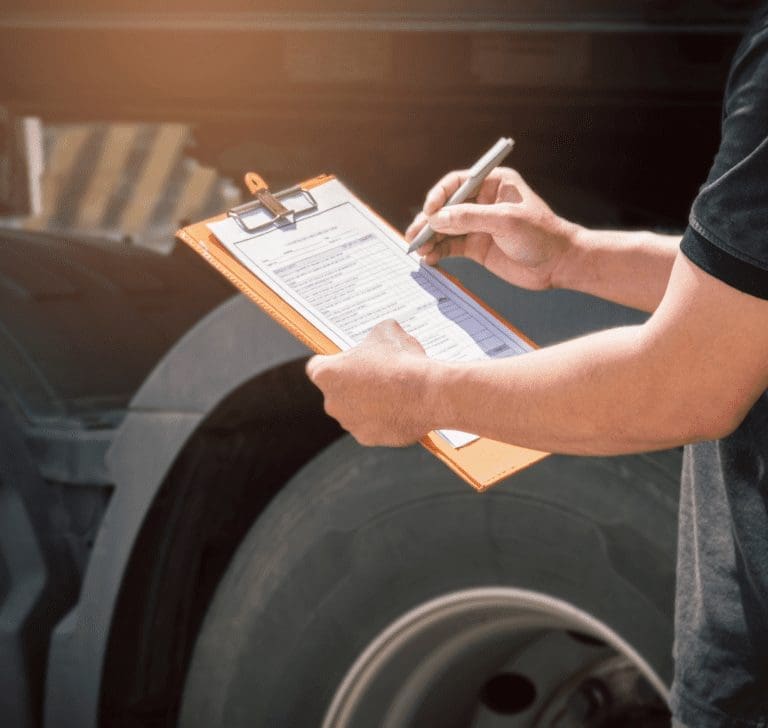
From Tuesday, May 14 to Thursday, May 16, 2024, the International Commercial Vehicle Safety Alliance's DOT Week 2024 will be held at the International DOT Roadcheck
From Tuesday, May 14th to Thursday, May 16th, 2024, the DOT Week of the Commercial Vehicle Safety Alliance (CVSA), also known as International Roadcheck, will take place. This inspection will occur in the United States, Mexico, and Canada during the specified dates and will focus on two main areas: tractor protection systems and drug and alcohol-related infractions.
Failing an inspection could result in an out-of-service violation, meaning the truck and/or the driver cannot operate until the violation is corrected. Therefore, we provide all necessary information here to be prepared for International Roadcheck.

International Roadcheck: everything you need to know
The CVSA International Roadcheck is the world’s largest commercial vehicle enforcement program. During this 72-hour event, law enforcement officials in North America will conduct an average of 15 vehicle inspections per minute. These inspections will cover everything related to trucks and drivers: ELD compliance, tire tread, brakes, exhaust, suspensions, lights, and much more. This year, the inspection will focus on two areas: tractor protection systems and possession of alcohol and controlled substances.
The possession and consumption of controlled substances and alcohol remain a significant concern for carriers and the general public. The number of prohibited drivers on the U.S. Drug and Alcohol Clearinghouse (DACH) list has increased, posing a threat to public safety on the roads. Additionally, the inspection will also focus on tractor protection systems to increase awareness of the importance of these critical components that may be overlooked during inspections.
During the three days of International Roadcheck, inspectors will conduct Level I inspections of the North American Standard, a 37-step procedure that assesses vehicle components and driver documentation and requirements. A vehicle that passes a Level I or V inspection without violations will receive a CVSA decal valid for three months.

What is checked during inspections?
Inspectors will ensure that systems comply with regulations. The systems to be checked include:
- Vehicle braking system
- Cargo securement
- Coupling devices
- Powertrain components/drive axle
- Driver’s seat
- Fuel and exhaust systems
- Frames
- Lighting devices
- Steering mechanisms
- Suspensions
- Tires
- Windshield wipers
Additionally, inspections of buses, passenger vans, and other passenger transport vehicles will also include the inspection of emergency exits, seats, cables, and electrical systems in engine compartments and batteries. During the driver inspection, their credentials, hours of service documentation, Drug and Alcohol Clearinghouse (DACH) status (only in the U.S.), seat belt usage, and impairment by alcohol or drugs will be verified.
How can carriers successfully navigate DOT Week?
In 2023, CVSA conducted nearly 60,000 inspections, with 19% resulting in out-of-service vehicle violations (down from 22.8% in 2022). Carriers should make adjustments during these days to avoid delays and continue to fulfill their duties.
- Ensure compliance with DOT regulations
- Anticipate delays
- Take advantage of available cargo
- Be flexible whenever possible
- Consider DOT Week as just another week of work

California: Scammers Impersonate FMCSA’s Motus System, Putting Trucking Companies’ Data at Risk
The Federal Motor Carrier Safety Administration (FMCSA) is warning trucking companies about four fraudulent websites impersonating its new federal registration system. Scammers are using emails that demand urgent updates to redirect carriers to fake portals. The warning also applies to California motor carriers.
Do You Know How Much Money Your Truck Has Lost Sitting Idle in 2026?
Hours spent waiting at warehouses and distribution centers continue to cost American truck drivers time and money. Federal research has estimated more than $1 billion in annual lost driver income, while the FMCSA explores new ways to address detention time and its impact on road safety.

The Incredible Story of a Grave in the Middle of an Indiana Road
On a rural road in Indiana, drivers must navigate around a grave that has remained in the same location since 1831. The story of Nancy Kerlin Barnett, her family, and an unusual engineering decision has turned this stretch of pavement into one of the state’s most famous roadside curiosities.

Autonomous Trucks: Who Places the Warning Triangles When There’s No Driver?
A federal exemption allows warning triangles to be replaced with cab-mounted beacons on certain autonomous trucks. The decision addresses how to warn approaching traffic when no one can step out of the cab.

Diesel in the USA: Which States Suspended the Tax—and Which Still Charge It?
Georgia, Ohio and North Carolina have introduced temporary fuel tax relief. Texas, Indiana, Illinois and Utah have different measures, with limits that truckers should understand before calculating potential savings.

Indiana and Ohio Pave the Way for Autonomous Trucking
Backed by an $8.8 million investment and federal transportation funding, Indiana and Ohio are developing a corridor to test automated trucks in real-world freight operations. The project aims to improve highway safety, logistics efficiency, and interstate autonomous vehicle operations.