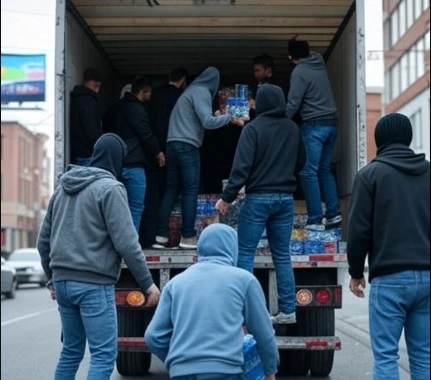
Holiday weekends in the U.S. bring more than heavy traffic. Security experts warn that Labor Day has become one of the riskiest periods for truck drivers, with cargo thefts rising sharply as criminals take advantage of reduced staffing, extended layovers, and high freight volumes.
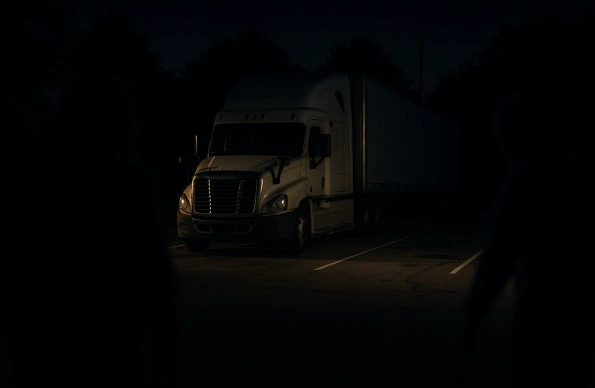
Labor Day weekend, often marked by adjusted schedules for shippers and receivers, creates longer waiting times for trucks parked at terminals or rest areas. These idle periods provide thieves with the perfect window to target vulnerable freight.
Reports from supply chain risk firms such as CargoNet and Overhaul confirm that cargo theft activity increases by as much as 40% during holiday weekends compared to regular weeks. The most frequently stolen goods include:
- food and beverages – easy to resell and hard to trace.
- electronics – high demand and high value per unit.
- auto parts and tires.
- metals such as copper and aluminum.
While trailer break-ins at unsecured parking lots remain the most common method, authorities are also warning about the rise of digital fraud schemes, where criminals impersonate legitimate carriers to hijack entire shipments.

Hotspots for cargo theft
Although thefts occur nationwide, some states show consistently higher risks due to heavy freight flows and dense logistics hubs:
- California – Los Angeles area and Central Valley.
- Texas – Houston, Dallas, and border routes to Mexico.
- Florida – Miami and Jacksonville.
- Georgia – Atlanta metro region.
- Illinois – especially Chicago.
- New Jersey – tied to Northeast ports and warehouses.
These regions combine massive freight volumes with sprawling highway networks and rest areas that often lack sufficient security.
Safety tips for truckers this Labor Day
Security specialists recommend that drivers and carriers take extra precautions over the holiday weekend. Key measures include:
- Route planning – avoid prolonged stops in areas with a known history of theft.
- Technology upgrades – install GPS tracking devices and electronic locks on trailers.
- Secure parking – choose well-lit lots with cameras and surveillance whenever possible.
- Reduce idle time – coordinate with shippers and receivers to prevent cargo from sitting unattended for more than four hours.
- Stay connected – keep dispatch informed of location and unexpected delays.
- Verify contacts – confirm the identity of anyone requesting pickup or delivery to avoid fraud schemes.
Shared responsibility
While drivers are on the front line, companies play a critical role. Carriers are expected to invest in training, risk protocols, and traceability tools to protect both operators and customers. Insurance providers have also raised their requirements, demanding proof of tracking systems and safe-parking policies before underwriting coverage.
The cost of cargo theft is not limited to the stolen goods. It brings delays, lawsuits, lost clients, and reputational damage to the entire supply chain.
Vigilant and proactive
This Labor Day, millions of Americans will enjoy a long weekend, but truckers will face heightened risks on the road. Criminal groups are known to exploit reduced oversight and increased freight flows during holidays.
The message is clear: be vigilant and proactive. Preventive actions — whether technological, operational, or simply staying alert — can make the difference between a safe trip and a costly loss. In an era of increasingly sophisticated cargo theft, foresight and caution remain the strongest defenses for those who keep America’s economy moving.

Commercial Driver’s License (CDL) in Washington: A Guide for Truck Drivers
For those looking to work as professional drivers in the state of Washington, obtaining a Commercial Driver’s License (CDL) is one of the most important

The Growth of Intermodal Transport in Washington: The New Inland Hub Gets Moving
The Tri-Cities Inland Logistics Hub and a new rail link in Pasco are driving intermodal transport growth in Washington.

The Main Truck Bottlenecks in Washington in 2026
The I-5 bridge over the Columbia River is the worst truck bottlenecks in Washington and Oregon.

Guide to Permits for Oversize Vehicles in Washington
Transporting an oversize vehicle, machinery, or load on Washington state highways can require a special size and weight permit. Learn when a permit for oversize load is needed.

High-Value Cargo Leaving Washington Ports: Why a Standard Policy May Not Be Enough
Electronics, machinery, industrial components, and other goods can concentrate hundreds of thousands of dollars in a single trailer. For carriers operating out of Seattle and Tacoma, knowing the true value of what they are hauling can be just as important as knowing the route.

Florida Highways for Truck Drivers: How the State’s Road System Works
Florida organizes its highway network into seven FDOT districts, along with Florida’s Turnpike. Here’s how the system works and what this division means for truck drivers and motor carriers.