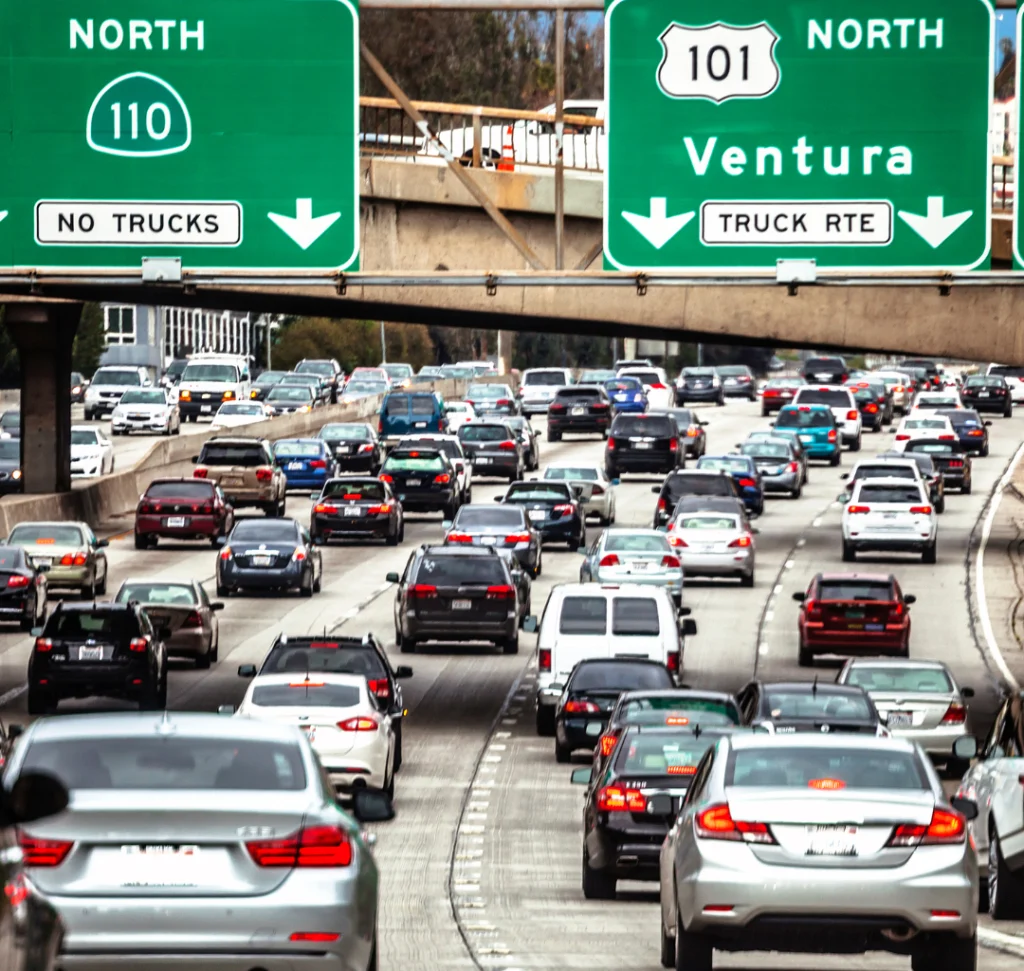
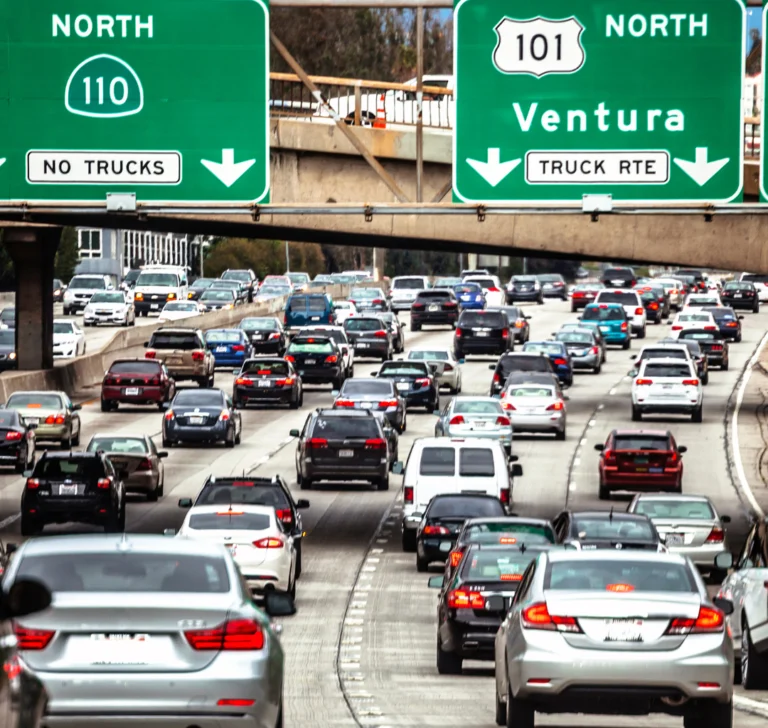
The city of Los Angeles has been involved in a series of protests that will continue for several days; here's how to navigate them with due caution.
Since June 6, the city of Los Angeles has been engulfed in a series of protests following an increase in raids by the Immigration and Customs Enforcement (ICE) agency in the region. Protesters have announced their intention to continue demonstrations for several days, causing significant increases in traffic and blockages on various streets and highways, posing an additional risk to heavy truck drivers.
Los Angeles Mayor Karen Bass expressed on social media that her main priority is to ensure the safety of all citizens. Although the peak of the protests occurred on Sunday, June 8, when demonstrators blocked one of the main freeways, authorities still consider additional measures necessary in response to possible detours, closures, and traffic disruptions.

How to stay safe as a truck driver during the protests in Los Angeles?
The protests will not only continue in Los Angeles but are also expected to spread to other states that have announced their support for the cause, including New York. Therefore, for truck drivers traveling to or through these areas in the coming days, taking extra security precautions will be essential.
Based on a recent LandLine publication and supported by recommendations from OOIDA’s Director of Safety Operations, Doug Morris, we share some tips to face possible situations that could arise if truck drivers cannot alter their delivery routes or are caught unprepared:
- Know the alternative routes you can take during your trip. Have a plan ready if you expect to travel through areas that might be closed due to protests
- Stay informed about route closures. Our homepage offers daily updates on road conditions across the U.S. to facilitate your journey.
- If you must pass through a protest, keep your vehicle doors locked at all times.
- Follow company policies established for these types of incidents.
- Do not attempt to cross barricades or blocked zones.
- If stopped by authorities, clearly explain your destination and the reason for traveling through those areas.
- If your vehicle is equipped with surveillance cameras, make sure they are turned on.
- Do not respond to provocations or engage with protesters; your priority is safety and avoiding conflicts.
- Remain calm at all times.

Your safety will always be a priority. Although delays in deliveries or shipments cannot be completely avoided, follow these recommendations and stay alert to traffic updates to mostly avoid obstructed routes.

4,000 Brake Inspections Led to Commercial Vehicles Being Removed from Service
The CVSA conducted inspections of commercial vehicles across North America as part of Brake Safety Day.

U.S. Bill Seeks to Create Federal Standards for Autonomous Trucks
As part of the BUILD America 250 Act, a comprehensive federal regulatory framework for the deployment of autonomous trucks in the United States has been proposed.

Freight: America’s New Push to Modernize Roads, Ports and Supply Chains
The U.S. Department of Transportation unveiled the 2026 National Freight Strategic Plan, a roadmap to upgrade a nearly seven-million-mile freight network that moves more than 54 million tons of goods every day. The announcement comes amid growing industrial activity, reshoring and mounting pressure on America’s logistics infrastructure.

World Cup 2026: The truckers are well insured and ready to be champions
The championship will turn US highways into a logistical hive of activity. A massive challenge that will require securing every truck and its cargo before the starting whistle. The numbers behind this huge business.

Can You Drive a Truck in the U.S. With a Mexican License?
Searches about Mexican CDL equivalents, trucking jobs and work permits in the United States are surging across Google, ChatGPT and other AI platforms. One of the most common questions among drivers and migrants is whether a Mexican commercial license is valid in the U.S. The short answer is yes — but only under specific conditions.

What Insurance Does an Owner-Operator Need in the United States?
The most important insurance coverages every owner-operator should consider to operate with greater safety and peace of mind in the United States.