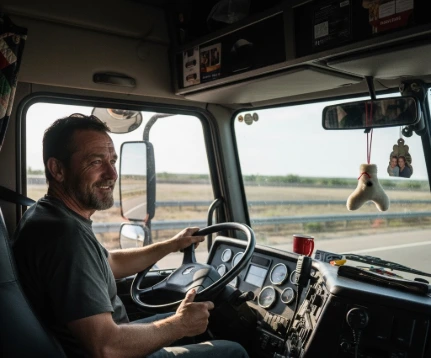
Between superstition and tradition, many seasoned truck drivers swear that there are certain things professionals just don’t do on the road if they want to keep bad luck away. Believe it or not, these rituals are part of an unwritten culture that rides along every mile—from avoiding $50 bills to holding their breath when passing a cemetery.
The open road has a language of its own—one spoken through headlights, long silences, endless dawns, and split-second decisions that can change everything.
So it’s no surprise that long-haul truckers often develop road rituals and superstitions they believe keep the journey “clean,” free of accidents, and full of good energy.
To some people, these habits may sound like harmless folklore. But for those who live between mile markers, following them brings calm, focus, and a sense of protection.
Here are ten things many professional truck drivers avoid on the road to keep their luck alive, according to sources like Pride Transportation, Bobtail.insure, CommercialTruckTrader, EldtPro, and LGT Transport.
Interestingly, even regular drivers often follow similar rituals—like talking to their car, not counting down remaining miles, or staying silent when passing a cemetery.

1. Holding their breath when passing a cemetery
One of the most widespread beliefs is that you shouldn’t breathe while driving past a cemetery. The idea is that inhaling in that moment may attract bad energy—or bring something unwanted into your soul. Some even touch the steering wheel or make the sign of the cross while holding their breath until they’re clear of the area.
2. Carrying $50 bills (bad omen money)
Many U.S. truckers avoid carrying fifty-dollar bills, calling them “jinxed.” This superstition reportedly comes from a tragic motorsport story that later spread into the trucking world. According to Bobtail.insure, some drivers swear that every time they had a “fifty” in their pocket, something went wrong on the trip.
3. Leaving with a completely empty flatbed
Certain flatbed or platform drivers believe hitting the road totally empty brings misfortune or unexpected problems. LGT Transport reports that some truckers will load even a small symbolic object or a piece of equipment—just to feel safer. As some veterans say, “Empty truck, tough road.”
4. Crossing the highway on foot to rest
Beyond the obvious physical danger, some truckers believe that stepping down, crossing a highway from one side to the other, or resting right at a crossing breaks the “line of safety.” Stories gathered by Pride Transportation say drivers feel this act “opens the door to an accident.”
5. Speaking negatively about the trip before it starts
“If you say everything will go wrong, it will,” some drivers claim. That’s why many avoid verbalizing fears before starting a route. Some even tap gently on the dashboard or steering wheel to “cancel out the bad words.” This “knock on wood” version of trucking helps set positive mental energy.
6. Not thanking the truck after a tough haul
Believe it or not, many truckers feel their rig has a soul. EldtPro has documented cases of drivers who talk to their trucks, refer to them as “she,” and thank them after surviving dangerous weather or difficult terrain. Skipping this gesture is seen by some as tempting fate.
7. Not having a lucky charm in the cab
Cab decorations often have spiritual meaning: small bells, religious medals, crosses, horseshoes, feathers, or dangling trinkets. Some say the sound of a hanging metal bell near the mirror drives away bad energy. Others just feel that carrying something emotionally meaningful acts as an invisible shield.
8. Starting a trip right after receiving bad news
Many truckers avoid hitting the road immediately after receiving upsetting or emotionally heavy news. The belief is that a “heavy mind attracts trouble.” Whether superstition or safety psychology, most agree: mental distraction can be dangerous.
9. Counting down remaining miles out loud
Some drivers won’t say things like “Only 100 miles left,” believing that announcing a finish line causes last-minute breakdowns or bad luck. Instead, they let the trip flow without tempting fate—as if the road itself might challenge them for speaking too soon.
10. Leaving without a ritual gesture or touch
Before starting the engine, many professional drivers have a personal ritual: touching the hood, tapping the side of the seat, looking at the sky, or whispering “Let’s go.” Skipping this step can feel like “leaving blind.” It’s not just superstition—it’s a way to mentally lock in, calm nerves, and seal a small pact with the journey ahead.

Freedom 250 Grand Prix Set to Make History in America’s Capital
Organized by INDYCAR in collaboration with the White House, the “Freedom 250 Grand Prix” will combine high-speed racing with a celebration of American patriotism.

Safe Driver Week 2026 Begins: Stay Prepared
The Safe Driver Week by the Commercial Vehicle Safety Alliance (CVSA), officially began on July 12.

ICE Expands Inspections for Truck Drivers: Required Documents
ICE agents have joined commercial vehicle inspections at selected U.S. weigh stations. Drivers should be prepared to present a valid CDL, vehicle documents, proof of legal work authorization, and meet the federal English proficiency requirement.

Common DOT Violations and How to Avoid Them
Common Department of Transportation (DOT) violations for truck drivers in Texas and California and how to avoid them.

New World Screwworm Cases Rise in Texas as Origin Remains Unknown
Uncertainty surrounds the spread of the New World screwworm in Texas; experts still don’t know how it entered the U.S.

Cyclospora Outbreak: How to Protect Your Health on the Road
The Cyclospora outbreak has already sickened more than 1,400 people in states including Michigan, Ohio, Illinois, Indiana, New York, North Carolina, and Texas. For truck drivers, recognizing the symptoms and preventing dehydration could make the difference between a safe trip and an unexpected stop.