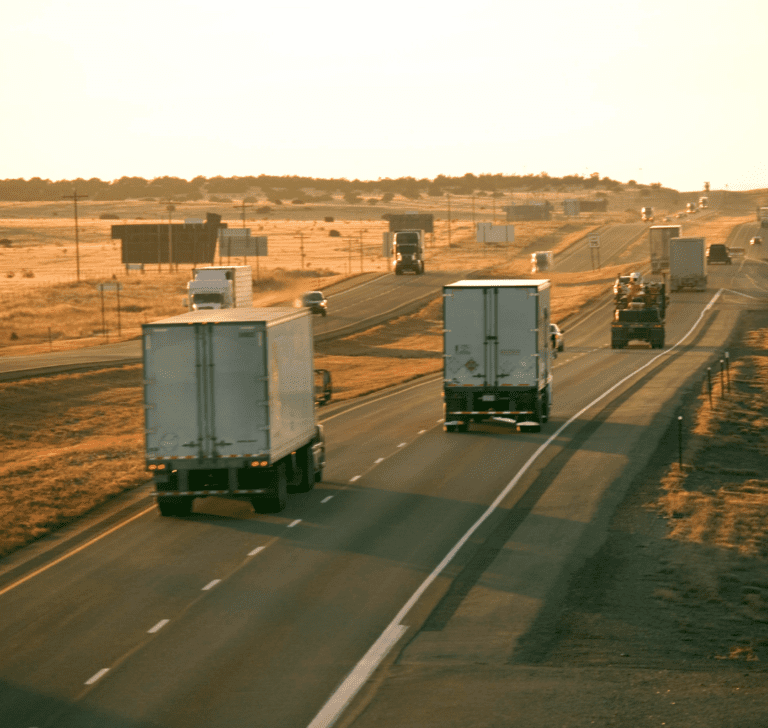
The investment includes the implementation of a 10-year Transportation Plan
An ambitious $148 billion investment plan for Texas transportation infrastructure has been announced by Governor Gregg Abbott. This announcement highlights the state’s commitment to modernizing and expanding its transportation systems, aiming to improve the quality of life for its residents and support economic growth.
The investment includes the implementation of a 10-year Transportation Plan valued at $104.2 billion, managed by the Texas Department of Transportation (TxDOT). This Unified Transportation Program has primary goals of enhancing road safety, relieving congestion, and optimizing connectivity between regions. Additionally, over $43 billion will be allocated for the development and routine maintenance of existing infrastructure, ensuring its good condition over time.
Compared to last year, the investment has received an increase of $5.6 billion, reflecting the state’s ongoing effort to tackle mobility and urban expansion challenges. Abbott emphasized that with this record investment, Texas will be able to address the needs of suburban and urban communities, easing road congestion and, most importantly, improving road safety. TxDOT Executive Director Marc Williams also commented on the scale of the project, noting that this investment will help ensure safe and efficient transportation for both people and goods across all areas of Texas, from rural to metropolitan.

Unified Transportation Program: Road Projects in Texas
The Unified Transportation Program is crucial for the planning and execution of road projects and is updated annually to meet new needs and challenges. This year, the decadal plan has exceeded $100 billion for the second consecutive time, underscoring its significance and the ongoing commitment to alleviating congestion on the state’s 100 most congested roads.
Furthermore, the program will include a $1.9 billion investment for congestion-relief projects through the Texas Clear Lanes initiative, which aims to ease traffic in the state’s five largest metropolitan areas. Since its launch in 2015, these projects have received a total of $75.8 billion. The new investment also includes $17.3 billion for improving road safety and an additional $1.7 billion for developing rural corridors and key economic area roads, ensuring a more robust and efficient infrastructure for all Texas residents.
By significantly increasing funding for the Unified Transportation Program and focusing on critical areas such as road safety, congestion relief, and infrastructure maintenance, the state demonstrates a strong commitment to enhancing mobility and supporting economic growth. This comprehensive approach not only addresses immediate transportation challenges but also lays a foundation for long-term improvements, ensuring a more connected, efficient, and safer transportation network for all Texans.

How Trump’s Multi-Billion-Dollar Plan Aims to Rebuild America’s Critical Bridges
The Trump Administration will allocate $3 billion to repair and modernize critical bridges across the U.S., where more than 220,000 structures currently require major maintenance or replacement.

Geotab ranks FIFA 2026 host cities by transportation readiness
Geotab analyzed data to assess how prepared the host cities of the 2026 World Cup are for the surge in transportation demand that the tournament will generate this summer.

U.S. Supreme Court allows negligent hiring lawsuit against freight brokers to proceed
The decision establishes that logistics companies and freight brokers may face lawsuits under state laws for accidents involving the carriers they hire.

Waymo Vehicle Recall Raises New Questions About Autonomous Driving Safety
Waymo has recalled nearly 3,800 autonomous vehicles in the United States after braking failures were detected on flooded streets, reigniting concerns about whether artificial intelligence is truly prepared to operate safely under real-world traffic and extreme weather conditions.

The recovery of rates injects optimism into the transport sector
The exodus of carriers and the rebound in demand are projected to cause cost increases of up to 17% year-on-year in 2026. Fleet profitability is returning. What is expected for the rest of the year?

The hidden cost of potholes: accidents, repairs, and billions in damage
Potholes in the United States generate approximately $3 billion annually in vehicle repair costs and lost productivity for drivers.