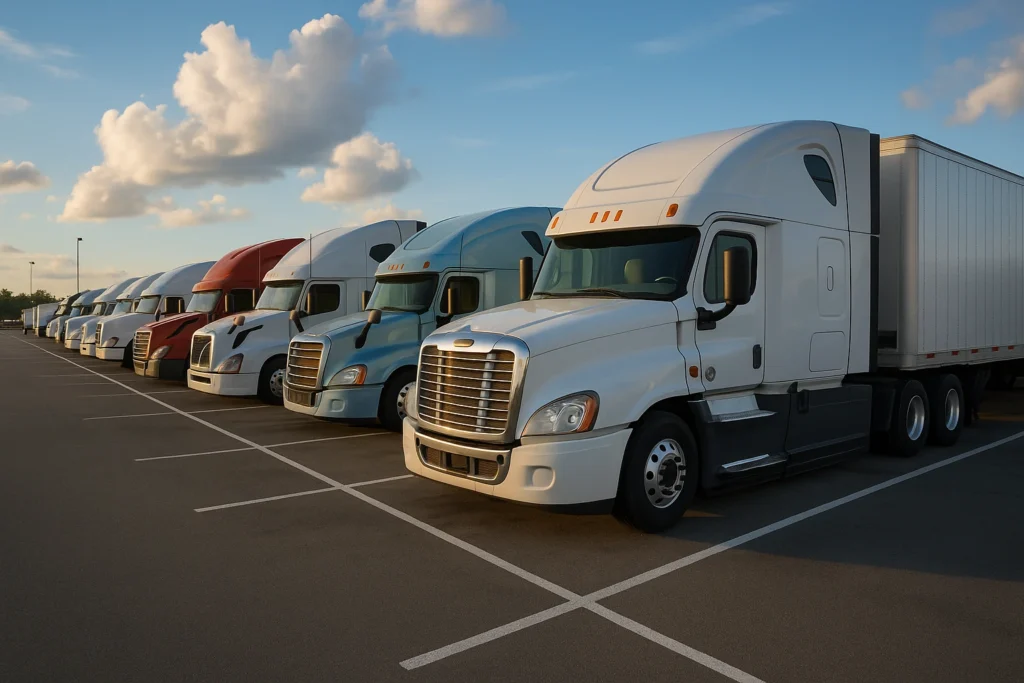
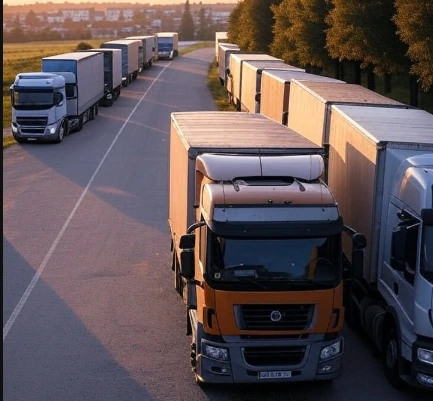
Delays at docks don’t just waste hours—they drain drivers’ earnings, strain company resources, and increase safety risks across the supply chain. Detention time has become a hidden burden that threatens both profitability and well-being in the trucking industry.
In the trucking industry, time is not just money—it is the foundation of productivity, safety, and profitability. Among the many challenges truck drivers face, detention time—the hours spent waiting at warehouses or distribution centers for loading and unloading—stands out as one of the most costly and frustrating. While it may sound like a minor inconvenience, detention time has significant ripple effects across the industry, impacting truckers, carriers, shippers, and ultimately the U.S. supply chain.
This hidden cost often goes unnoticed by consumers and even some logistics professionals, but for those behind the wheel, it is a daily reality with very real consequences.
What Is Detention Time?
Detention time refers to the period a truck driver spends waiting at a facility beyond the agreed-upon “free time” (usually two hours) for loading or unloading. In theory, shippers and receivers are expected to complete the process within that window. In practice, many facilities operate inefficiently, leaving drivers stranded for four, six, or even ten hours.
These delays may arise from understaffed warehouses, poor scheduling, lack of available docks, or simply a lack of respect for truck drivers’ time. Regardless of the cause, the financial and human cost is substantial.
Lost Income and Productivity
For drivers, time wasted is money lost. Most truckers are paid by the mile, not by the hour, meaning long waits directly reduce their earnings. According to a report from the U.S. Department of Transportation, detention time can cut a driver’s weekly mileage by 10% or more. For a driver who averages 2,500 miles per week, this could mean hundreds of dollars in lost wages.
Carriers also bear the burden. Idle trucks are unproductive assets—equipment payments, insurance, and maintenance costs continue to accumulate even when the wheels aren’t turning. Small fleets, in particular, struggle to absorb the financial impact, as each truck represents a critical piece of their revenue stream.
Hours of Service and Safety Risks
Beyond lost income, detention time collides with federal Hours of Service (HOS) regulations. Drivers are limited in how many hours they can drive and work each day. When stuck waiting for half a shift at a warehouse, they lose valuable driving time, making it nearly impossible to meet delivery schedules without pushing the limits of safety.
This pressure can lead to dangerous situations. Fatigued drivers may feel compelled to rush once they are finally loaded, increasing the risk of speeding, accidents, or cutting corners on rest breaks. The Federal Motor Carrier Safety Administration (FMCSA) has long warned that extended detention times contribute to higher crash risks.
Stress and Mental Health
For drivers, detention is not just an economic setback—it is also an emotional strain. Long waits often occur in isolated industrial zones where drivers have limited access to food, restrooms, or safe parking. This adds to the already demanding lifestyle of long-haul trucking, where stress, fatigue, and loneliness are common challenges.
Spending hours waiting with no control over the situation fosters frustration and resentment, further reducing job satisfaction in an industry already facing a severe driver shortage.

The Domino Effect on Supply Chains
The consequences of detention time extend beyond drivers and carriers. When trucks are delayed at one facility, subsequent deliveries are thrown off schedule, creating a ripple effect across entire supply chains. Manufacturers may face production delays, retailers may experience inventory shortages, and freight brokers may struggle to keep commitments.
In an economy where just-in-time logistics is the norm, inefficiencies at the dock doors translate into higher costs for shippers and, ultimately, consumers.
Possible Solutions: Technology and Policy
While detention time has been a problem for decades, new tools and approaches offer hope:
- Real-time visibility platforms: GPS tracking and electronic logging devices (ELDs) provide accurate data on arrival, wait, and departure times. Shippers can no longer claim ignorance of delays.
- Automated scheduling systems: Digital appointment platforms allow carriers and shippers to coordinate dock times more efficiently, reducing bottlenecks.
- Detention fees: Some carriers charge shippers penalties for excessive delays. While not always enforced, these fees create financial incentives for efficiency.
- Regulatory oversight: Policymakers are increasingly scrutinizing detention time’s impact on safety. The FMCSA has explored whether stricter rules or reporting requirements could help address the problem.
- Warehouse culture shifts: Ultimately, detention time will not disappear unless facilities treat drivers as partners rather than expendable resources. Providing adequate staffing, equipment, and respect is as important as adopting new technology.
Looking Ahead
As e-commerce continues to grow and the demand for freight capacity increases, the efficiency of every minute on the road becomes more valuable. Detention time remains one of the most stubborn inefficiencies in U.S. trucking, costing billions annually and creating avoidable risks for drivers.
For the industry to thrive, solutions must balance technology, fair compensation, and cultural change at warehouses. Reducing detention time is not just about saving money—it is about improving safety, reducing stress, and making trucking a sustainable career path for the next generation of drivers.

Is It Worth Being a Truck Driver in the U.S. in 2026?
Becoming a truck driver in the United States means access to competitive pay and strong labor demand, but it also requires accepting time away from family, physical strain, and a lifestyle that isn’t for everyone.

Operation SafeDrive: Nearly 2,000 Truckers and Vehicles Taken Out of Service in Three Days
Operation SafeDRIVE triggered thousands of inspections across 26 states and Washington, D.C., leading to disqualified drivers, sidelined equipment, and arrests while reinforcing a stricter enforcement environment for the trucking industry.

Super Bowl LX: The Logistics Behind the Patriots–Seahawks Showdown
Super Bowl LX, featuring the New England Patriots and the Seattle Seahawks, is far more than the NFL’s championship game. It involves one of the most complex logistics operations in the world, with hundreds of trucks, ultra-precise technical production, layered security controls, and an industrial-scale deployment that turns Levi’s Stadium into a temporary city for 72 hours.

Job cuts surge in January, weighing on transportation
January saw one of the largest waves of job cuts since 2009 across multiple sectors in the United States. January saw one of the largest

Federal Reserve: rates remain unchanged with caution amid a solid economy
The United States Federal Reserve decided to keep interest rates unchanged, in line with market expectations. In the latest episode of the Mercado Sobre Ruedas

DOT Grants Historic License for Deepwater Oil Export Port
The license issued by the U.S. Department of Transportation (DOT) to the Texas GulfLink project strengthens America’s energy export infrastructure and signals new growth for industrial logistics and heavy-duty trucking.