CVSA Brake Safety Week is in effect from August 24 to 30, 2025, and these are the states with the most brake violations during 2024.
CVSA Brake Safety Week is in effect from August 24 to 30, 2025. This year, the inspection campaign will focus on the safety of brake systems across North America, with a particular emphasis on brake-related violations—one of the leading causes of accidents involving commercial vehicles.
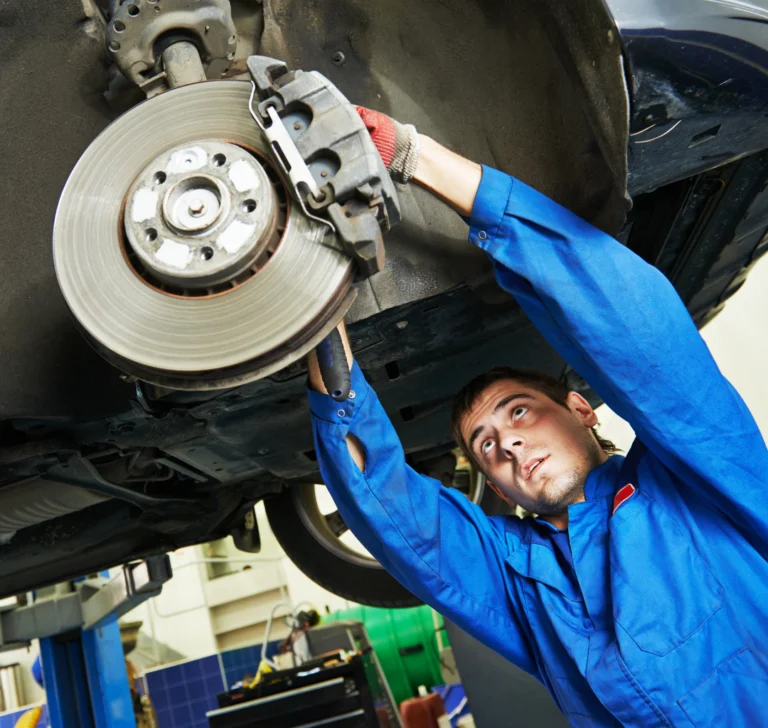
Brake Safety Week 2025 will spotlight brake drums and rotors, which, according to the CVSA, can compromise braking effectiveness and may even detach from the vehicle, potentially causing serious damage or injury.
In line with this week of inspections, the digital platform Overdrive has shared a list of the top 10 states with the highest number of brake-related violations, underscoring the importance of Brake Safety Week within the trucking industry.

States with the most brake violations in 2024
This list, compiled with 2024 data by Overdrive, reveals the current state of road safety in the U.S. trucking industry. With North Dakota leading at 30.1% of brake-related violations, here are the top 10 states:
- North Dakota – 30.1%
- Texas – 23.5%
- Utah – 21.5%
- Wyoming – 20.4%
- Oklahoma – 19.8%
- California – 19.3%
- Maine – 19.1%
- Minnesota – 19.1%
- Idaho – 18.9%
- Vermont – 18.4%
The national outlook on brake-related violations in 2024 shows some shifts compared to previous years. However, North Dakota remains at the top of the list for the most violations due to sudden braking, while Texas and Utah have climbed to the second and third positions, according to Overdrive.

Key areas of inspection during Brake Safety Week
While this year’s campaign will focus specifically on brake drums and rotors, the CVSA’s inspections will, as usual, cover all systems of trucks and trailers.
The key inspection areas, according to CVSA, will include:
- Brake pads and shoes – proper thickness and even wear.
- Air brake systems – compressors, reservoirs, hoses, and valves.
- Hydraulic brake fluid and lines – correct fluid levels and absence of leaks.
- Brake drums and rotors – checked for cracks, warping, and structural damage.
- Slack adjusters – proper positioning and operation.
- Brake warning systems – including dashboard lights, indicators, and audible alarms.
- Documentation – medical certificates, valid CDL, updated ELDs, permits, etc.
Although surprise inspections conducted in April showed that nearly 90% of trucks had no out-of-service brake violations, 8% did have issues related to drums or rotors, Overdrive reported. For this reason, it is crucial that drivers and carriers stay prepared for such inspections—especially in an environment that is becoming increasingly demanding for the trucking industry.

U.S. 250th anniversary celebrations take to the rails
Commemorative locomotives take the rails for United States’ 250th anniversary

In brief: rail crossing safety, California autonomous trucks, and CDL laws
From rail crossing safety to autonomous trucks and CDL laws, these are the key U.S. updates in transportation.

USDOT drives logistics hubs through the Regional Infrastructure Accelerators (RIA) program
USDOT strengthens its logistics hubs strategy through the Regional Infrastructure Accelerators (RIA) program, designed to unlock projects, enhance intermodal connectivity, and accelerate critical infrastructure for freight transportation across the United States.

Controlling road rage: a guide for truck drivers
The three key steps to help truck drivers control road rage.

New identification process for the Drug and Alcohol Clearinghouse
The FMCSA has begun implementing new identity verification requirements for the Drug and Alcohol Clearinghouse.

OPEC: What the United Arab Emirates Exit Means for U.S. Fuel Costs and Logistics
The departure of the United Arab Emirates from the Organization of the Petroleum Exporting Countries is reshaping the global oil market, introducing price volatility and creating new challenges for diesel costs, freight operations, and fleet planning across the United States.