ATRI published its annual list of the most congested highways, details here.
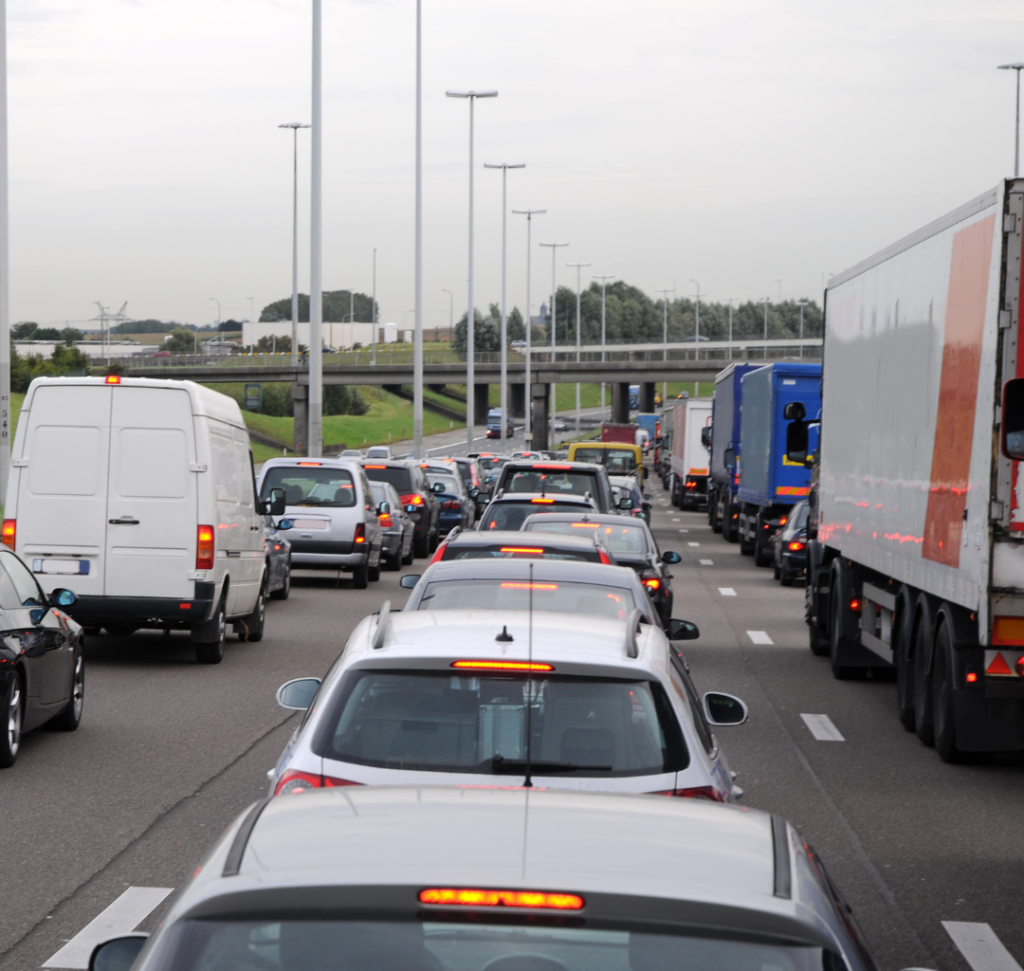
The American Transportation Research Institute (ATRI) recently released its 13th annual list of the most congested highways, bottlenecks, for trucks in the United States. Prominent states included Chicago, Atlanta, and Houston, making multiple appearances.
The list evaluates congestion at over 325 points on the national highway network using GPS data from freight trucks. This analysis employs custom software applications and methods, along with extensive truck operation data, to classify congestion impact at each location. ATRI’s truck GPS data also supports various state and federal initiatives for freight mobility. The list comprises the 100 most congested points, yet ATRI continually monitors over 325 critical freight transportation points.

Top 10 most congested highways
For the sixth consecutive year, New Jersey tops the list as the most congested bottleneck in the country. The top 10 highways on the 2024 list are:
- Fort Lee – I-95 on State Route 4
- Chicago – I-294 on I-290/I-88
- Chicago – I-55 I-55
- Houston – I-45 on I-69/US 59
- Atlanta – I-285 on I-85 (North)
- Atlanta – I-20 on I-285 (West) I-20 on I-285 (West)
- Los Angeles – SR 60 on SR 57
- Houston – I-10 on I-45
- Atlanta – I-285 on SR 400
- Nashville – I-24/I-40 on I-440 (East)
This year’s list includes familiar highways along with some newcomers to the top 10, such as Chicago’s I-55, not even listed in 2023, Houston’s I-10/I-45, and Atlanta’s I-285/State Route 400. Houston leads with nine entries in the top 100, followed by Atlanta with eight, Chicago with six, and Washington D.C. with five.
ATRI’s analysis, based on 2023 data, indicates worsening traffic conditions, partly attributed to construction zones due to infrastructure investment. The average truck speed during peak hours decreased by four percent compared to the previous year, reaching 34.4 MPH, while at the top 10 congestion points, the speed was 28.5 MPH.
ATA President and CEO Chris Spear noted that national highway congestion adds $95 billion to freight transportation costs annually and generates 69 million metric tons of excess carbon emissions each year. He emphasized the need to invest infrastructure funds more efficiently to enhance road safety, protect the environment, and facilitate interstate commerce.

Jerome Powell under investigation as tensions between Trump and the Fed escalate
The investigation into Powell has raised global concerns over a potential threat to the independence of the U.S. central bank. In the new episode of

Road Alert: 25 States Under Extreme Driving Conditions
Snow, ice, strong winds, and low visibility are keeping major highways under active travel advisories. The alert now affects 25 states and calls for extra caution, especially among truck drivers and freight carriers operating along key corridors.

Human Trafficking: A Nationwide Call to Action on America’s Roads
Human trafficking is the focus of a nationwide awareness week aimed at educating truck drivers, motor carriers, law enforcement, and the public about human trafficking, how to spot the warning signs, and what to do if someone may be in danger.

TAA Compliance: When Safety Complaints Turn Into Six-Figure Losses
STAA compliance is no longer a technical detail for fleet owners—it is a financial, legal, and insurance exposure. A recent enforcement action in Texas shows how mishandling safety complaints can lead to termination claims, retaliation findings, and six-figure penalties, and what carriers must do to avoid becoming the next case

U.S. labor market raises red flags on Wall Street
The U.S. labor market closed 2025 with clear signs of weakening, as evidenced by the latest employment data released in December. In the latest episode

DOT finds half of North Carolina CDLs were issued illegally
The DOT warns that half of North Carolina’s CDL licenses are irregular after a federal audit uncovered serious compliance failures. The findings directly affect truckers, fleets, and transportation companies, raising urgent questions about road safety, legal operations, and the future of the trucking industry.