The associations support the bipartisan, bicameral Organized Retail Organized Crime Act to combat cargo theft.
Various stakeholders in the freight transportation sector have reiterated their call to the U.S. Congress to promote legislation that effectively addresses the persistent problem of cargo theft in the supply chain.
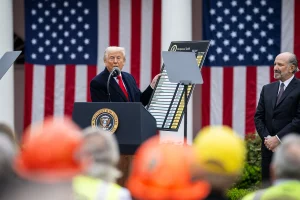
During a roundtable held on April 29 in Congress, Bob Costello, Chief Economist of the American Trucking Associations (ATA), emphasized that nearly all trucking companies are directly or indirectly harmed by theft. Moreover, these crimes disrupt the supply chain and create occupational hazards.
The ATA is among the associations that support the bipartisan and bicameral Combating Organized Retail Crime Act, which aims to fight the systematic theft of goods through a multi-agency task force. This initiative responds to a longstanding issue that affects both the retail and freight sectors, which suffer significant economic and logistical losses due to these criminal activities.
The legislation is spearheaded in the Senate by Chuck Grassley and Catherine Cortez Masto, who warned about the increasing use of digital platforms by organized criminal networks. The bill proposes the creation of a Coordination Center within the Department of Homeland Security.

Rising cargo theft and how to identify it
Cargo theft is a growing problem across the United States. A 2024 report by Verisk CargoNet identified five states as the most affected by this crime: California, Texas, Florida, Illinois, and Georgia. In response, some state legislatures are taking action to combat cargo theft.
A notable example is the Arkansas legislature, which recently passed a package of laws against organized retail crime. This move responds to a concerning 27% increase in cargo thefts in the state, a trend that poses a serious economic threat. The initiative highlights the importance of collaboration among lawmakers, industry, and authorities to effectively address the issue.
According to the FBI, there are four different types of cargo theft:
- Direct cargo theft: This involves physically stealing cargo from its current location (directly from the truck or warehouse).
- Strategic cargo theft: Refers to thieves using deceptive methods such as fake documentation to commit the theft.
- Cyber cargo theft: One of the most common types today, where thieves use cyberattacks to steal cargo. Attacks often involve phishing emails that install Trojan malware, giving criminals access to company systems and confidential data.
- Pilferage theft: Criminals alter the bill of lading and steal small amounts from the truck.

Working together to address the cargo theft problem in the U.S.
Cargo theft has become an increasing concern for the transportation and logistics industry, not only due to its economic impact but also due to the growing sophistication of criminals. Current threats include complex scams such as fake intermediaries, fictitious trucking companies, and highly organized criminal networks that operate with precision and strategy, making human error a secondary cause.
In light of this situation, it is essential for companies in the sector to adopt a comprehensive security approach. This includes investing in tracking technologies, strengthening the verification processes for logistics partners, and promoting greater cooperation between the private sector and authorities.
However, joint efforts to develop legislation that protects both businesses and their drivers are of great interest to the freight transportation industry. In this context, the bipartisan and bicameral Combating Organized Retail Crime Act has gained the support of trucking associations that seek to put an end to a problem that has increasingly affected the sector in recent years.

U.S. labor market raises red flags on Wall Street
The U.S. labor market closed 2025 with clear signs of weakening, as evidenced by the latest employment data released in December. In the latest episode

DOT finds half of North Carolina CDLs were issued illegally
The DOT warns that half of North Carolina’s CDL licenses are irregular after a federal audit uncovered serious compliance failures. The findings directly affect truckers, fleets, and transportation companies, raising urgent questions about road safety, legal operations, and the future of the trucking industry.

California’s Unhealthy Air: Impacts on Trucking and Freight
Unhealthy Air Quality in California: What Repeated Pollution Alerts Mean for Trucking and Freight Operations

Global Road Freight on Track to Hit USD 5 Trillion by 2033
Global Road Freight on Track to Hit USD 5 Trillion by 2033 as e-commerce growth, supply chain restructuring, and technology adoption accelerate demand for road-based cargo transport worldwide.

California misses DOT deadline risking $160 million in federal funding
The state of California has reached the deadline set by the DOT to take action regarding the situation involving the number of non-domiciled CDLs issued

Health on Wheels: How to Prevent the Most Common Conditions on the Road
Health on wheels matters for anyone who spends long hours on the road. How to prevent the most common physical and mental conditions and maintain healthier routines while working behind the wheel.