When a tsunami warning is issued, acting quickly and knowledgeably can save lives.
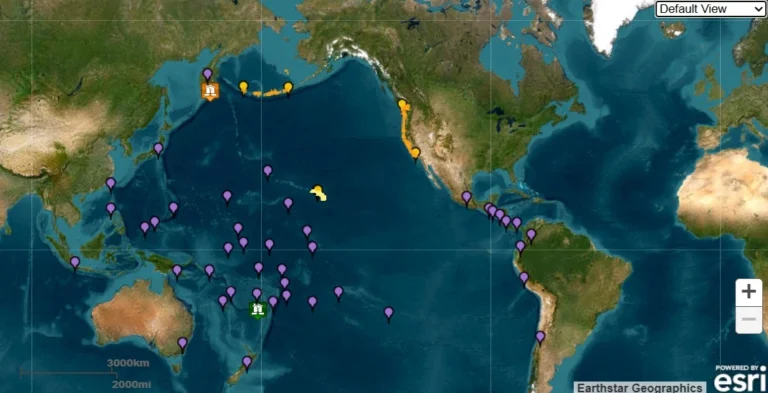
On July 29, a magnitude 8.8 earthquake —the sixth largest ever recorded— struck Russia. As a result of the powerful quake, tsunami warnings were issued in several countries across the Pacific Ocean. Although many of these alerts have since been lifted, the U.S. National Weather Service urged residents of coastal areas to remain vigilant for at least 24 hours, as waves continue to be observed persistently.
The first tsunami waves hit the coasts of Russia and Japan, where nearly two million people were evacuated as a precaution. Later that night, the phenomenon also reached the U.S. coastline, affecting parts of Hawaii, California, Oregon, Washington, and Alaska.
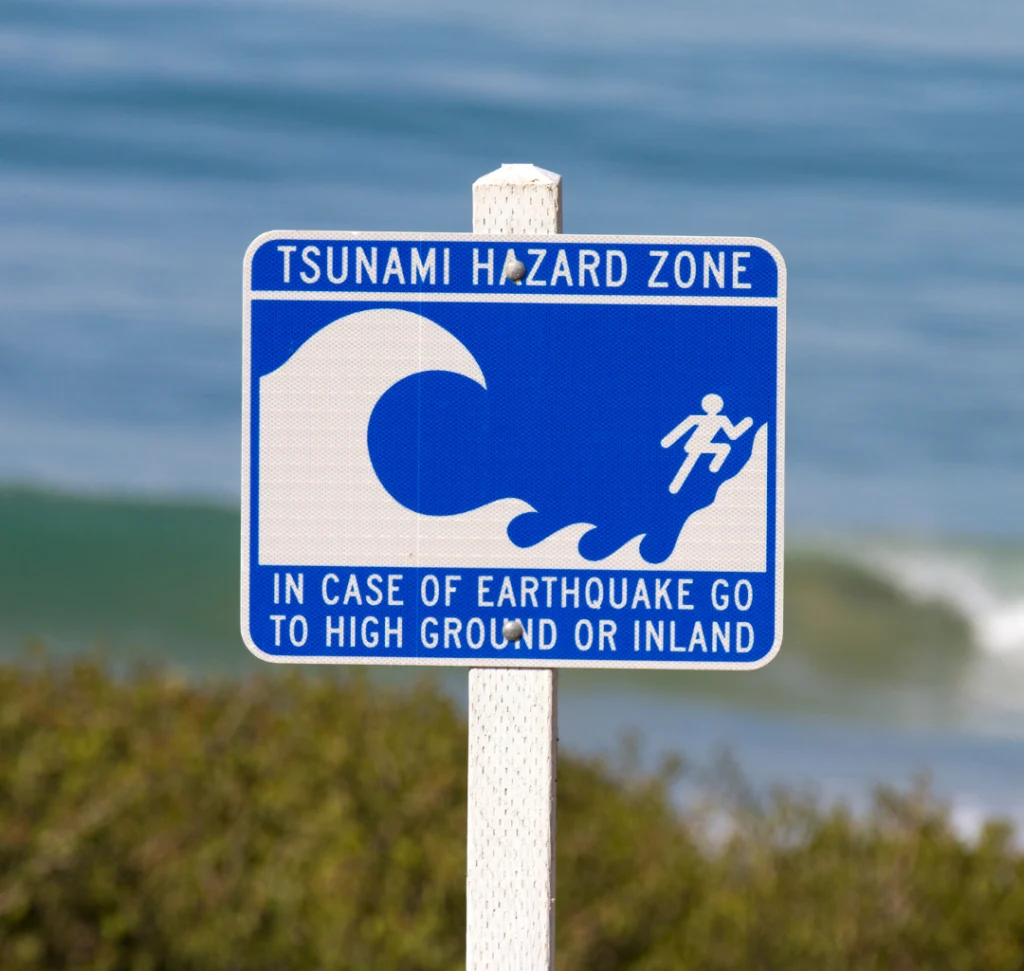
When a tsunami warning is issued, acting quickly and knowledgeably can save lives. These natural events —usually triggered by undersea earthquakes— can generate powerful waves that reach coastal areas within minutes or hours. Below are key recommendations to help you stay safe.

How to Stay Safe During a Tsunami Alert
1. Stay Informed
Follow official sources such as news broadcasts, radio, television, and verified social media accounts to stay updated. Civil Protection, Tsunami Warning Centers, or national weather services are reliable sources in these situations.
2. Act Quickly
Evacuate as soon as local or national authorities instruct you to. Move to higher ground or inland. Once evacuated, do not return until the proper authorities confirm it is safe to do so. The first waves are not always the most destructive; additional waves may arrive hours after the initial event.
3. Have an Emergency Plan
Know the evacuation routes and identify safe zones in your area. Prepare an emergency kit with water, non-perishable food, a flashlight, battery-powered radio, medications, and important documents.

During the alert
- Avoid beaches and rivers near the coast.
- Stay constantly informed.
- Assist vulnerable individuals: children, the elderly, and people with disabilities should receive priority help during evacuation.
- Know your local evacuation routes.
- Choose a safe shelter in elevated terrain or far from the coast.
- Have emergency supplies ready.
After the tsunami
- Follow instructions from local authorities.
- Avoid flooded areas and damaged roads.
- Watch out for falling debris and unstable buildings.
- Stay away from floodwater, which may be contaminated.
- Use text messages or social media to contact loved ones.
- Take photos of material damage for insurance claims.

Remember: preparation and quick response are essential when facing a tsunami. Don’t underestimate the signs—act calmly and decisively.
Follow tsunami alerts in real time:
- National Tsunami Warning Center (U.S.): https://tsunami.gov
- NOAA Tsunami Event Map: https://tsunami.gov/events-map.html
- Pacific Tsunami Warning Center: https://weather.gov/ptwc/
- Global Tsunami Monitoring (UNESCO IOC): https://tsunami-monitoring.unesco.org

40 major U.S. airports to see flight reductions due to government shutdown
40 U.S. airports, including those in New York, Los Angeles, and Chicago, will see flight reductions starting November 7 due to the government shutdown. 40

DOT Medical Card: Keeping Medical Certification Up to Date
Keeping your DOT Medical Card current is essential for both drivers and fleet operations.
Brake Safety Week 2025 results: almost 85% of commercial vehicles had no violations
Results of Brake Safety Week, organized jointly by the Commercial Vehicle Safety Alliance (CVSA) and the Department of Transportation, have been published. Results of Brake

UPS Crash in Kentucky: The Critical Role of Drivers and Dashcams
The UPS crash in Kentucky highlighted how truck drivers often become first witnesses to major incidents, with dashcam footage providing essential evidence for investigators, fleet managers, and insurers

The 2025 Capitol Christmas Tree tour kicks off by the hand of Knight-Swift
The nearly 3,000-mile journey of the U.S. Capitol Christmas Tree began with a special celebration at the Nevada Day Parade in Carson City. The month

A new study links traffic accidents to violations of the ELP regulation
A new study analyzed the relationship between traffic accidents and drivers who violate the English Language Proficiency (ELP) regulation. A new study analyzed the relationship