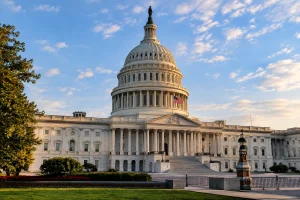
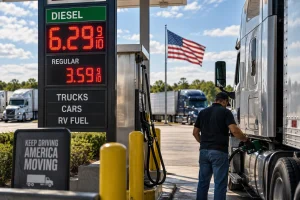
A U.S. government shutdown began a shutdown on October 1, 2025, but the Department of Transportation released its operational plan.
The U.S. government shutdown began on October 1, 2025, due to a lack of funding agreement between Congress and the White House. The shutdown, which would affect a large portion of the public administration, could last indefinitely, as a solution has yet to be determined.
According to the Congressional Budget Office, around 750,000 federal workers would be suspended if no agreement is reached. Among them are more than 12,000 employees from the Department of Transportation (DOT), who could face job disruptions if the shutdown proceeds.
Department of Transportation action plan for government shutdown
On September 30, the Department of Transportation released its operational plan in the event of a shutdown. Although a significant portion of its staff will be affected, certain sectors and agencies within the DOT will be able to continue their normal operations since they are funded by sources other than annual appropriations.
The Federal Motor Carrier Safety Administration (FMCSA), responsible for regulating the road transportation industry, will not be severely impacted, according to the DOT. With 1,084 employees, 21 of whom will be inactive under the Deferred Compensation Program, the agency will continue operating with funds from the Highway Trust Fund. Additionally, its ability to continue functioning during the shutdown is supported by resources obtained from licensing fees, insurance, and other transportation safety-related programs.
The Federal Highway Administration (FHWA), which has 2,268 employees on duty, will also remain unaffected and continue with its normal operations, with no anticipated furloughs. This agency, which oversees road infrastructure projects, has sufficient resources to fund reimbursements to states for several months.
Finally, the National Highway Traffic Safety Administration (NHTSA), responsible for vehicle safety, will also continue its activities. Its 574 employees will remain on the job, with funding guaranteed by existing funds and the Highway Trust Fund.
Impact on other transportation sectors
While road transportation and infrastructure sectors are relatively protected, other areas of the DOT will experience deeper cuts:
- Federal Aviation Administration (FAA): More than 11,000 employees will be furloughed, although air traffic controllers will continue to work without pay. Ground inspections will continue, but licenses and other programs will be severely impacted.
- Federal Railroad Administration (FRA): Similar to the FAA, the FRA will continue accident investigations and inspections, but other regulatory and research functions will be suspended. However, programs funded by multi-year appropriations will continue without interruption.
How long will the shutdown last?
This new government shutdown could last several days or even weeks, depending on whether Congress and the White House can reach an agreement on the budget. The lack of funding affects not only federal workers but also the operations of key agencies that ensure the safety and functionality of the country’s transportation infrastructure. Meanwhile, the Department of Transportation assures that vital functions, particularly those that protect life and property, will continue as normal.

What Is the Difference Between Class A, B, and C Licenses?
Commercial licenses are required to operate large or specialized vehicles; learn about the differences.

The Perfect Road Trip Playlist for Truck Drivers in June
Whether you’re crossing highways, desert routes, late-night roads, or just taking a short trip, the best companion on a road trip will always be a good playlist.

From Alcatraz to Modern Prisons: How Supply Trucks Operate Behind Maximum-Security Walls
Maximum-security prisons depend on highly controlled logistics networks to receive food, water, medicine, fuel, equipment and other essential supplies. Since Donald Trump floated the idea of reopening Alcatraz, one question has resurfaced: How are these facilities supplied, and what protocols must truck drivers and vendors follow to gain access?

Oakland’s New Speed Cameras Generate 82,000 Tickets in Just One Month
The cameras had been issuing warnings since January 14, 2026, and officially began issuing speeding tickets on March 15, 2026.

How Traffic Congestion Is Forcing Fleets to Rethink Operations
Traffic congestion is redefining freight transportation operations, what are fleets doing to survive?

Ten Ways to Improve Truck Fuel Efficiency and Reduce Costs
How better fuel efficiency can help truck drivers and fleets lower operating expenses and improve profitability
All content and original artwork, unless otherwise noted, is protected by copyright. Saint George uses certain images under license from various licensing vendors for this purpose. Any unauthorized commercial reproduction or distribution of copyrighted materials is prohibited.