As winter approaches across the United States, trucking companies strengthen their maintenance, safety, and efficiency protocols to ensure uninterrupted freight movement. Preparing for harsh weather is essential for drivers, fleets, and logistics operators to maintain performance and protect both cargo and personnel.
A Season of Challenges on the Road
Every winter, the U.S. trucking industry faces one of its toughest tests. From icy highways in the Midwest to heavy snowfalls in the Northeast and unpredictable storms in the Rockies, severe weather can disrupt supply chains and threaten driver safety. The months between November and March demand meticulous preparation from logistics managers and truck operators alike.
According to industry experts, preventive maintenance, route optimization, and driver training are the three pillars of winter readiness. Trucking companies that invest in preparation not only minimize downtime but also gain a competitive advantage by maintaining reliable service when others struggle.
Maintenance: Keeping Trucks Winter-Ready
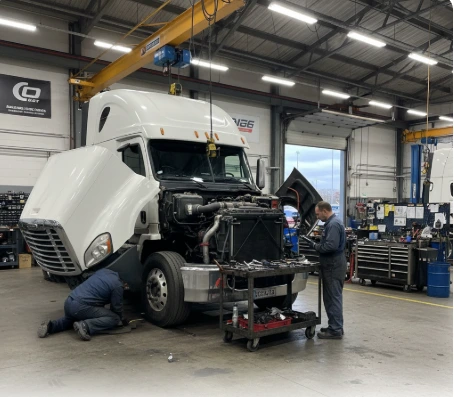
Preventive maintenance is the first and most critical step. Fleet managers conduct full inspections before temperatures drop, focusing on essential systems like:
Engine and battery health: Cold weather can reduce battery efficiency by up to 35%. Many companies replace older batteries and check alternators to avoid breakdowns in remote areas.
Tires and traction control: Winter tires or chains become mandatory in several states, including Colorado, Washington, and Oregon. Tire pressure is closely monitored since it drops with temperature changes.
Fuel and filters: Diesel engines are particularly vulnerable to gelling, a process where fuel thickens in low temperatures. Truck stops often supply anti-gel additives to prevent clogging and fuel-line freezing.
Heating and defrost systems: A well-functioning HVAC system ensures visibility and comfort. Drivers verify that defrosters and cabin heaters are operational before long hauls.
These proactive measures save time, reduce costs, and prevent accidents that can result from mechanical failure during snowstorms.

Safety: Training and Technology on the Road
Beyond machinery, the human factor remains vital. Winter driving requires additional skill and attention. Many carriers organize seasonal safety training, teaching drivers how to handle black ice, maintain safe braking distances, and use engine retarders effectively.
Modern fleets are also adopting telematics systems that track weather conditions, road temperature, and driver performance in real time. Sensors and GPS technology alert dispatchers to potential risks, while AI-driven systems can suggest safer alternate routes during snow or ice alerts.
Emergency kits are standard in all trucks, containing blankets, first aid supplies, extra fuel, and communication devices. The goal: to ensure that drivers are self-sufficient in case they become stranded during blizzards or road closures.
Efficiency: Logistics Under Pressure
Cold weather not only affects vehicles but also the entire logistics chain. Ports, warehouses, and distribution hubs may experience delays. To counteract this, companies adopt dynamic scheduling and predictive analytics to anticipate disruptions.
Fuel efficiency is another major concern. Trucks consume more fuel in winter due to idling, longer warm-up times, and heavier loads caused by snow or ice accumulation. To reduce waste, fleets use idle reduction technologies such as auxiliary power units (APUs) and automatic engine shut-off systems.
Carriers working across multiple states also ensure compliance with regional regulations—such as chain laws and weight restrictions—which vary by jurisdiction and can change daily depending on weather alerts.
A Test of Resilience
The winter season is a true test of resilience for America’s trucking industry. While drivers battle freezing temperatures and hazardous conditions, the country’s economy depends on their ability to deliver goods safely and on time. Behind every shipment lies a network of professionals who plan, monitor, and adapt to nature’s toughest challenges.
In the end, winter preparation is not just about trucks—it’s about keeping America’s lifelines open. Through maintenance, safety, and efficiency, the industry proves once again that no matter how cold the season gets, the wheels of the U.S. economy never stop turning.

Jerome Powell under investigation as tensions between Trump and the Fed escalate
The investigation into Powell has raised global concerns over a potential threat to the independence of the U.S. central bank. In the new episode of

Road Alert: 25 States Under Extreme Driving Conditions
Snow, ice, strong winds, and low visibility are keeping major highways under active travel advisories. The alert now affects 25 states and calls for extra caution, especially among truck drivers and freight carriers operating along key corridors.

Human Trafficking: A Nationwide Call to Action on America’s Roads
Human trafficking is the focus of a nationwide awareness week aimed at educating truck drivers, motor carriers, law enforcement, and the public about human trafficking, how to spot the warning signs, and what to do if someone may be in danger.

TAA Compliance: When Safety Complaints Turn Into Six-Figure Losses
STAA compliance is no longer a technical detail for fleet owners—it is a financial, legal, and insurance exposure. A recent enforcement action in Texas shows how mishandling safety complaints can lead to termination claims, retaliation findings, and six-figure penalties, and what carriers must do to avoid becoming the next case

U.S. labor market raises red flags on Wall Street
The U.S. labor market closed 2025 with clear signs of weakening, as evidenced by the latest employment data released in December. In the latest episode

DOT finds half of North Carolina CDLs were issued illegally
The DOT warns that half of North Carolina’s CDL licenses are irregular after a federal audit uncovered serious compliance failures. The findings directly affect truckers, fleets, and transportation companies, raising urgent questions about road safety, legal operations, and the future of the trucking industry.