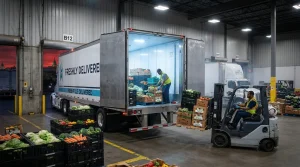
The transportation sector is evolving in ways that create significant opportunity.
By Bob Dilliplaine, Industry Expert at Orange Commercial Credit
If you’re looking for a career that combines independence, steady income potential, and long-term demand, now may be the perfect time to enter the trucking industry. Whether you’re considering driving as a company employee or taking the leap as an owner-operator, the transportation sector is evolving in ways that create significant opportunity.
The Road Ahead: What Trucking Will Look Like in 10–20 Years
While headlines often highlight the rise of autonomous vehicles, the reality is far more nuanced. Driverless trucks may eventually play a larger role in long-haul, low-complexity freight routes—but we’re still decades away from a truly autonomous supply chain. Human drivers will remain critical, especially in regional and last-mile delivery, hazardous freight, refrigerated loads, and time-sensitive routes.
As e-commerce and consumer expectations continue to grow, so will the need for flexible, skilled drivers. The Bureau of Labor Statistics estimates trucking will remain one of the most in-demand occupations, driven by a surge in logistics and the retirement of baby boomer drivers. In fact, industry experts project a shortage of over 160,000 drivers by 2030 if new talent doesn’t enter the field.
Why the Industry Needs You Now
The average age of a truck driver is currently in their mid-forties, and nearly a quarter of the workforce is nearing retirement. This demographic shift is creating unprecedented demand. With fewer younger workers entering the field, qualified drivers are becoming increasingly valuable.
Today’s driver shortage has real economic consequences. When freight can’t move efficiently, supply chains slow down, and shipping costs rise. Entering the industry now means you’ll have strong job security and the ability to negotiate competitive compensation.

Compensation: What to Expect as a Driver or Owner-Operator
As of 2025, the average salary for a company driver ranges from $55,000 to $85,000 annually, depending on experience, endorsements, and route types. Benefits often include health insurance, 401(k) plans, and paid time off.
Owner-operators, on the other hand, have the potential to earn $100,000 to $250,000+ per year—but this comes with greater responsibility. You’ll manage your own expenses, including fuel, maintenance, insurance, and factoring services. The upside? You get to build a business on your own terms.
Pros and Cons:
- Company Driver Pros: Predictable pay, lower risk, no equipment costs
- Company Driver Cons: Less flexibility, capped earnings
- Owner-Operator Pros: Higher income potential, business autonomy
- Owner-Operator Cons: Startup costs, more paperwork, fluctuating income

What About Autonomous Trucks?
Autonomous trucking is already being tested in controlled environments, but widespread adoption faces regulatory, technological, and infrastructure barriers. While these trucks may eventually reduce the number of long-haul drivers needed, they’re unlikely to replace humans entirely—especially in specialized or urban routes that require judgment and customer interaction.
Will autonomous trucks lower the cost of shipping? Over time, yes—but in the short term, implementation costs may increase rates. Human oversight, complex delivery environments, and public trust will continue to require skilled drivers, particularly in local and regional hauling.
Some Segments Will Remain Human-Driven
Specialized freight (e.g., hazmat, oversized loads, refrigerated cargo) and last-mile delivery will likely remain human-dominated for the foreseeable future. These segments demand more than GPS routing—they require experience, customer service, and compliance with tight delivery windows.

Final Thought
Getting into trucking today is not just about finding a job—it’s about securing a future. With industry demand on the rise, solid compensation, and opportunities for growth as an independent business owner, there’s never been a better time to start your journey.
—————————————————————————————————————————————————
About the Author:
Bob Dilliplaine is an industry expert with 25+ years of experience helping trucking companies boost revenue through factoring. As a trusted advisor with Orange Commercial Credit, Bob understands the unique challenges faced by trucking businesses and is committed to providing financial solutions that keep your wheels—and profits—turning.
Partnering for Your Success
Saint George Insurance Brokerage, Inc. has partnered with Orange Commercial Credit (OCC) to provide trucking businesses with the cash flow they need to grow. OCC has funded over 5,000 companies since 1979, offering fast, flexible freight factoring solutions that let you say “yes” to more business.
Let’s talk:
Reach out to Bob Dilliplaine at 714-345-9654 or visit www.occfactor.com to learn how factoring can help you grow your trucking business without taking on debt.

4,000 Brake Inspections Led to Commercial Vehicles Being Removed from Service
The CVSA conducted inspections of commercial vehicles across North America as part of Brake Safety Day.

U.S. Bill Seeks to Create Federal Standards for Autonomous Trucks
As part of the BUILD America 250 Act, a comprehensive federal regulatory framework for the deployment of autonomous trucks in the United States has been proposed.

Freight: America’s New Push to Modernize Roads, Ports and Supply Chains
The U.S. Department of Transportation unveiled the 2026 National Freight Strategic Plan, a roadmap to upgrade a nearly seven-million-mile freight network that moves more than 54 million tons of goods every day. The announcement comes amid growing industrial activity, reshoring and mounting pressure on America’s logistics infrastructure.

World Cup 2026: The truckers are well insured and ready to be champions
The championship will turn US highways into a logistical hive of activity. A massive challenge that will require securing every truck and its cargo before the starting whistle. The numbers behind this huge business.

Can You Drive a Truck in the U.S. With a Mexican License?
Searches about Mexican CDL equivalents, trucking jobs and work permits in the United States are surging across Google, ChatGPT and other AI platforms. One of the most common questions among drivers and migrants is whether a Mexican commercial license is valid in the U.S. The short answer is yes — but only under specific conditions.

What Insurance Does an Owner-Operator Need in the United States?
The most important insurance coverages every owner-operator should consider to operate with greater safety and peace of mind in the United States.