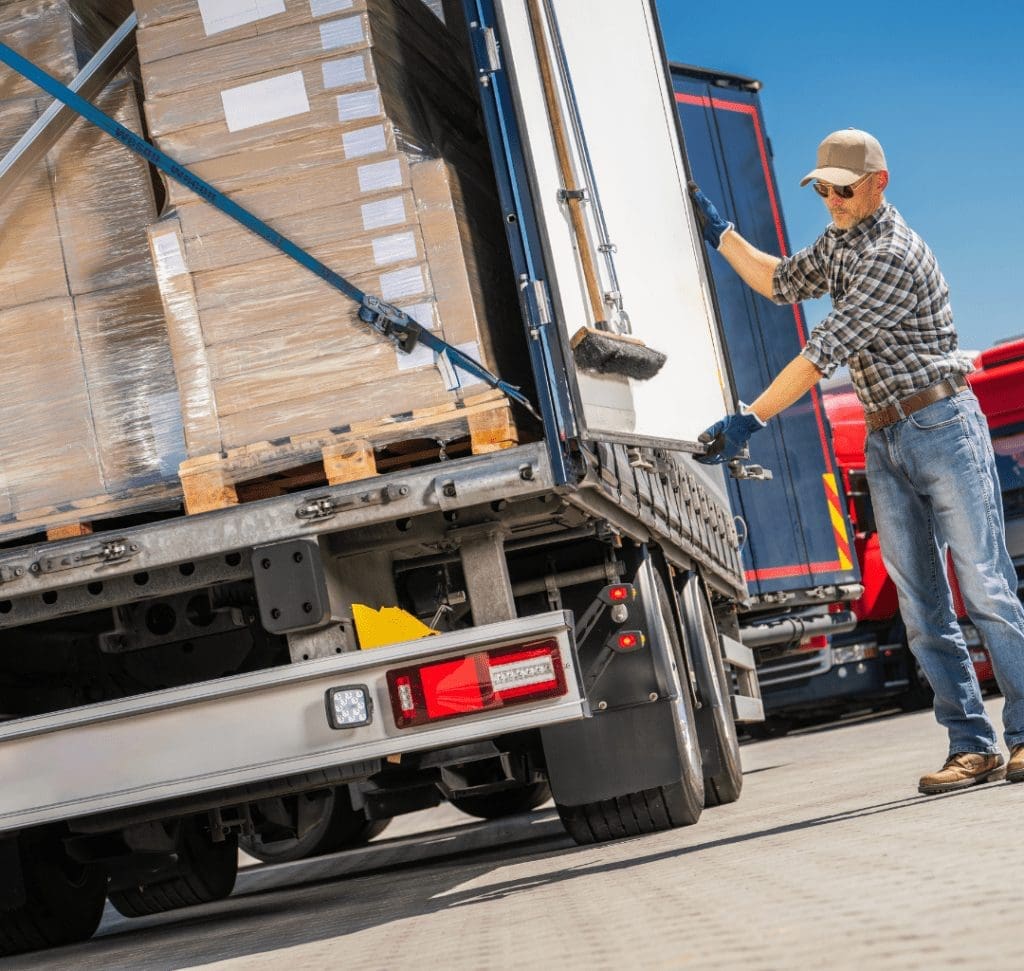
On June 6th, the National Secure Your Load Day is commemorated as a safety campaign about the risks of unsecured loads
An unsecured load poses a risk to both the driver and other vehicles sharing the road. Annually, on June 6th, the National Secure Your Load Day is commemorated, a safety campaign founded in 2004 by Washington resident Robin Abel. After endangering her life and her daughter’s due to an unsecured load, Abel decided to raise awareness about the importance of always transporting cargo safely.
This national day serves as a significant reminder of the safety required for road travel and the responsibility each driver holds for their vehicles and the cargo they carry. Connecticut Department of Transportation Deputy Commissioner Laoise King reminds drivers that taking simple steps to secure loads can prevent accidents and even save lives, as even the smallest item can cause fatal accidents. Spreading the importance of load securing and practicing safety measures is an ongoing task.

According to statistics provided by the Washington State Department of Ecology, unsecured loads cause over 300 accidents annually in Washington and account for up to 40% of roadside litter. This statistic remains consistent year after year, with these collisions resulting in 16 injuries and tragically one death in 2023.
In 2023, the Washington State Patrol (WSP) and commercial vehicle enforcement officers stopped over 5,000 motorists for improperly secured loads. Fines for failing to secure loads range from $50 to $5,000, and drivers whose unsecured loads cause damage could face legal action and jail time.
To prevent accidents, the WSP emphasizes the importance of properly securing items in vehicles, including the use of tarps, ratchet straps, and cargo nets. As part of a campaign, the Department of Ecology is funding the distribution of load securing equipment and products for safe cargo securing.
How do I know if my load is properly secured?
An unsecured load can shift and cause serious accidents. Properly securing a load requires knowing the maximum load capacity that can be applied to a piece of equipment (WLL) and the strength of load securing devices.
The FMCSA proposes the following method for calculating the necessary control for a load: the total amount of cargo multiplied by 0.5G, meaning for a load of 10,000 pounds, 5,000 pounds of securing would be necessary to control the load.

Load securing requirements
1. Immobilize
Cargo must be securely immobilized by appropriate strength structures (bracing timbers, shoring bars, lashings).
2. Restrain
Cargo items that can roll must be restrained using chocks, a cradle, or other equivalent means.
3. Prevent Shifting
Cargo must be placed in direct contact with each other or prevented from shifting towards one another.
The FMCSA has established specific securing requirements for different types of goods; becoming familiar with this information can prevent accidents and save lives. When transporting goods, it is crucial to take responsibility for securing the load through appropriate safety measures. On this National Secure Your Load Day, raise awareness about the risks of driving with loose loads.


What Truck Drivers Love Most About Their Job
Truck driving isn’t just a job; for many, it’s a calling that offers a unique blend of freedom, adventure, and independence. By Bob Dilliplaine, Industry

Frozen Roads After Bomb Cyclone: Black Ice, Record Snow and High Risk for Trucks
Frozen roads continue to disrupt freight transportation following the impact of a powerful bomb cyclone, leaving behind black ice, highway shutdowns, power outages, and dangerous winter driving conditions stretching from the Gulf Coast to New England.

Lunar New Year 2026: Ancient Traditions, Renewed Energy, and Massive Celebrations
Lunar New Year 2026 begins on February 17 under the sign of the Fire Horse and is marked by spiritual rituals, family reunions, and large-scale celebrations in both China and the United States, especially in California.

Freedom 250 Grand Prix: How Logistics and Transportation Will Power the Race in Washington
The first-ever IndyCar street race in Washington, D.C., scheduled for August 21–23, will headline the United States’ 250th anniversary celebrations — and it will trigger a massive transportation, freight, and urban logistics operation behind the scenes.

Groundhog Day: What It Means for Trucking When “Phil Sees His Shadow”
The forecast from America’s most famous groundhog is calling for more winter — and that’s an important signal for the trucking industry and cold-season route planning

Love on the open road: the best dating apps for truckers
If you’re looking for someone to go the long haul with, here are the best dating apps for truck drivers. They say love is everywhere…