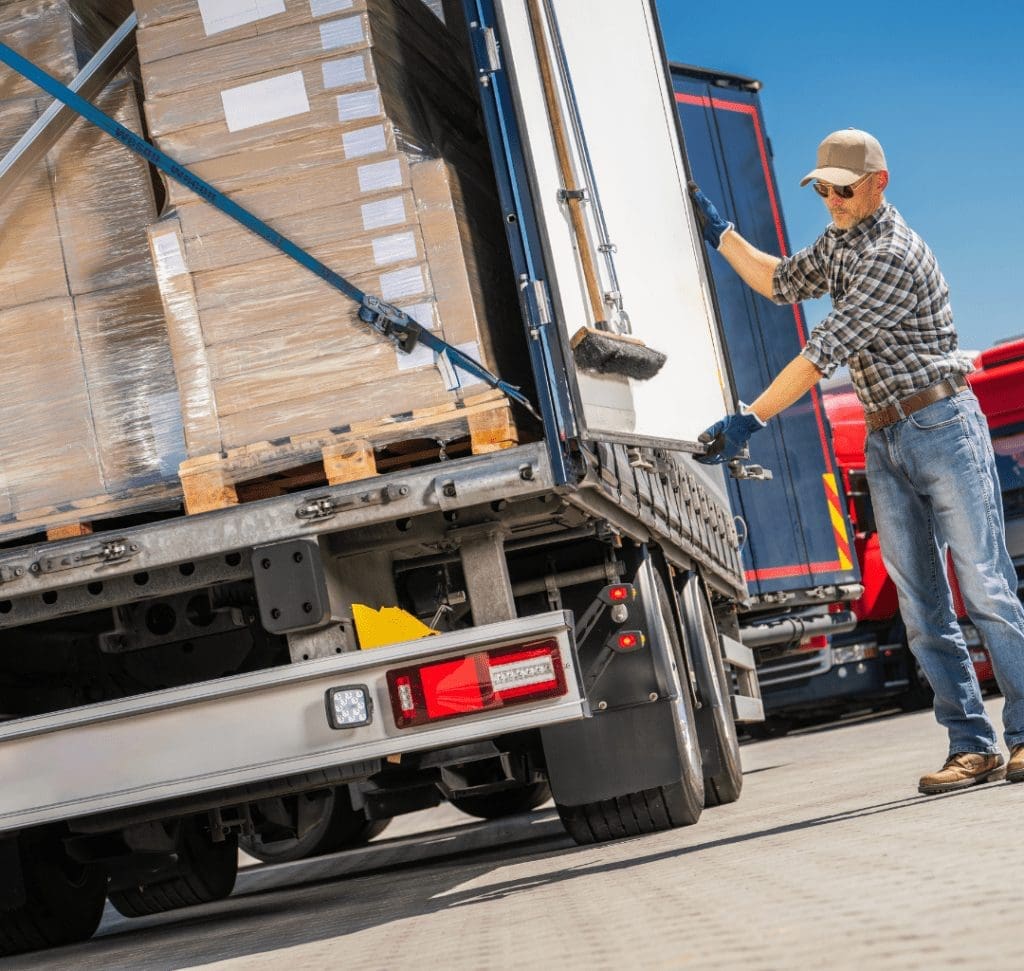
On June 6th, the National Secure Your Load Day is commemorated as a safety campaign about the risks of unsecured loads
An unsecured load poses a risk to both the driver and other vehicles sharing the road. Annually, on June 6th, the National Secure Your Load Day is commemorated, a safety campaign founded in 2004 by Washington resident Robin Abel. After endangering her life and her daughter’s due to an unsecured load, Abel decided to raise awareness about the importance of always transporting cargo safely.
This national day serves as a significant reminder of the safety required for road travel and the responsibility each driver holds for their vehicles and the cargo they carry. Connecticut Department of Transportation Deputy Commissioner Laoise King reminds drivers that taking simple steps to secure loads can prevent accidents and even save lives, as even the smallest item can cause fatal accidents. Spreading the importance of load securing and practicing safety measures is an ongoing task.

According to statistics provided by the Washington State Department of Ecology, unsecured loads cause over 300 accidents annually in Washington and account for up to 40% of roadside litter. This statistic remains consistent year after year, with these collisions resulting in 16 injuries and tragically one death in 2023.
In 2023, the Washington State Patrol (WSP) and commercial vehicle enforcement officers stopped over 5,000 motorists for improperly secured loads. Fines for failing to secure loads range from $50 to $5,000, and drivers whose unsecured loads cause damage could face legal action and jail time.
To prevent accidents, the WSP emphasizes the importance of properly securing items in vehicles, including the use of tarps, ratchet straps, and cargo nets. As part of a campaign, the Department of Ecology is funding the distribution of load securing equipment and products for safe cargo securing.
How do I know if my load is properly secured?
An unsecured load can shift and cause serious accidents. Properly securing a load requires knowing the maximum load capacity that can be applied to a piece of equipment (WLL) and the strength of load securing devices.
The FMCSA proposes the following method for calculating the necessary control for a load: the total amount of cargo multiplied by 0.5G, meaning for a load of 10,000 pounds, 5,000 pounds of securing would be necessary to control the load.

Load securing requirements
1. Immobilize
Cargo must be securely immobilized by appropriate strength structures (bracing timbers, shoring bars, lashings).
2. Restrain
Cargo items that can roll must be restrained using chocks, a cradle, or other equivalent means.
3. Prevent Shifting
Cargo must be placed in direct contact with each other or prevented from shifting towards one another.
The FMCSA has established specific securing requirements for different types of goods; becoming familiar with this information can prevent accidents and save lives. When transporting goods, it is crucial to take responsibility for securing the load through appropriate safety measures. On this National Secure Your Load Day, raise awareness about the risks of driving with loose loads.


California vs. Washington: regulatory dispute over trucks in the U.S.
California, the most populous state in the country, wants to remove diesel trucks from its roads. Washington wants exactly the opposite. In between, thousands of fleets are left unsure about which engine to buy.

Volvo Pushes Beyond Diesel with New Hydrogen Combustion Truck Trials
Volvo Trucks is once again taking the lead, beginning road tests with heavy trucks equipped with hydrogen combustion engines.

Trucker Fashion: A Revolution Born on the Road That Still Sets the Trend
Trucker fashion remains relevant due to its authenticity, its seamless integration into streetwear, and its reinterpretation by luxury brands, consolidating itself as a revolution born on the road that evolved from a work uniform into a global cultural symbol

North Dakota among states regaining non-domiciled CDL authority
North Dakota will reissue approximately 150 of the 526 CDLs and CLPs for non-resident drivers that were active during the FMCSA audit.

The Growing Threat of Chameleon Fleets
A CBS ‘60 Minutes’ investigation exposes the rise of ‘Chameleon Fleets’ in the U.S. trucking industry.

US transportation begins to show signs of recovery
With tonnage at record levels and rates on the rise, carriers are leading the expansion of the logistics market. If the forecasts hold true, years of uncertainty could be over.