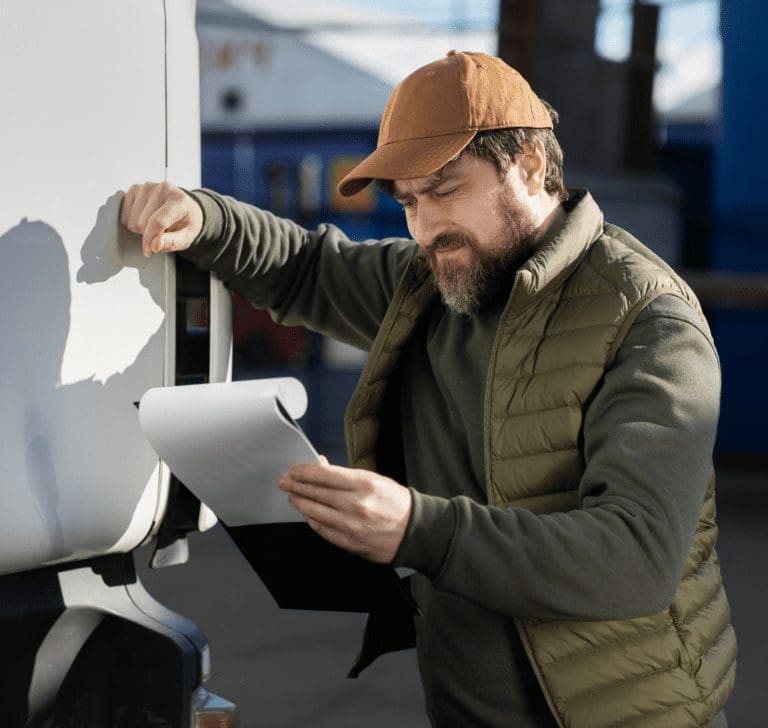
Truckers want higher incomes, but inflation means they are actually seeing similar or even reduced amounts in real terms
What do truck drivers need? A survey conducted by CCJ and Lytx on the needs of truck drivers demonstrates that despite challenges in the trucking industry and economic conditions affecting the prosperity of many sector businesses, over 60% of surveyed drivers are optimistic about their incomes for this year.
While 39% of respondents expect to maintain similar incomes to 2023 and 22% anticipate higher earnings, there is also a 39% segment forecasting lower earnings this year based on their miles and loads during the first five months. Despite the overall optimism, there remains a level of realism among respondents who have experienced the economic downturn in early 2024.
This optimism is evident among company drivers, whereas leased owner-operators are more pessimistic about seeing earnings increases this year. According to data shared by CCJ and Lytx, 52% anticipate earning less this year, compared to 32% of company drivers.

The role of inflation in truck drivers’ salaries
For many carriers, price competition appears to lead to a continual reduction in earnings that barely keeps pace with inflation. Employed regional drivers have mentioned receiving salary increases that are subsequently nullified by rising prices. Thus, although 60% of respondents express the need for higher incomes, inflation means they are actually seeing similar or even reduced amounts in real terms.
Despite recent moderation, inflation remains a concern for surveyed drivers, who are also aware of high transportation costs and their impact on incomes. With a 20% increase in fuel prices, rising transportation expenses, and declining wages, drivers face a complex dilemma.
In 2023, fleets with over 1,000 trucks paid the highest wages to drivers, reaching $0.877 per mile. In contrast, fleets with fewer than 26 trucks experienced a slight decline in wages compared to 2022, reflecting pressure from low freight rates. LTL drivers’ wages notably increased from 78.0 to 92.0 cents per mile, contributing to a 7.6% industry-wide wage increase, according to ATRI.

The current state of the transportation industry
CCJ reports that 47% of employed drivers have not received raises in the past two years, compared to 79% of leased drivers. Among drivers expecting higher earnings in 2023, 35% attribute this to more miles or loads, while 27% mention salary increases implemented by their employers.
The National Transportation Institute indicates that fleets are providing the largest salary increases to experienced drivers, reflecting a shift towards retaining seasoned drivers. Drivers cite compensation as the primary reason for difficulty in finding and keeping employment (69%), followed by respect and team environment (23%), and the ability to choose routes (22%).
However, inflation and current industry conditions are also significant factors influencing drivers’ salary perceptions. Despite potentially high salaries being offered, their real impact is mitigated by rising service costs and general economic volatility. This means that while salaries may appear generous initially, their purchasing power and stability are compromised by increased prices and market fluctuations in the transportation sector.

DOT Brings Freight Leaders Together to Reduce Cargo Delays
More than 54 million tons of goods move through the U.S. freight network every day. The DOT brought together over 100 industry leaders to reduce delays and logistics costs through its FLOW program

Pythons Spread to New Areas of Florida, Posing a Challenge for Trucking
The discovery of a new breeding population in Charlotte County, near I-75 and US-41, raises potential concerns for truck drivers, trailers, and logistics facilities across Florida. How these invasive snakes could hitch a ride in commercial vehicles.

Nevada’s Runaway Ramps Save Lives
Runaway ramps on highways help stop vehicles experiencing brake failure, saving lives on the road.

California Highway Patrol Inspections: What They Check on Commercial Trucks and How to Prepare
Learn what the California Highway Patrol checks on commercial trucks in California, including brakes, tires, documents, hours of service, and safety.

Indiana, the RV Capital of the World: The Business Behind America’s RV Industry
Indiana accounts for the vast majority of RV manufacturing in the United States. But behind the factories is a lesser-known business: delivering brand-new recreational vehicles to dealerships across the country. Who are the drivers making these trips, how does the delivery business work, and when is a commercial driver’s license (CDL) required?

Texas Warns of Flooded Roads as El Niño Approaches
The Texas Department of Transportation (TxDOT) is warning drivers about hidden dangers beneath floodwaters, penalties for ignoring road closures, and precautions truckers should take ahead of a potentially wetter and stormier 2026–2027 winter.