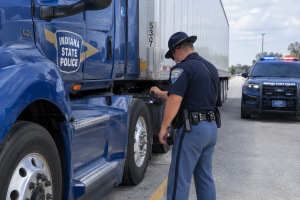
The Laredo Field Office of the U.S. Customs and Border Protection has announced a new requirement for dogs entering the country
The bond between truck drivers and their pets has been notable, with 40% choosing to have canine companions on their long journeys. Studies indicate that these animals not only reduce anxiety, depression, and stress, but also promote physical activity through daily walks, making them an ideal combination for truck drivers.
However, starting August 1st, a significant nationwide change will come into effect, particularly impacting truck drivers who travel across borders with their dogs. Since many truckers regularly cross into Canada or Mexico with their pets, these new requirements could significantly affect their routine.
The Laredo Field Office of the U.S. Customs and Border Protection has announced a new requirement set by the Centers for Disease Control and Prevention (CDC) aimed at strictly regulating dog imports. Donald Kusser, Director of Field Operations in Laredo, emphasizes that while this is a new CDC requirement, CBP agents and agricultural specialists will be responsible for ensuring compliance.

New requirements for dogs to enter the United States
The CDC has stipulated that truck drivers traveling internationally with their dogs must ensure compliance with the following requirements, according to the U.S. Department of Agriculture:
Compliance with CDC requirements: All dogs entering or returning to the United States must meet CDC’s updated standards. This includes service dogs and those born in the U.S.
Specific requirements: Dogs must be at least six months old, microchipped, healthy upon arrival, and accompanied by appropriate documentation such as the CDC’s dog import form.
USDA-CDC collaboration: USDA-accredited veterinarians will certify the health and travel history of traveling dogs, verifying and validating the required documentation.

CBP highlights that this new regulation aims to streamline and standardize the arrival process, encouraging travelers to use the CBP One mobile app to declare their pets in advance.
This initiative not only aims to protect public and animal health but also to expedite procedures at ports of entry. Truck drivers planning to travel with their pets should prepare thoroughly to avoid complications starting in August. Dogs that do not meet all entry criteria or lack accurate and valid documentation will be denied entry into the United States and repatriated at the importer’s expense. These regulations apply to all dogs, including service dogs and those born in the United States.

U.S. labor market raises red flags on Wall Street
The U.S. labor market closed 2025 with clear signs of weakening, as evidenced by the latest employment data released in December. In the latest episode

DOT finds half of North Carolina CDLs were issued illegally
The DOT warns that half of North Carolina’s CDL licenses are irregular after a federal audit uncovered serious compliance failures. The findings directly affect truckers, fleets, and transportation companies, raising urgent questions about road safety, legal operations, and the future of the trucking industry.

California’s Unhealthy Air: Impacts on Trucking and Freight
Unhealthy Air Quality in California: What Repeated Pollution Alerts Mean for Trucking and Freight Operations

Global Road Freight on Track to Hit USD 5 Trillion by 2033
Global Road Freight on Track to Hit USD 5 Trillion by 2033 as e-commerce growth, supply chain restructuring, and technology adoption accelerate demand for road-based cargo transport worldwide.

California misses DOT deadline risking $160 million in federal funding
The state of California has reached the deadline set by the DOT to take action regarding the situation involving the number of non-domiciled CDLs issued

Health on Wheels: How to Prevent the Most Common Conditions on the Road
Health on wheels matters for anyone who spends long hours on the road. How to prevent the most common physical and mental conditions and maintain healthier routines while working behind the wheel.