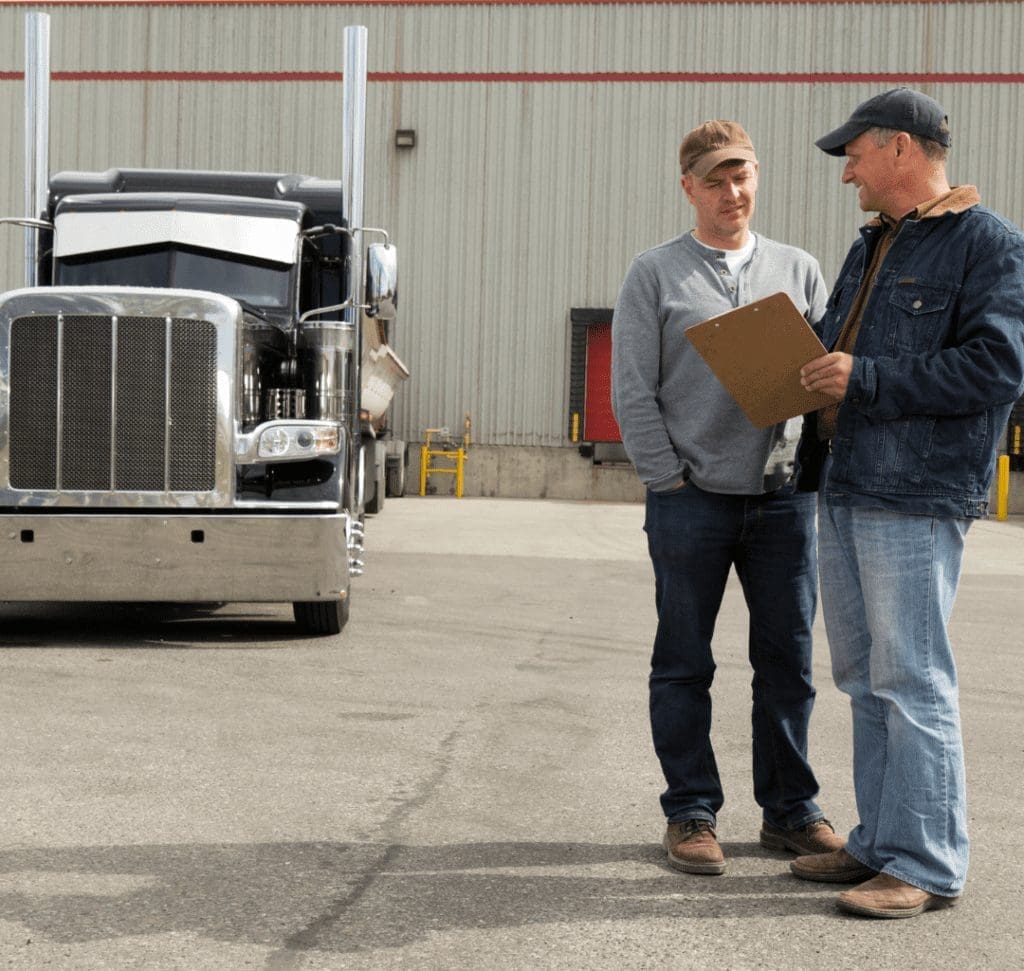
Driver retention remains a significant challenge in the road transport industry
Despite most truck drivers having long careers that can span decades in the road transport sector, in recent years the industry has faced a persistent challenge: driver retention. This issue predominantly affects new drivers, though it is also observed among some veterans.
The primary reason many drivers leave their fleets relates to money. According to a survey by CCJ Digital in collaboration with Lytx, 35% of drivers state they would switch jobs to drive for another fleet if offered a better salary. In addition to this primary motive, the survey revealed other aspects reflecting the genuine opinions of fleet-affiliated truckers.

Why do truckers decide to leave fleets?
The findings shared by CCJ Digital reflect truckers’ preferences and concerns in the road transport industry, along with desired changes. Therefore, this analysis examines responses related to fleet change or abandonment, uncovering crucial patterns and reasons the industry must address to enhance its drivers’ working conditions.
Salary emerges as the leading motive, with 35% of respondents selecting this option. However, a more personal reason takes second place. 23% indicates they would leave a trucking fleet if they feel their work is unappreciated by the company or the team environment.
This situation ties into seniority; many drivers believe a rookie trucker should not earn the same as someone with over a decade in the fleet, feeling undervalued as a result. Resulting in solutions propose by drivers: 23% mention they would increase salaries if they owned a fleet, while 21% suggest guaranteeing a minimum wage or implementing a mileage/load-based pay system.

The third reason for departure relates to the lack of work-life balance. Sixteen percent of surveyed truckers mentioned switching to a regional model for more time at home and a better balance between personal and professional life as sufficient reasons to consider changing fleets. Truckers’ workweeks can extend up to 70 hours, especially on interstate journeys.
In fourth place, at 13%, are outstanding health benefits and a 401k plan. Completing the top five reasons are rewards for veteran drivers with new trucks and route preferences, at 10%. However, only 1% of drivers mentioned the presence of a new truck as a decisive factor, ranking it as the least influential option.

Driver retention remains a significant challenge in the road transport industry, impacting both new recruits and seasoned professionals. Salary stands out as the most critical factor influencing fleet change decisions, and the solutions proposed by drivers themselves offer clear paths for the industry to address these challenges and improve driver satisfaction and retention in the long term.

The best roadside attractions for truckers in the U.S.
America’s highways hide unique places that break up the routine, don’t hesitate to check out these roadside attractions along the way. The road is much

The trucker style: comfort, function, and identity
Truckers’ style is much more than workwear; it’s an identity. These are the most commonly worn garments among truckers. Truckers’ style is much more than

Chaos on Highway 61: Viral Wrong-Way Truck Video Reignites the CDL Debate
An 80-ton tractor-trailer traveling miles in the wrong direction on Missouri’s Highway 61 has reignited a nationwide debate over Commercial Driver’s License (CDL) standards, training

How technology affects driver retention
Friend or foe? 52% of drivers say technology directly influences their decision to stay with or leave a fleet. Fleet telematics company Platform Science published

Dalilah Law seeks to remove non-english speaking commercial drivers
President Donald Trump proposed the “Dalilah Law,” an initiative aimed at prohibiting undocumented immigrants from obtaining commercial driver’s licenses. On February 24, President Donald Trump

FORMULA 1 and the AI That Could Transform Transportation in the U.S.
The artificial intelligence system that Formula 1 implemented to monitor every car on every turn is opening the door to new applications in trucking, logistics,