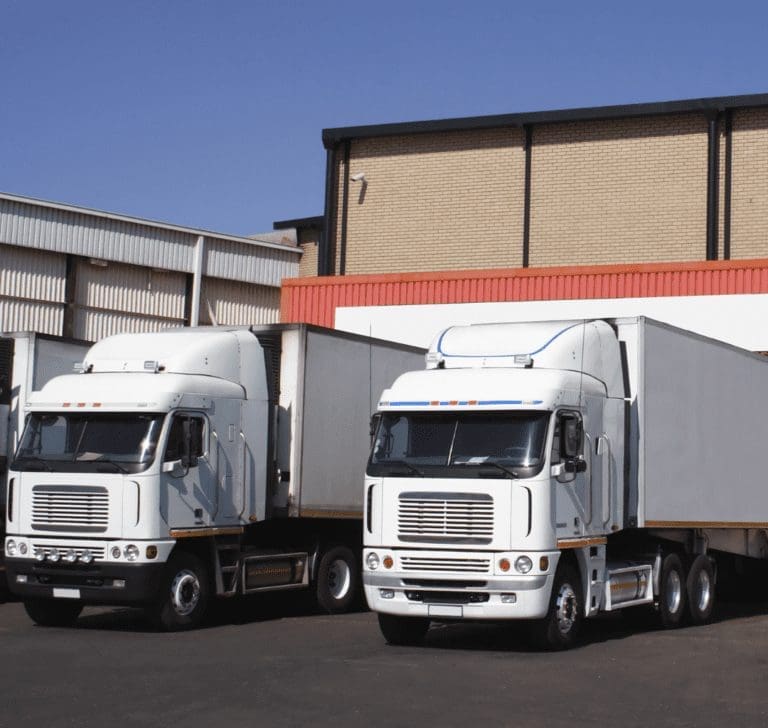
Over the past two years, the market has experienced a constant decline in rates, which finally came to a halt in 2024.
The road transport sector has been one of the hardest hit by the economic crisis caused by the pandemic. Over the past two years, the market experienced a steady decline in rates, which finally stopped in 2024 with a modest 0.2% year-on-year increase. While this uptick offers a glimmer of hope, it is not enough to confirm that the sector has reached a definitive recovery. For that, a prolonged period of stable and sustained profits will be necessary.
Some analysts are beginning to see signs of stabilization. For example, in 2024, freight volumes have shown a series of fluctuations less severe than in previous years, suggesting that the market may be finding a balance. In the first half of 2024, rates experienced monthly ups and downs, but each decline was less deep than the previous one, which could indicate that the sector is overcoming the most drastic drops.

Freight volume: a key indicator of the sector’s health
A recent article from Supply Chain Change describes a series of ups and downs in the transport sector throughout 2024, following a sharp decline in truck tonnage in early 2023. The first half of the year was marked by fluctuations in transport rates, with a 4.3% increase in January-February, followed by a 3.2% decrease until April, another 3.6% uptick in May, and a 1.6% drop in June. Despite this volatility, the declines seemed less severe over time, suggesting that a gradual stabilization might be underway.
Regarding rates, spot rates for dry van transport have fallen significantly from their historic highs in 2022. Although contract rates have also decreased, some carriers are seeing signs that they may have hit the bottom, which could lead to a gradual recovery. However, profitability remains a challenge, and many carriers have exited the market due to unsustainable margins.
From December 2022 to March 2024, the Federal Motor Carrier Safety Administration (FMCSA) reported a 7.6% reduction in the number of carriers and a 10.7% drop in brokers. However, despite the disappearance of thousands of operators, some signs indicate that the market is beginning to adjust. The number of revoked carriers has exceeded new registrations, suggesting that the sector’s excess capacity is starting to reduce, which could help balance supply and demand in the near future.

Challenges in the transport industry: fluctuations and inflation
Nevertheless, the sector continues to face significant challenges. Inflation, inventory fluctuations, and geopolitical tensions are external factors that continue to affect demand for transport and, consequently, the market’s stability. Although inflation seems to be slowing down and consumer demand is starting to show signs of recovery, carriers still face narrow margins and high operational costs, such as fuel and labor.
In this context, technology has become a key ally for carriers. The adoption of digital solutions, such as route optimization platforms and artificial intelligence applied to load planning, is helping carriers improve efficiency and reduce operating costs. These tools allow for better truck utilization, minimizing deadhead miles and optimizing fuel consumption.

Although full recovery still seems distant, signs of stabilization and technological advancements provide moderate optimism for the future. The rest of 2024 is expected to be a year of transition, with a gradual recovery that could materialize more significantly by spring 2025. However, volatility will remain a constant, and carriers will need to adapt to a dynamic and challenging environment in order to emerge stronger from this crisis.

$170 billion at stake: 1,500 companies demand tariff refunds
Companies have challenged the global tariffs imposed by President Donald Trump, asking federal courts to reactivate proceedings to begin the refund process. The companies that

In brief: enforcement measures target speeding, CDL training gaps and more
Major enforcement actions across the U.S., including speeding, CDL fraud, and chain violations Colorado launches Speed Enforcement Program The Colorado Department of Transportation (CDOT) has

Chinese Vehicles Raise Espionage and Remote Sabotage Concerns
Investigations into Chinese technology in connected vehicles warn of espionage risks, massive data transmission, and potential remote access vulnerabilities that concern U.S. transportation and security

Between the Court and the Fed: the market redefines its roadmap for 2026
Trade policy in limbo as markets price in 2026 rate cuts and Supreme Court strikes down Trump tariff plan. In the latest episode of the

New 10% U.S. import tariff takes effect amid legal and market uncertainty
The implementation of these new tariffs has generated global uncertainty among exporters, increasing confusion around U.S. trade policy. The United States has implemented a new

Military Trucks That Moved a Base in Syria
Convoys of advanced HEMTT and PLS military trucks carried armored vehicles, prefabricated base structures, mobile workshops and heavy equipment during the U.S. withdrawal from northeastern