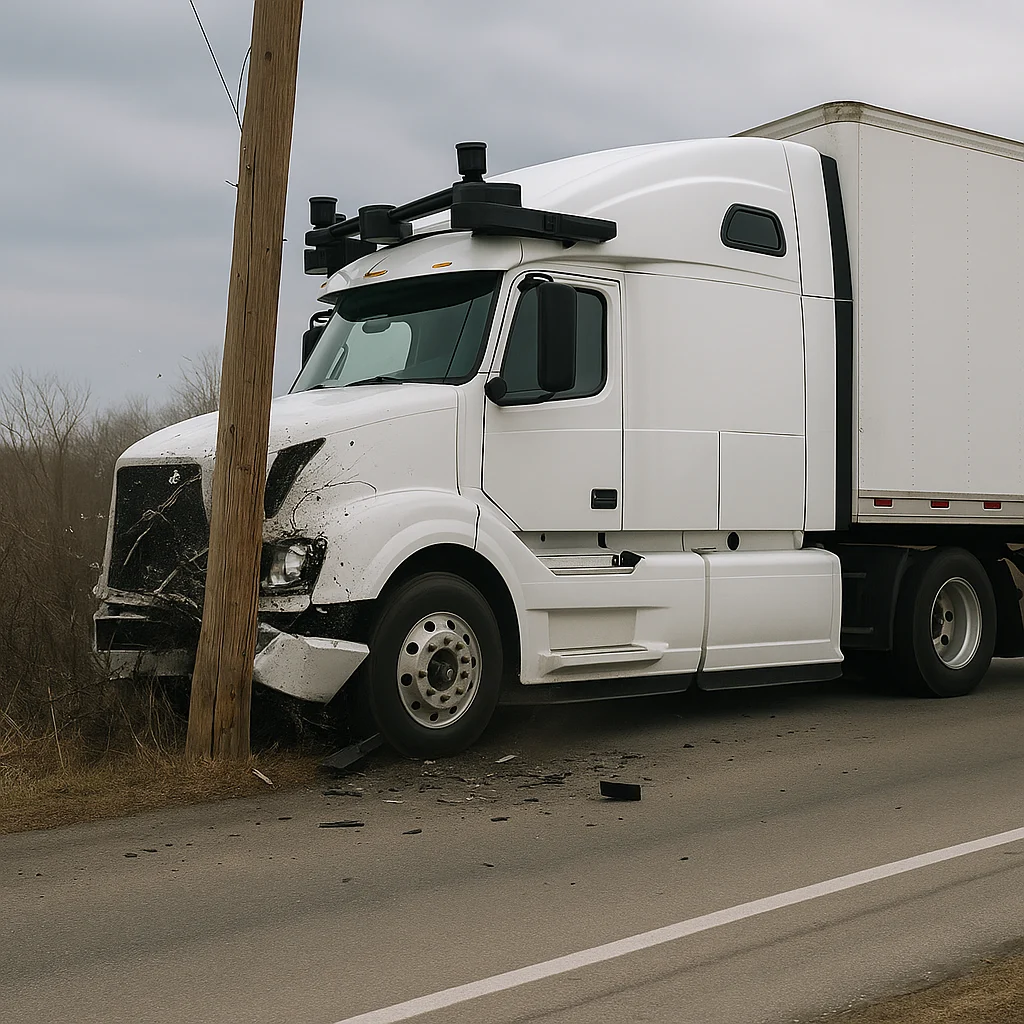
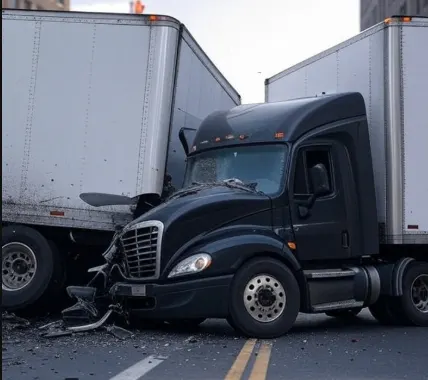
The absence of a clear regulatory framework raises red flags around safety, legal liability, and employment. In this scenario, having a reliable, specialized insurance provider isn’t just advisable—it’s essential.
Technology Is Outpacing the Law
Autonomous trucks—heavy-duty vehicles capable of operating without human intervention—are no longer futuristic concepts.
Companies like Aurora, Kodiak, and Gatik have already launched pilot programs and even limited commercial operations in states such as Texas, Arizona, and California. However, these innovations are emerging in a concerning legal vacuum: there is no federal regulation governing their use nationwide.

Fragmented and Outdated Regulations
In the U.S., traffic and transportation laws are partially decentralized. While some states have introduced their own regulations for autonomous vehicles, most have yet to specifically address driverless trucks. The National Highway Traffic Safety Administration (NHTSA) and the Department of Transportation have not yet issued mandatory technical standards for the commercial deployment of these vehicles.
Who’s Liable in an Accident?
Without clear rules, a critical question remains: Who’s responsible if an autonomous truck causes an accident? The company that owns the truck? The software developer? The sensor manufacturer? In this uncertain landscape, insurance companies specializing in transportation become key strategic allies. They can provide expert guidance, tailor specific coverage plans, and ensure that—even without unified legislation—there are mechanisms in place to manage real-world risks.
Insurers: The Bridge Between Innovation and Legal Security
An insurer experienced in emerging technologies does more than just provide compensation.
They also assist with risk assessment, offer technical consulting, and can play a key role in establishing internal protocols to compensate for the absence of legal standards. In many cases, well-structured insurance policies become the de facto rules of the road, defining responsibility and response in the event of an incident.
Labor Impacts
Beyond the technical concerns, labor unions have raised alarms about the social consequences. According to the American Trucking Associations, over 3 million people work as truck drivers in the U.S. The rise of autonomous trucks threatens to radically reshape this labor market without any planned transition or safety nets for workers.
The Industry’s Promises—Still Unproven
Companies in the sector claim that autonomous trucks will increase road safety, lower logistics costs, and address the driver shortage. Yet many of these promises remain unproven in complex real-world environments. The lack of regulation allows testing to move forward without strict oversight.
Technology is speeding ahead, but legislation remains stuck on the shoulder. In this uncertain legal context, insurance companies stand out as essential pillars for operational safety, risk management, and civil liability. Until a clear federal regulatory framework is established, having a specialized insurer isn’t just a competitive edge—it’s the only real safety net for navigating the road to the future.

Jerome Powell under investigation as tensions between Trump and the Fed escalate
The investigation into Powell has raised global concerns over a potential threat to the independence of the U.S. central bank. In the new episode of

Road Alert: 25 States Under Extreme Driving Conditions
Snow, ice, strong winds, and low visibility are keeping major highways under active travel advisories. The alert now affects 25 states and calls for extra caution, especially among truck drivers and freight carriers operating along key corridors.

Human Trafficking: A Nationwide Call to Action on America’s Roads
Human trafficking is the focus of a nationwide awareness week aimed at educating truck drivers, motor carriers, law enforcement, and the public about human trafficking, how to spot the warning signs, and what to do if someone may be in danger.

TAA Compliance: When Safety Complaints Turn Into Six-Figure Losses
STAA compliance is no longer a technical detail for fleet owners—it is a financial, legal, and insurance exposure. A recent enforcement action in Texas shows how mishandling safety complaints can lead to termination claims, retaliation findings, and six-figure penalties, and what carriers must do to avoid becoming the next case

U.S. labor market raises red flags on Wall Street
The U.S. labor market closed 2025 with clear signs of weakening, as evidenced by the latest employment data released in December. In the latest episode

DOT finds half of North Carolina CDLs were issued illegally
The DOT warns that half of North Carolina’s CDL licenses are irregular after a federal audit uncovered serious compliance failures. The findings directly affect truckers, fleets, and transportation companies, raising urgent questions about road safety, legal operations, and the future of the trucking industry.