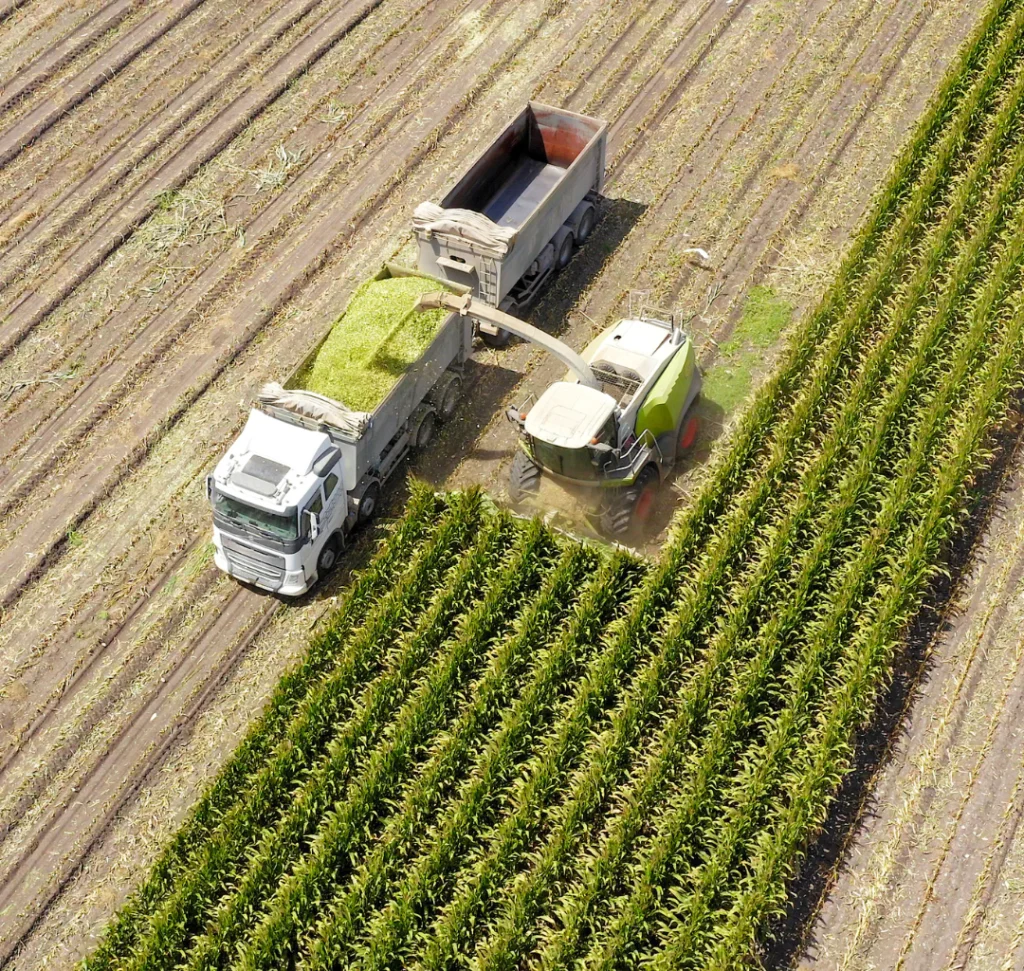
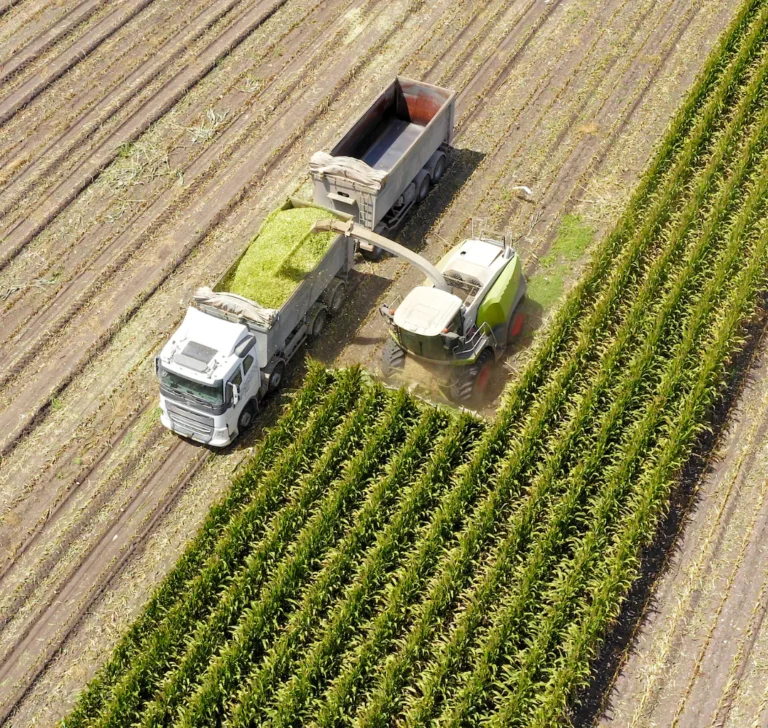
The agricultural industry relies heavily on an efficient transportation system to ensure smooth operation.
The agricultural industry deeply relies on an efficient transportation system to ensure that agricultural products reach from the field to the consumer’s table, whether over short or long distances. This logistical component enables farmers to invest with confidence, increase their production, and access international markets.
Without efficient transportation, the development of agricultural enterprises is limited. Perishable, bulky, and delicate products like fruits, vegetables, or dairy require specific conditions to avoid spoilage, which directly impacts quality, producers’ profits, and customer satisfaction.

Types of trailers used in agricultural transport
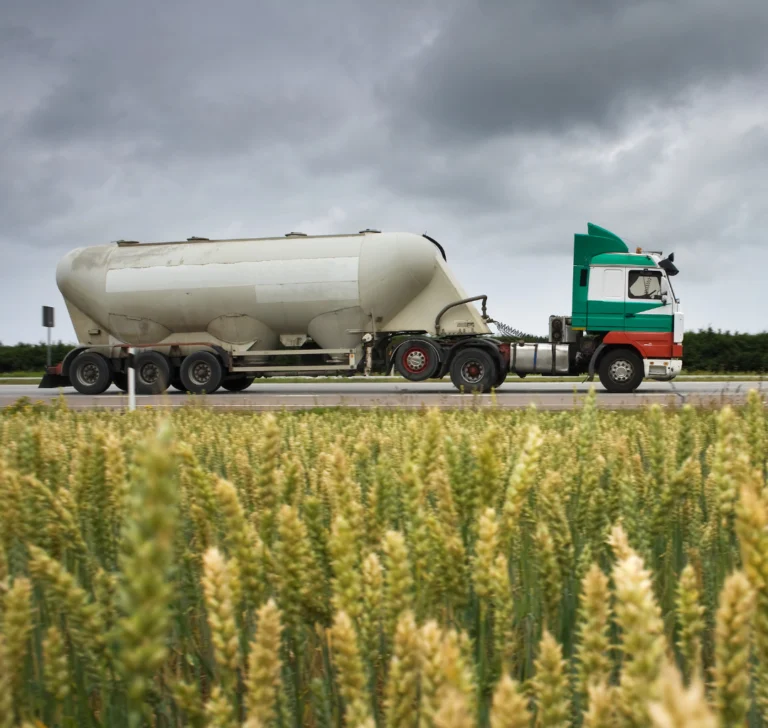
Agriculture presents different needs, especially when it comes to transportation. To meet these needs, road freight transport uses three main types of trailers and trucks. These are:
Reefers – This type of trailer is designed, as its name suggests, to control temperature conditions. They are essential to preserve the freshness and safety of perishable products, using polyurethane foam insulation to keep the internal temperature stable.
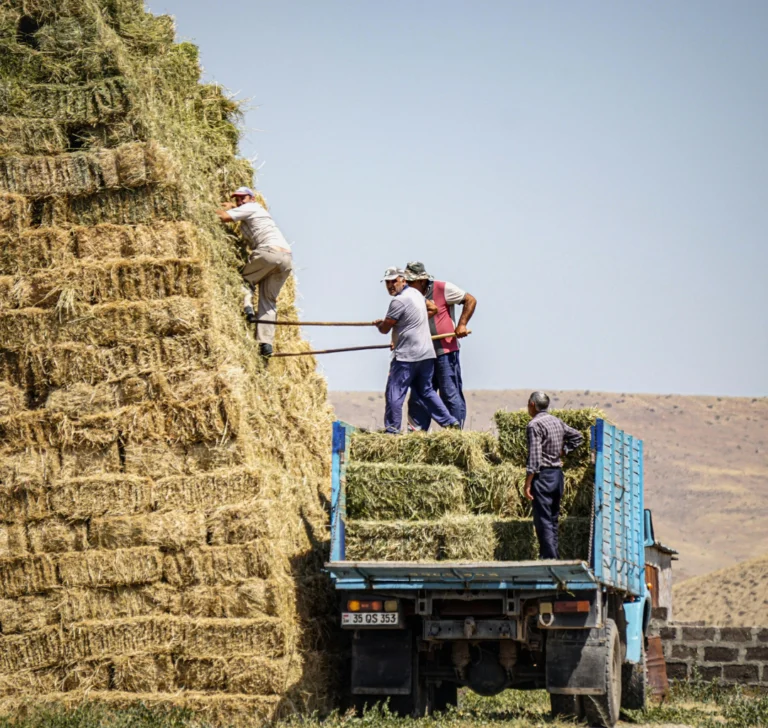
Flatbed trailers – This open trailer variation is ideal for transporting large or heavy agricultural goods. This includes machinery, tractors, or hay bales. They are essential for agricultural operations.
Dry van trailers – Although externally similar to reefers, they lack temperature control. They protect products from external conditions and are widely used due to their low cost and efficiency in transporting dry and non-perishable goods.

Challenges of agricultural transport
Despite its great importance in the supply chain, agricultural transport faces several challenges that impact its efficiency and profitability. In many rural areas, poor road infrastructure increases travel times and the risk of product loss during transport. Additionally, high logistical costs—driven by fuel prices and resource shortages—negatively affect farmers’ profitability.
Another significant challenge is product waste. The lack of adequate storage and transport facilities, especially in warm climates, accelerates the spoilage of agricultural products. Added to this is the seasonal variability in production, which creates peaks and valleys in the demand for logistics services, further complicating transport planning.
Lastly, limited technology in many developing countries exacerbates the situation. However, the sector is moving towards more efficient logistics. Investments in infrastructure, the use of advanced technologies, and innovative solutions like digital platforms are helping overcome obstacles and improve the agricultural value chain.

In the future, with greater technological adoption, better rural roads, and more reliable logistics services, the agricultural industry will be able to operate more efficiently, profitably, and sustainably. This will not only boost farmers’ productivity but also ensure continued and affordable access to quality food for consumers.

Jerome Powell under investigation as tensions between Trump and the Fed escalate
The investigation into Powell has raised global concerns over a potential threat to the independence of the U.S. central bank. In the new episode of

Road Alert: 25 States Under Extreme Driving Conditions
Snow, ice, strong winds, and low visibility are keeping major highways under active travel advisories. The alert now affects 25 states and calls for extra caution, especially among truck drivers and freight carriers operating along key corridors.

Human Trafficking: A Nationwide Call to Action on America’s Roads
Human trafficking is the focus of a nationwide awareness week aimed at educating truck drivers, motor carriers, law enforcement, and the public about human trafficking, how to spot the warning signs, and what to do if someone may be in danger.

TAA Compliance: When Safety Complaints Turn Into Six-Figure Losses
STAA compliance is no longer a technical detail for fleet owners—it is a financial, legal, and insurance exposure. A recent enforcement action in Texas shows how mishandling safety complaints can lead to termination claims, retaliation findings, and six-figure penalties, and what carriers must do to avoid becoming the next case

U.S. labor market raises red flags on Wall Street
The U.S. labor market closed 2025 with clear signs of weakening, as evidenced by the latest employment data released in December. In the latest episode

DOT finds half of North Carolina CDLs were issued illegally
The DOT warns that half of North Carolina’s CDL licenses are irregular after a federal audit uncovered serious compliance failures. The findings directly affect truckers, fleets, and transportation companies, raising urgent questions about road safety, legal operations, and the future of the trucking industry.