This initiative seeks to safeguard U.S. trade and commerce along the border.
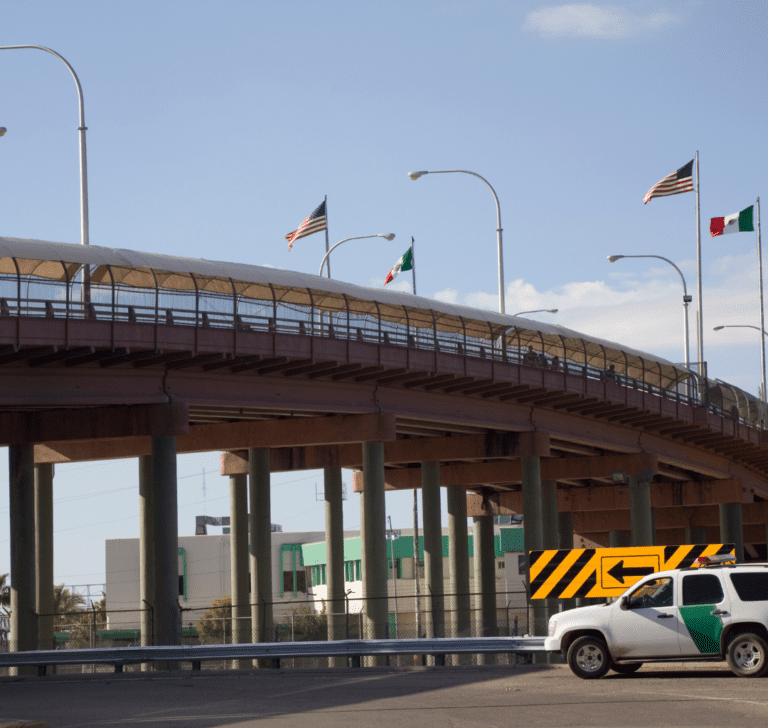
On Friday, February 9th, the Law to Keep International Land Ports of Entry Open was introduced, a new bill aimed at preventing the Department of Homeland Security (DHS) from closing commercial entry ports. This initiative, led by Texas Senator Ted Cruz, seeks to safeguard U.S. trade and commerce along the border, prohibiting DHS from reallocating personnel from entry ports to assist in processing illegal immigrants.
In December, four border entry points were partially or fully closed due to a high influx of immigrants. Cruz stated in a press release that shutting down legal trade to accommodate immigrants is unacceptable, estimating a daily closure would result in approximately $250 million in lost trade.
The bill prohibits DHS personnel transfers from entry ports along the southwest border unless it doesn’t affect trade processing, immediate replacements are provided, or personnel are needed for physical border detentions.

According to records, the Biden administration has reassigned DHS personnel from entry ports to assist in processing thousands of immigrants crossing the southern border daily. Since Biden took office, over 8.5 million immigrants have been detected at U.S. borders, with encounters reaching a historic high of 302,000 in December.
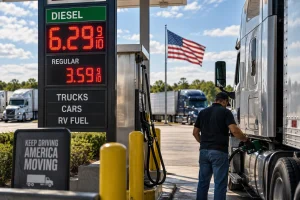
John D. Esparza, President of the Texas Trucking Association, emphasized the importance of international trade for Texas’s economy, warning that reallocating federal employees to process migrants would increase border congestion, impacting supply chains and the Texan economy.
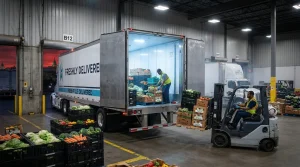
The Owner-Operator Independent Drivers Association (OOIDA) reiterated its focus on ensuring smooth trade flow across the southern border, highlighting its members’ dependence on uninterrupted cargo movement in Texas and across the U.S.
The new legislation is supported by groups such as the Owner-Operator Independent Drivers Association, the American Trucking Association, the Texas Trucking Association, the Association of American Railroads, the National Grain and Feed Association, and the North American Export Grain Association.

Truck drivers are at high risk of developing diabetes
About 11% of the adult population meets the criteria for prediabetes, and there is a particular group at high risk: truck drivers. Diabetes rates in

Starting in trucking: required permits, registrations, and compliance
Are you a new carrier? This is what you need to know about permits, registration, and compliance. The trucking industry can be quite challenging for

Alberta Clipper Brings an Early Polar Blast: A Critical Alert for Drivers
The Alberta Clipper is sweeping across the country with fast-moving Arctic air, sharp temperature drops, and dangerous road conditions that demand heightened attention from all professional drivers.

American manufacturers trigger truck “dumping” investigation
Foreign trailer manufacturers under investigation for alleged “dumping” in the U.S. The U.S. truck market is at the center of a trade dispute. After domestic

ATRI Warns: Litigation Is Rising Across the U.S. Trucking Industry
A new report from the American Transportation Research Institute (ATRI) reveals how escalating litigation, higher legal costs, and mounting insurance pressures are reshaping the U.S. trucking industry. The findings mark a critical moment for motor carriers, insurers, and logistics stakeholders who must understand the changing legal environment — and the increasingly strategic role of strong insurance partnerships.

FMCSA says no to hours-of-service exemptions
FMCSA rejects two requests for exemptions to hours-of-service rules for commercial drivers. The Federal Motor Carrier Safety Administration (FMCSA) has denied two exemption requests related