This initiative seeks to safeguard U.S. trade and commerce along the border.
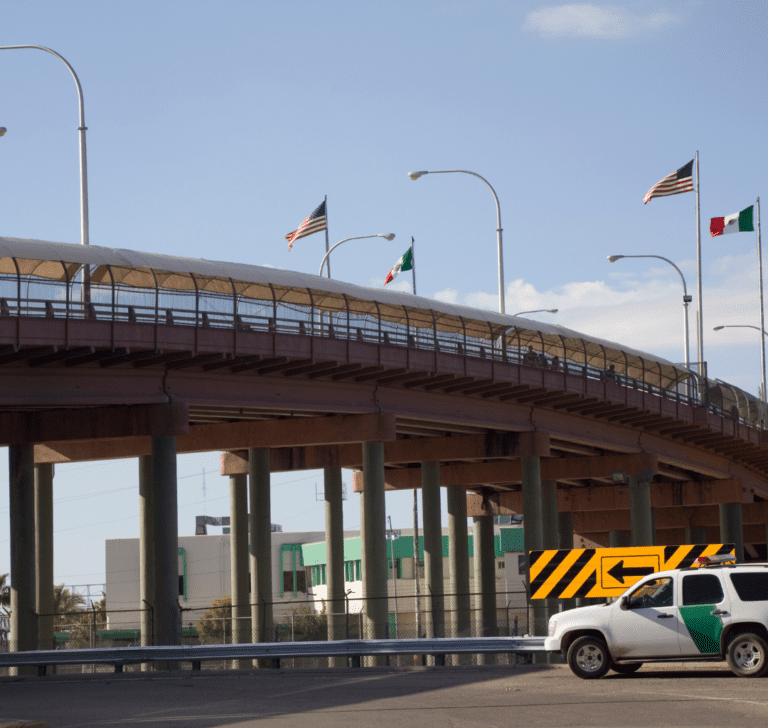
On Friday, February 9th, the Law to Keep International Land Ports of Entry Open was introduced, a new bill aimed at preventing the Department of Homeland Security (DHS) from closing commercial entry ports. This initiative, led by Texas Senator Ted Cruz, seeks to safeguard U.S. trade and commerce along the border, prohibiting DHS from reallocating personnel from entry ports to assist in processing illegal immigrants.
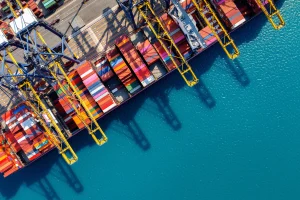
In December, four border entry points were partially or fully closed due to a high influx of immigrants. Cruz stated in a press release that shutting down legal trade to accommodate immigrants is unacceptable, estimating a daily closure would result in approximately $250 million in lost trade.
The bill prohibits DHS personnel transfers from entry ports along the southwest border unless it doesn’t affect trade processing, immediate replacements are provided, or personnel are needed for physical border detentions.

According to records, the Biden administration has reassigned DHS personnel from entry ports to assist in processing thousands of immigrants crossing the southern border daily. Since Biden took office, over 8.5 million immigrants have been detected at U.S. borders, with encounters reaching a historic high of 302,000 in December.
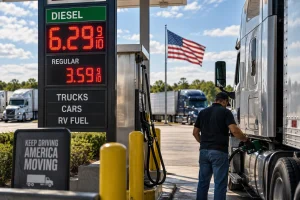
John D. Esparza, President of the Texas Trucking Association, emphasized the importance of international trade for Texas’s economy, warning that reallocating federal employees to process migrants would increase border congestion, impacting supply chains and the Texan economy.
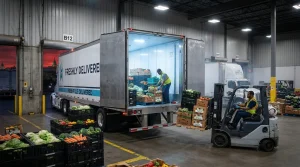
The Owner-Operator Independent Drivers Association (OOIDA) reiterated its focus on ensuring smooth trade flow across the southern border, highlighting its members’ dependence on uninterrupted cargo movement in Texas and across the U.S.
The new legislation is supported by groups such as the Owner-Operator Independent Drivers Association, the American Trucking Association, the Texas Trucking Association, the Association of American Railroads, the National Grain and Feed Association, and the North American Export Grain Association.

What Is the Difference Between Class A, B, and C Licenses?
Commercial licenses are required to operate large or specialized vehicles; learn about the differences.

The Perfect Road Trip Playlist for Truck Drivers in June
Whether you’re crossing highways, desert routes, late-night roads, or just taking a short trip, the best companion on a road trip will always be a good playlist.

From Alcatraz to Modern Prisons: How Supply Trucks Operate Behind Maximum-Security Walls
Maximum-security prisons depend on highly controlled logistics networks to receive food, water, medicine, fuel, equipment and other essential supplies. Since Donald Trump floated the idea of reopening Alcatraz, one question has resurfaced: How are these facilities supplied, and what protocols must truck drivers and vendors follow to gain access?

Oakland’s New Speed Cameras Generate 82,000 Tickets in Just One Month
The cameras had been issuing warnings since January 14, 2026, and officially began issuing speeding tickets on March 15, 2026.

How Traffic Congestion Is Forcing Fleets to Rethink Operations
Traffic congestion is redefining freight transportation operations, what are fleets doing to survive?

Ten Ways to Improve Truck Fuel Efficiency and Reduce Costs
How better fuel efficiency can help truck drivers and fleets lower operating expenses and improve profitability