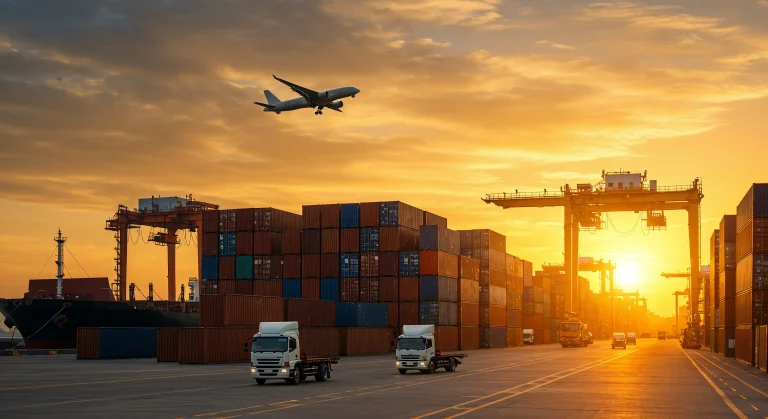
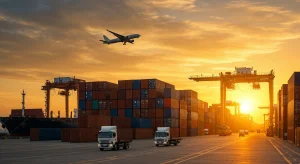
The implementation of these new tariffs has generated global uncertainty among exporters, increasing confusion around U.S. trade policy.

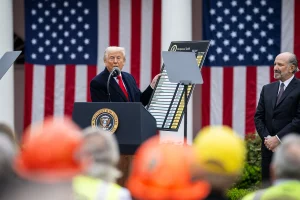
The United States has implemented a new temporary 10% tariff on global imports. Last Friday, February 20, President Donald Trump signed an order imposing a 10% tariff for 150 days under an emergency law, replacing previously established tariffs. However, the Supreme Court overturned the motion. In response, the president announced he would raise the rate to 15%.

Although President Trump’s position on applying the 15% rate has not changed, according to Reuters, U.S. Customs and Border Protection notified carriers late Monday that the rate would remain at 10%.

Since no official order has been signed to increase the tariff to 15%, the previously signed measure establishing the 10% tariff remains in effect as of Tuesday, February 24. This means that all shipments and imports into the U.S. are subject to an additional cost of at least 10%, except for specific exemptions.

Entra en vigor el nuevo arancel del 10% sobre las importaciones de EE.UU.
Image: Freepik, via freepik.com

The 10% tariff takes effect

The implementation of these new tariffs has generated global uncertainty among exporters, increasing confusion around U.S. trade policy. Traders cited uncertainty over trade prospects as one reason global markets opened lower on Tuesday.

The original announcement of a potential increase to 15% caused confusion in global markets, and stock indexes experienced volatility linked to trade uncertainty: the Dow Jones Industrial Average (.DJI) rose 0.65%, the S&P 500 gained 0.5%, and the Nasdaq (.IXIC) increased 0.8%, according to Reuters data.

The 150-day period is established under Section 122 of U.S. trade law, which allows the president to impose tariffs to address large and serious balance-of-payments deficits and fundamental international payments problems. Trump’s tariff order argued that there was a severe balance-of-payments deficit, citing a $1.2 trillion annual trade deficit in goods, a current account deficit equal to 4% of GDP, and a reversal of the U.S. primary income surplus.

Some market experts, economists, and trade lawyers argue that the United States is not on the brink of a balance-of-payments crisis as Trump claims, putting the new tariffs at risk of legal challenges.

New 10% U.S. import tariff takes effect amid legal and market uncertainty
Image: Freepik, via freepik.com

Companies react to tariff uncertainty

According to federal data, as of December, the Treasury Department had collected more than $133 billion from import taxes imposed under the president’s emergency powers law. The estimated impact over the next decade is projected to reach approximately $3 trillion.

FedEx has sued the U.S. government to recover tariffs paid, alleging financial damages of up to $1 billion in 2026 due to those duties. Other major companies, including Costco, Toyota, and Goodyear, are also filing lawsuits seeking tariff refunds.

This highlights that for companies handling or importing shipments, tariffs represent a significant burden and are now being contested in court. It remains unclear whether businesses will be reimbursed for tariffs paid under the program struck down by the Supreme Court, or how such reimbursements would be handled.

Although updated quantitative data has not yet been published, available evidence suggests that due to steep tariffs, 2025 saw a notable reduction in certain shipments from countries such as China to the United States (as previously observed when high tariffs were imposed). Economists and analysts have emphasized that tariffs tend to increase consumer prices, as importers often pass on the additional costs.

Trump warns of punitive measures

On Monday, Donald Trump warned that countries failing to honor previously negotiated trade agreements with the United States could face significantly higher tariffs under other laws.

Japan requested assurances that it would receive favorable treatment under the new tariff regime, while the European Union, the United Kingdom, and Taiwan expressed their preference to maintain existing agreements. Meanwhile, China urged Washington to remove its “unilateral tariffs” and stated its willingness to engage in another round of trade negotiations with the United States.

Facebook
Twitter
LinkedIn
WhatsApp

Leave a Reply

Your email address will not be published. Required fields are marked *

Business hours: Monday to Friday from 8:00 AM to 5:00 PM. California time
Leave your number and a member of our company will contact you
Horario de atención: Lunes a viernes de 8.00 AM a 5.00 PM. Hora california

Deje su número y un miembro de nuestra empresa se pondrá en contacto con usted

Privacy summary

This website uses cookies so that we can offer you the best possible user experience. Cookie information is stored in your browser and performs functions such as recognizing you when you return to our website or helping our team understand which sections of the website you find most interesting and useful.

More information about the privacy policy: Privacy Policy

More information about the terms of use: Terms of use 

More information about the disclaimer: Disclaimer 

More information on acceptable use policies: Acceptable Use Policies