The Department of Transportation stated that the BUILD program is intended to leave a lasting legacy.
On July 15, Secretary of Transportation Sean Duffy announced the allocation of 30 infrastructure grants totaling $488 million. These investments — ranging from truck parking facilities to bridges, highways, and multimodal projects — aim to improve travel safety and boost the economy.
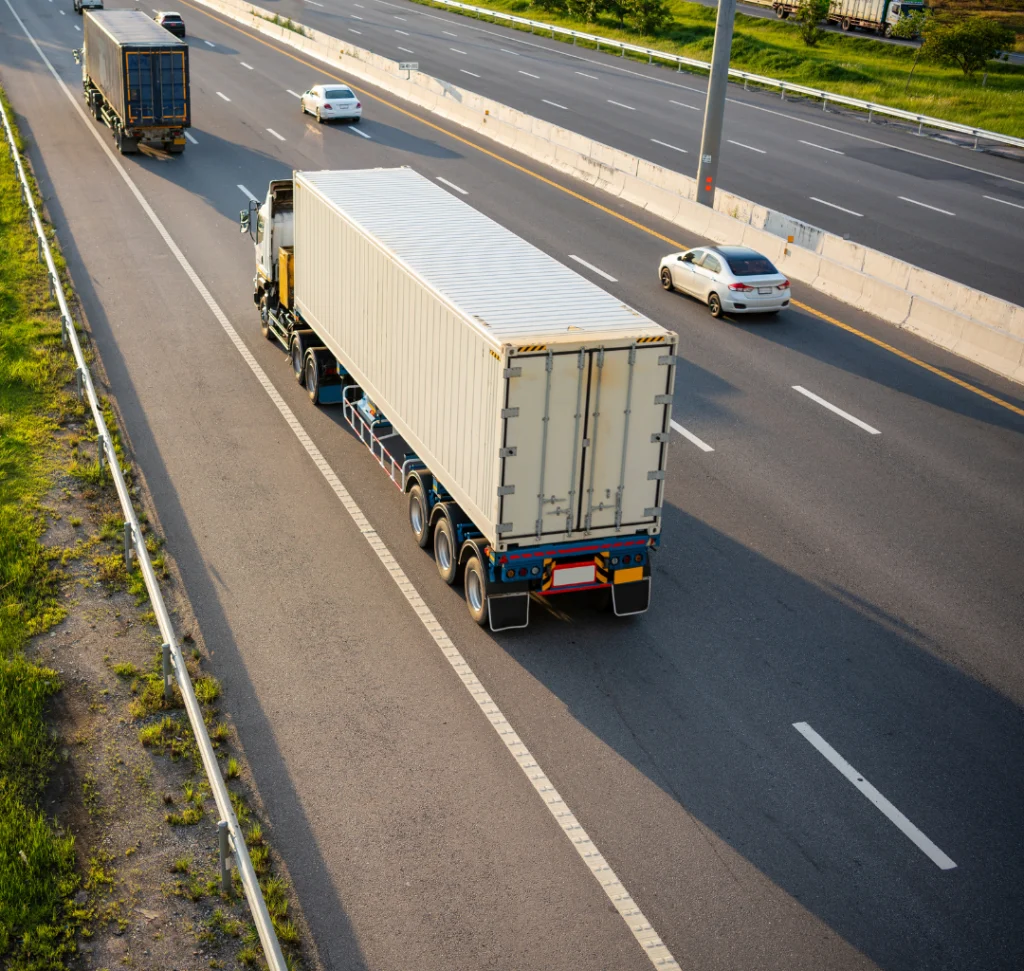
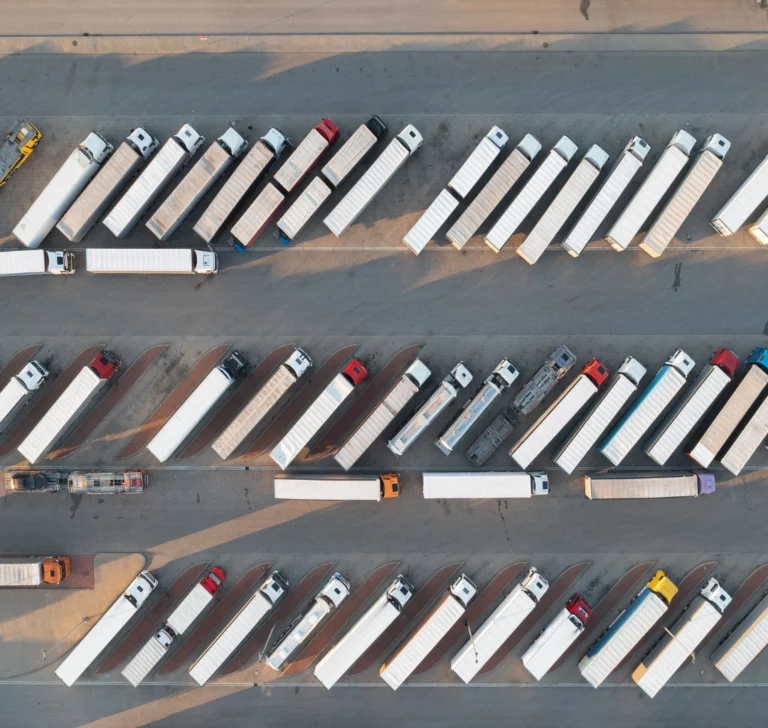
Duffy noted that 77% of the funding will go toward highway and bridge projects, while multimodal surface transportation projects will receive $3 million. One of the most notable grants was awarded to the West Virginia Division of Highways, which will receive $24.8 million to expand interstate truck parking along I-81, I-64, and I-79 in Berkeley, Cabell, and Monongalia counties.

West Virginia receives BUILD program grant
In 2023, West Virginia had 1,860 truck parking spaces across 60 public and commercial facilities, according to the state’s Freight Transportation Plan. However, the report found that these spaces were overused, often forcing drivers to rely on alternative locations like Walmart parking lots during peak hours.
The chair of the Senate Committee on Environment and Public Works expressed her support for the project in a letter backing WVDOT’s grant application, emphasizing that improving these facilities will enhance driver safety and encourage economic investment across the state.
The funding comes through the Department of Transportation’s BUILD (Better Utilizing Investments to Leverage Development) program, which supports surface transportation infrastructure projects with significant local or regional impact. With this federal support, the West Virginia project will cover 70% of its estimated $35.5 million total cost.

BUILD: a lasting legacy for the U.S
In addition to West Virginia, twenty-five other states also received BUILD grants. In Washington state, Snohomish County was awarded $2 million for a project to improve the intermodal yard and the Everett curve.
In Pennsylvania, the Bucks County Redevelopment Authority will receive $25 million to revitalize the Bristol Port, including construction of a 1,100-foot dock. Meanwhile, the city of Cleveland was granted $900,000 to develop plans and designs for a modern transportation hub.
In North Dakota, Ward County was awarded $4 million for the Minot’s Accessible Growth-Driving Intermodal Connector (MAGIC) project, which aims to improve mobility along U.S. Highways 2, 52, and 83.
The Department of Transportation stated that the BUILD program is intended to leave a lasting legacy. The total $488 million in grants is just the beginning of a four-year administration determined to build bigger and bolder than ever before, Duffy announced. Projects were selected based on safety, project readiness, and cost-effectiveness.

Canada Wildfire Smoke Reaches New York Ahead of World Cup Final
Smoke from hundreds of active wildfires across Canada has significantly reduced air quality in New York and New Jersey just days before the 2026 FIFA World Cup Final between Argentina and Spain. The conditions are also creating new challenges for truck drivers and freight carriers operating throughout the Northeast.

What Regulations Have Changed for Truck Drivers in the U.S. in 2026?
Learn about the new trucking regulations in the United States for 2026, upcoming FMCSA changes, and how they will affect drivers and trucking companies.

Apocalyptic-Looking Sky in Ontario Goes Viral Amid Wildfires
Wildfires swept across Ontario, Canada and smoke spread as far as the U.S. border.

The Biggest Match of the World Cup Was Played Off the Field
More than 453 metric tons of equipment, around 5,000 trucks and support vehicles, and simultaneous operations across 16 host cities kept the largest FIFA World Cup in history running.

DEF Act: 10 Years of Legal Protection for EPA Diesel Emissions Guidance
The Diesel Engine Flexibility (DEF) Act would protect agricultural and transportation businesses by building on the diesel emissions guidance by the EPA.

License Plate Readers Raise Privacy Concerns for Truck Drivers
Concerns are growing over the impact license plate readers could have on the privacy and security of truck drivers.