Drivers spend an average of 119 minutes waiting at each pickup or delivery.
The phenomenon of detention time, a peculiar reality for truck drivers, has come to light with data provided by FreightWaves SONAR. According to this data, drivers spend an average of 119 minutes waiting to be loaded or unloaded at each pickup or delivery. Although the first two hours of waiting are usually unpaid, drivers receive compensation for each additional hour, revealing a notably inefficient practice.
A 2018 study by the Office of the Inspector General of the U.S. Department of Transportation highlights the serious economic consequences of this phenomenon, estimating income losses between 1.1 and 1.3 billion dollars for truck drivers. Furthermore, each 15-minute increase in detention time increases the accident rate by 6.2%, emphasizing the associated risks.

What causes detention times?
Recently, FreightWaves explored the reasons behind these prolonged detention times from the perspective of truckers. One of the main identified causes is the lack of sufficient warehouse workers, despite wage increases in the sector, where employees earn an average of almost $24 per hour.
Outdated logistical practices also contribute to the problem, especially in live loading, where drivers wait during loading or unloading, leading to extended times of up to three hours. The proliferation of SKUs (stock-keeping unit) and the diversity of product sizes add complexity to the loading process.
This prolonged detention time seems to be the result of corporate cultures that do not prioritize logistics, affecting both drivers and overall efficiency. The solution would involve greater attention to logistics planning and the implementation of practices that reduce dwell times.
As the problem persists, some transportation companies choose to avoid known facilities to prolong detention time, which could lead to higher costs to attract drivers. The situation has led many retailers to pay for detention time or invest in improving facilities to expedite the loading process.
Despite these efforts, with hundreds of thousands of small trucking companies, a complete resolution of the detention time problem appears challenging, and drivers may continue to face this reality in the near future.

How technology affects driver retention
Friend or foe? 52% of drivers say technology directly influences their decision to stay with or leave a fleet. Fleet telematics company Platform Science published

Dalilah Law seeks to remove non-english speaking commercial drivers
President Donald Trump proposed the “Dalilah Law,” an initiative aimed at prohibiting undocumented immigrants from obtaining commercial driver’s licenses. On February 24, President Donald Trump
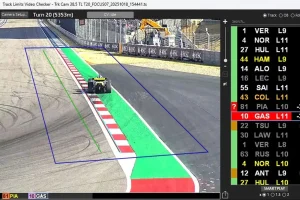
FORMULA 1 and the AI That Could Transform Transportation in the U.S.
The artificial intelligence system that Formula 1 implemented to monitor every car on every turn is opening the door to new applications in trucking, logistics,

$170 billion at stake: 1,500 companies demand tariff refunds
Companies have challenged the global tariffs imposed by President Donald Trump, asking federal courts to reactivate proceedings to begin the refund process. The companies that

In brief: enforcement measures target speeding, CDL training gaps and more
Major enforcement actions across the U.S., including speeding, CDL fraud, and chain violations Colorado launches Speed Enforcement Program The Colorado Department of Transportation (CDOT) has

Chinese Vehicles Raise Espionage and Remote Sabotage Concerns
Investigations into Chinese technology in connected vehicles warn of espionage risks, massive data transmission, and potential remote access vulnerabilities that concern U.S. transportation and security