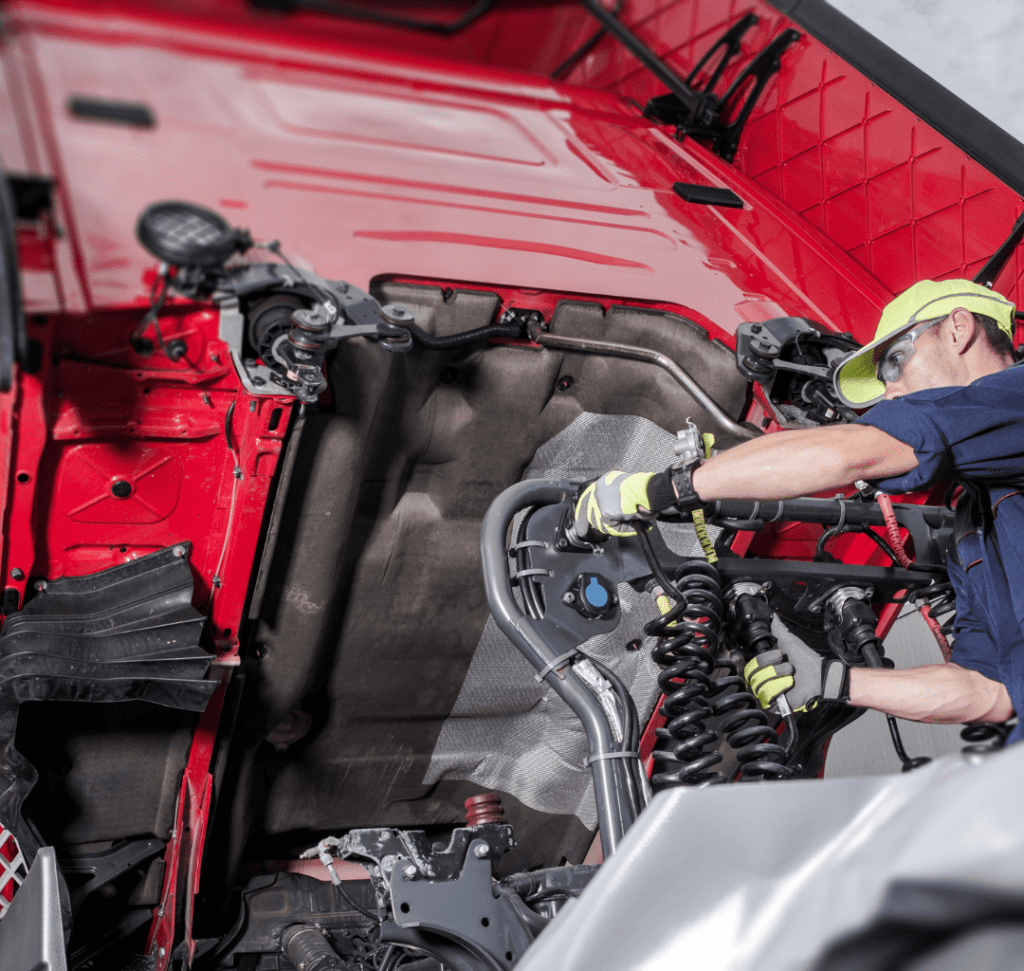
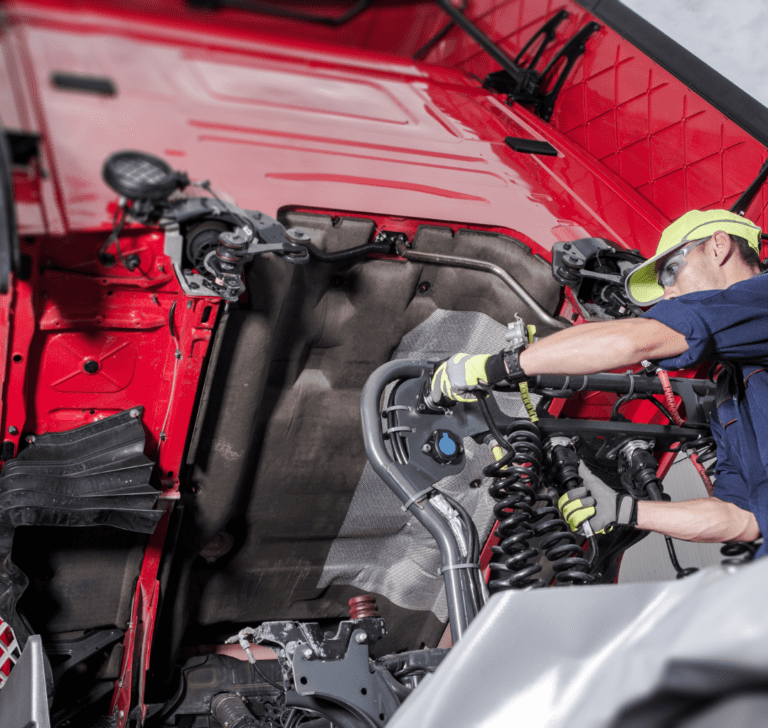
Performing this check before starting your travels will not only ensure your safety, but will also allow you to comply with the regulations
In a profession where road safety is a fundamental priority, it is common for drivers to neglect their own safety. By managing their schedules based on miles and having limited rest breaks, they often skip essential activities like daily truck inspections, as these tasks may seem like a waste of time during their rest periods.
Although modern trucks are extremely durable, daily inspection of the same components remains crucial in road transport. Any part of a truck, even a new one, can fail at any time. While a thorough pre-trip inspection does not guarantee that a breakdown won’t occur, identifying issues in advance can prevent a major catastrophe during trips.
That’s why we are sharing a routine that will take no more than 10 minutes and will help you prevent accidents. Performing this check before starting your trips will not only ensure your safety but also help you meet requirements in case you are subject to a roadside inspection.
1. Tire inspection
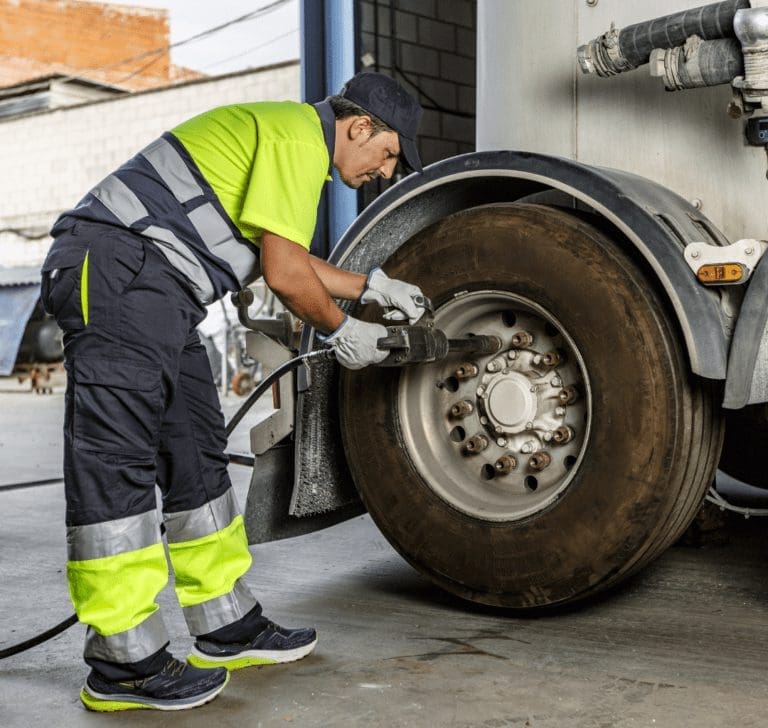
Tires are among the most exposed parts to damage due to road debris, potholes, heat, and manufacturing defects. Drivers often do not perform proper tire inspections, limiting themselves to a superficial check. The gaps between tandem tires and the sidewalls of the inner tire are usually difficult to examine due to side fairings and tractor fenders, but it is crucial to pay attention to these areas.

2. Air supply
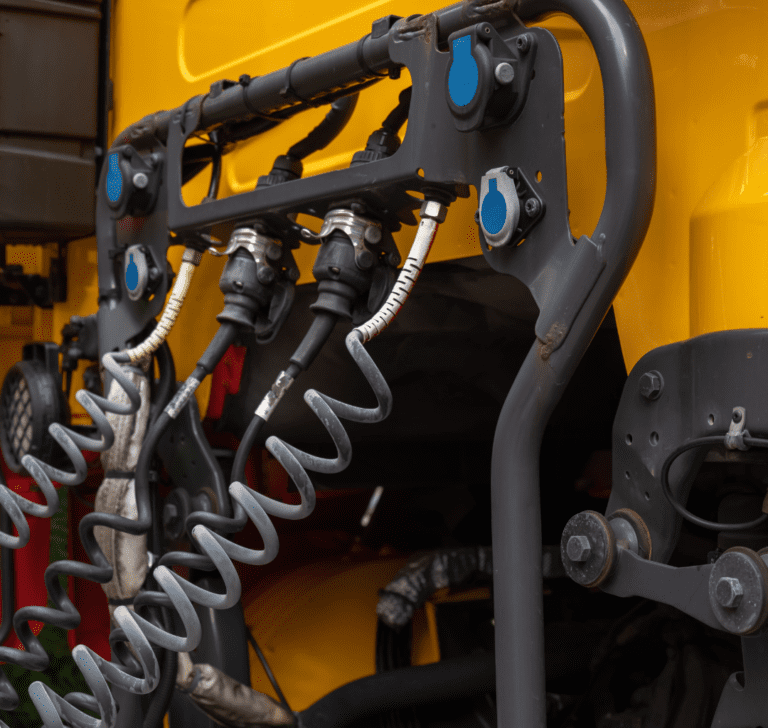
With many modern trucks equipped with airbags instead of springs, the air supply system is crucial, requiring regular inspection of lines, valves, and mounting brackets. Aging air compressors can introduce oil vapor into the lines, which, when combined with dust and cold, forms sludge that can clog the valves. Therefore, it is essential to maintain and inspect air dryers and regularly purge the tanks to avoid problems.

3. Fluid inspection
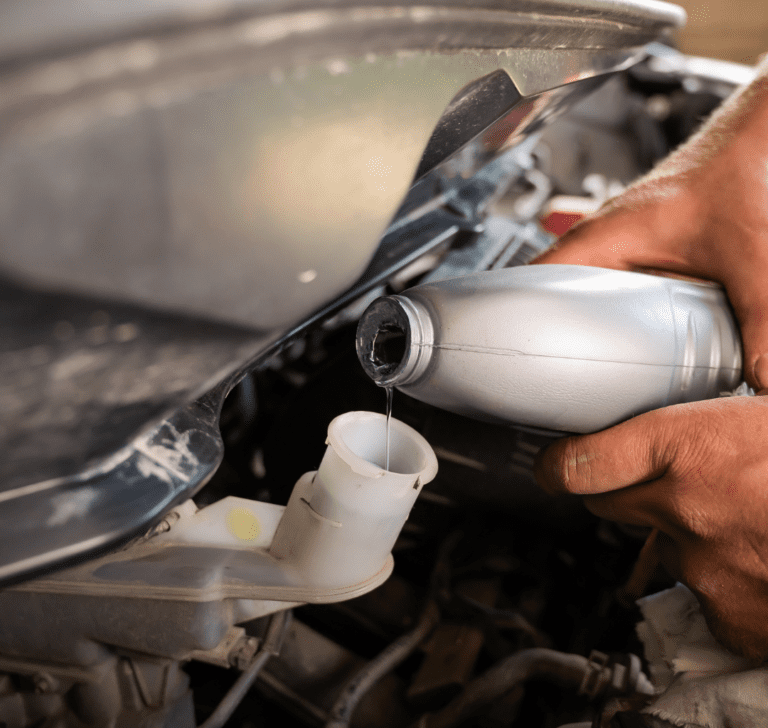
It is crucial to perform a thorough inspection before each trip, checking and replenishing fluid levels as needed. Additionally, inspect the engine for oil, fuel, or coolant leaks before they form puddles on the ground. Small leaks detected early can prevent more significant issues in the future.

4. Check nuts, bolts, and lighting
Nuts and bolts are essential for keeping truck parts together, especially the fifth wheel, which supports the trailer’s weight and endures significant lateral and longitudinal stresses. These components can loosen or break, often going unnoticed without proper inspection. Rust on nuts or bolts is a sign of potential loosening, although chrome covers can hide rust. It is also crucial to inspect lights and wiring daily.

Additional step: maintain routine and maintenance
To ensure a safe journey, perform a systematic pre-trip inspection, always starting from the same point, such as the driver’s door. Use checklists available online or in the CDL manual, as well as inspection standards from the Commercial Vehicle Safety Alliance. During the trip, conduct periodic checks at rest areas to identify issues in time and avoid superficial inspections that might overlook critical faults. Finally, if you find a problem, act responsibly by repairing what is necessary or consulting an expert to handle the work.


In brief: rail crossing safety, California autonomous trucks, and CDL laws
From rail crossing safety to autonomous trucks and CDL laws, these are the key U.S. updates in transportation.

USDOT drives logistics hubs through the Regional Infrastructure Accelerators (RIA) program
USDOT strengthens its logistics hubs strategy through the Regional Infrastructure Accelerators (RIA) program, designed to unlock projects, enhance intermodal connectivity, and accelerate critical infrastructure for freight transportation across the United States.

Controlling road rage: a guide for truck drivers
The three key steps to help truck drivers control road rage.

New identification process for the Drug and Alcohol Clearinghouse
The FMCSA has begun implementing new identity verification requirements for the Drug and Alcohol Clearinghouse.

OPEC: What the United Arab Emirates Exit Means for U.S. Fuel Costs and Logistics
The departure of the United Arab Emirates from the Organization of the Petroleum Exporting Countries is reshaping the global oil market, introducing price volatility and creating new challenges for diesel costs, freight operations, and fleet planning across the United States.

Trucks only: Georgia plans dedicated commercial vehicle lanes on I-75
The Georgia Department of Transportation has begun developing a project that plans to add commercial vehicle lanes on I-75.