Form 2290 must be filed annually by anyone who registers a highway motor vehicle in their name with a taxable gross weight of 55,000 pounds or more.
The deadline to file IRS Form 2290 for truckers is quickly approaching. This form applies to owners of heavy vehicles operating on U.S. highways and is required by the IRS to ensure proper collection of taxes used for maintaining road infrastructure.
Form 2290 must be filed annually by anyone who registers a highway motor vehicle in their name with a taxable gross weight of 55,000 pounds or more. The filing deadline for this return is August 31.

IRS Form 2290: FAQ
IRS Form 2290 is mandatory for owners of heavy vehicles with a gross weight of 55,000 pounds or more that are operated on public highways in the U.S. This form is used to report and pay the Heavy Vehicle Use Tax (HVUT), an annual requirement for carriers and heavy trucking companies.
Who must file?
Any individual or business that:
- Is the registered owner of a vehicle weighing 55,000 pounds or more.
- Puts the vehicle on the road during a tax year that runs from July 1 to June 30 of the following year.
- Operates the vehicle on federal public highways.
Required information
To file Form 2290, you’ll need:
- The name of the taxpayer or business.
- Employer Identification Number (EIN) – this is required. The IRS does not accept Social Security Numbers (SSN) for this form.
- Address and other contact details.
- Vehicle Identification Number (VIN).
- Taxable gross weight category, which includes the weight of the truck, any trailers, and the maximum load it carries.
The IRS provides a weight category chart to help determine the appropriate classification for your vehicle. The tax amount depends on the weight of the vehicle (heavier vehicles pay higher taxes) and the date the vehicle was first put into service. Truckers must refer to the IRS tax rate table to ensure they pay the correct amount.
Some vehicles may qualify for tax suspension, even if a return still needs to be filed. For example, vehicles that operate fewer than 5,000 miles per year (or 7,500 for agricultural vehicles) can request a tax suspension by selecting the appropriate option on the form.
Failure to file Form 2290 can result in penalties, including interest charges and fines. It is essential to submit your return on time to avoid these consequences.

Help filing Form 2290
The Permits and Licensing Department of the Owner-Operator Independent Drivers Association (OOIDA) is offering assistance to truckers and vehicle owners who need help filing Form 2290. To request support, you can contact OOIDA at 816-229-5791. Applications will be accepted until August 19 to allow sufficient time for processing.
Additionally, OOIDA has partnered with 2290s.com to make online filing fast and convenient. You can file Form 2290 from any computer by visiting: members.2290s.com/ooida.
If you still have questions, Saint George Insurance Brokerage Inc. is also here to help. Contact one of our agents and ask about our services related to Form 2290, we’ll be happy to provide the assistance you need.

How 36 Years of Construction Built America’s Interstate Highway System
How long did it really take the U.S. to build the Interstate Highway System?
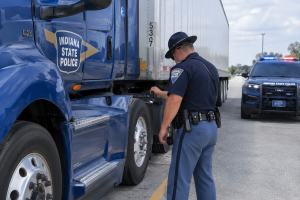
Indiana Detects Violations During Oversized Load Enforcement Operation
The operation involved state troopers and motor carrier inspectors working together to verify trucks transporting oversized loads in Indiana.

DOT Brings Freight Leaders Together to Reduce Cargo Delays
More than 54 million tons of goods move through the U.S. freight network every day. The DOT brought together over 100 industry leaders to reduce delays and logistics costs through its FLOW program

Pythons Spread to New Areas of Florida, Posing a Challenge for Trucking
The discovery of a new breeding population in Charlotte County, near I-75 and US-41, raises potential concerns for truck drivers, trailers, and logistics facilities across Florida. How these invasive snakes could hitch a ride in commercial vehicles.

Nevada’s Runaway Ramps Save Lives
Runaway ramps on highways help stop vehicles experiencing brake failure, saving lives on the road.

California Highway Patrol Inspections: What They Check on Commercial Trucks and How to Prepare
Learn what the California Highway Patrol checks on commercial trucks in California, including brakes, tires, documents, hours of service, and safety.