The American Transportation Research Institute analyzed the long-running controversy with towing practices.
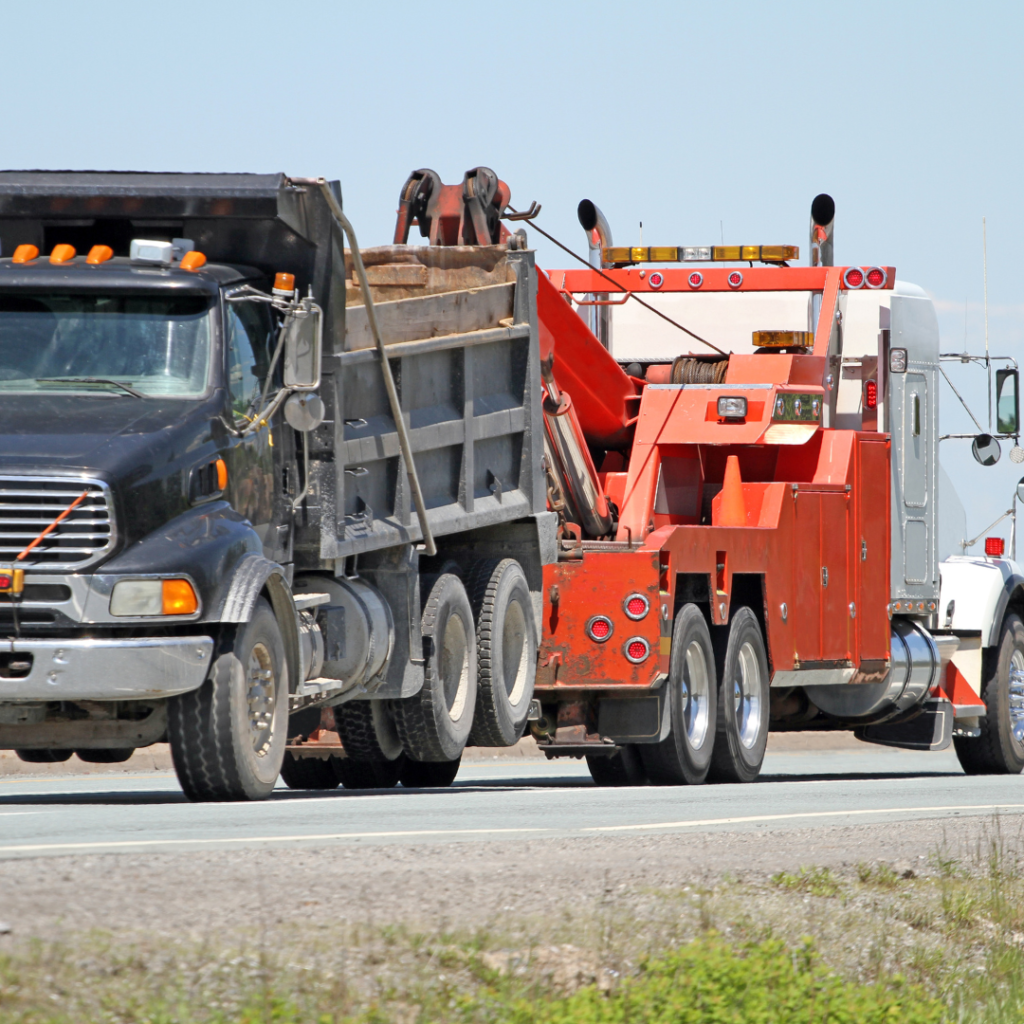
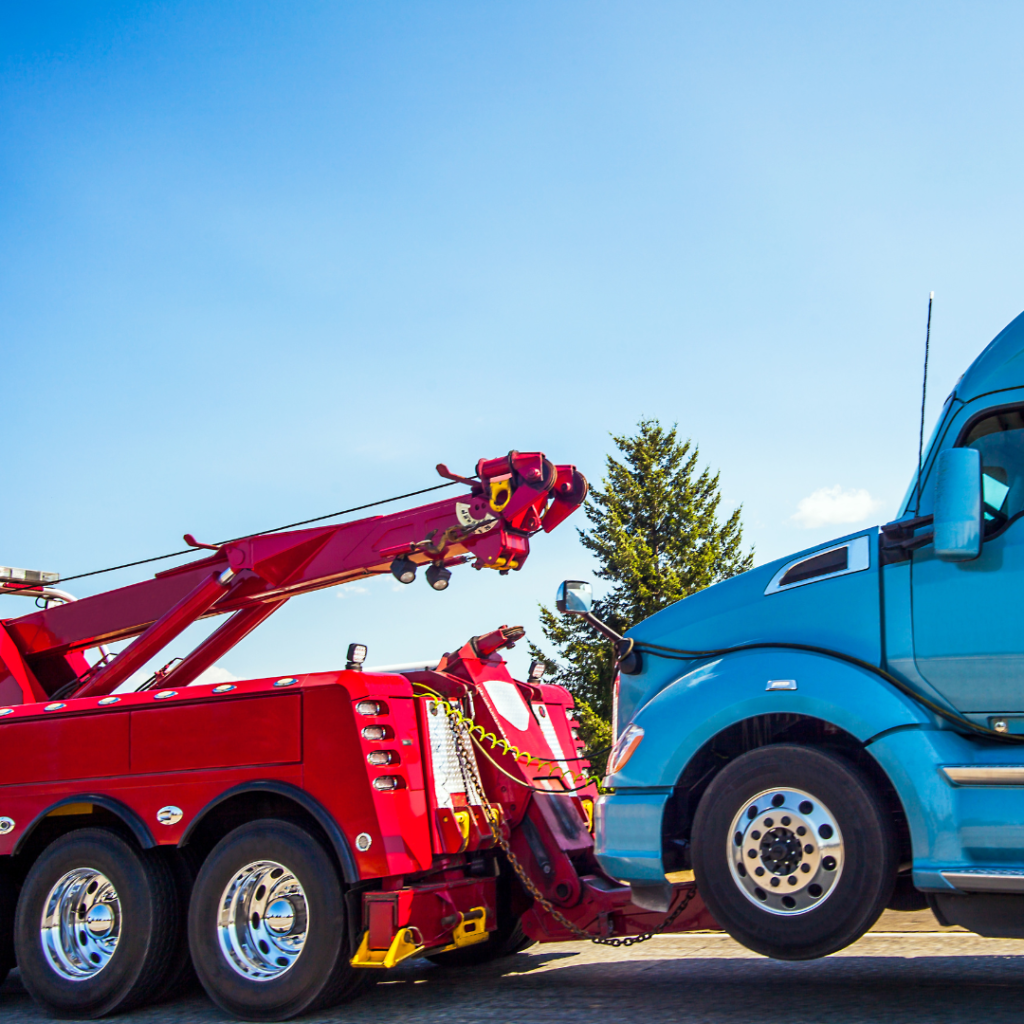
The American Transportation Research Institute (ATRI) released a report on November 29 of this year, analyzing the longstanding controversy in the road transport sector related to towing practices between 2021 and 2023.
According to ATRI’s detailed analysis, around 30% of invoices for heavy-duty truck towing related to accidents included excessive fees or unjustified additional charges. The aim of this study is to improve the relationship between towing and road transport industries.
Shawn Brown, Vice President of Safety at Cargo Transporters and former chairman of ATRI’s research advisory committee, commented that the so-called “predatory towing” is a costly issue for both carriers and towing companies, and it has been overlooked for too long. The intention with this analysis is to prompt reviews and the implementation of regulations to address the situation.
Among the data published by ATRI, it is emphasized that the most common types of predatory towing focus on excessive fees, experienced by 82.7% of carriers, and unjustified charges for additional services, experienced by 81.8% involved in road transport.

The problems of predatory towing
The increase in towing costs has been a concern for the American Trucking Association for several years. Prices have become so excessive that they have reached up to $202,000 per towing service, according to a case highlighted in ATRI’s research in Wisconsin.
However, the situation is not limited to high fees. ATRI surveyed 350 carriers for its study, asking them to identify the eight main types of abusive towing they had experienced, classifying them based on their impact on operations. The most common ones were:
- Excessive hourly or per-pound fees
- Unjustified additional charges for equipment or labor
- Excessive daily storage fees
Among others are delays in vehicle release or access issues, delays in cargo release, unwarranted vehicle seizures, tow trucks falsely declaring non-consensual tows as consensual, and damage due to the use of inappropriate towing equipment.
The issue of excessive towing expenses has become a recurring theme for carriers in recent years. ATRI aims to expose these instances of abuse in the transport industry, proposing regulations to regulate towing costs and services.

Cannabis reclassification could affect the trucking industry, ATA warns
President Donald Trump signed an executive order directing his administration to reclassify cannabis into a less restrictive federal category, could this affect the trucking industry?

ATA Calls for Tougher Penalties Against Cargo Theft
Cargo theft has moved from being an industry nuisance to a national concern. The American Trucking Associations (ATA) warned Congress that the crime is draining billions from the U.S. supply chain, disrupting logistics operations, endangering drivers, and increasingly intersecting with organized crime and national security threats—prompting renewed calls for stronger federal penalties and coordinated enforcement.

The first Bipartisan Trucking Caucus
Led by a group of lawmakers who come together to pursue shared policy goals, the caucus will focus on the integrity, safety, and growth of

NDAA passed with new protections for truck drivers and military freight
Congress approved the National Defense Authorization Act, a key piece of legislation that includes provisions aimed at protecting truck drivers. Congress approved this week the

California to Reissue Contested Commercial Driver’s Licenses, Challenging Federal Pressure
California plans to reissue contested commercial driver’s licenses (CDLs), reopening a regulatory dispute with federal authorities and raising key questions for the U.S. trucking industry.

Tesla faces suspension in California due to false advertisement
The California DMV announced that sales of Tesla Inc. vehicles could be suspended for 30 days in the state, due to marketing practices that “mislead