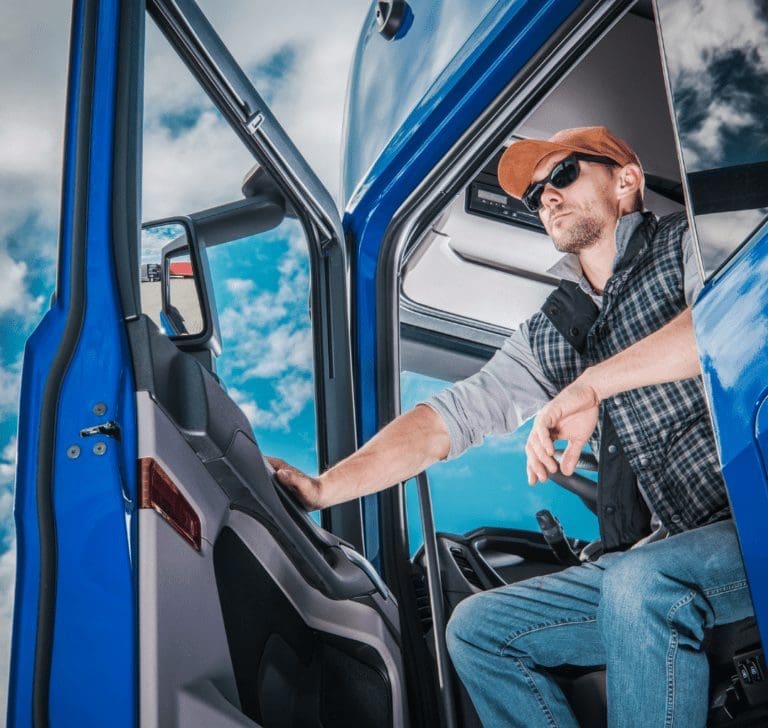
Stability, opportunity and adventure in the trucking industry
Road transportation is a sector constantly in high demand. Working in this field ensures job stability, as transportation will always be indispensable. Throughout 2024, we have experienced both prosperous and challenging days in this industry, yet the benefits it offers to its employees prevail.
Why consider joining road transportation? Whether you are starting your career or seeking a change, here are some reasons why embarking on this sector can be highly rewarding.
Job Security
According to the American Trucking Associations (ATA), becoming a truck driver offers job security due to the high demand for qualified drivers. It is anticipated that this demand will keep expanding, offering enduring stability and chances for progression. Additionally, the sector offers various career growth opportunities, from dispatch roles to managerial positions, with additional training and experience, leading to greater benefits and security for drivers over time.

Financial Stability
Truck drivers enjoy competitive salaries, often surpassing many entry-level jobs. According to the Bureau of Labor Statistics, the median annual salary for these drivers was $48,310 in 2020. Furthermore, transportation companies offer comprehensive benefits such as health insurance, retirement plans, and paid time off, making this profession attractive to those seeking financial stability.
Independence and Flexibility
Road transportation offers notable independence and flexibility in work schedules. Drivers value being able to plan their routes and hours, despite meeting deadlines and regulations. This autonomy is a significant draw for many. Additionally, being employed as a truck driver brings considerable job fulfillment, stemming from successfully and reliably transporting goods. The camaraderie among fellow drivers and acknowledgment as crucial contributors further enhance this sense of contentment.

Travel Across the Country
For those with an adventurous spirit, road transportation offers a unique opportunity to travel and explore the country, enjoying the liberty of traveling on open highways, discovering new landscapes, cities, and cultures while earning a salary. This aspect of the job attracts those seeking variety and new experiences.
Essential Industry
During the COVID-19 pandemic, truck drivers were at the forefront of national efforts to maintain the supply of goods, highlighting the vital importance of the road transportation industry. 80% of American communities rely exclusively on trucks for product delivery, elevating the status of this work to a prestigious one.
In conclusion, road transportation stands out as an industry of constant demand and rewarding opportunities. Despite challenges, the benefits and job satisfaction it offers are enduring, making it an appealing option for both those starting their careers and those seeking a change.


Controlling road rage: a guide for truck drivers
The three key steps to help truck drivers control road rage.

New identification process for the Drug and Alcohol Clearinghouse
The FMCSA has begun implementing new identity verification requirements for the Drug and Alcohol Clearinghouse.

OPEC: What the United Arab Emirates Exit Means for U.S. Fuel Costs and Logistics
The departure of the United Arab Emirates from the Organization of the Petroleum Exporting Countries is reshaping the global oil market, introducing price volatility and creating new challenges for diesel costs, freight operations, and fleet planning across the United States.

Trucks only: Georgia plans dedicated commercial vehicle lanes on I-75
The Georgia Department of Transportation has begun developing a project that plans to add commercial vehicle lanes on I-75.

Tesla Semi moves toward scale
Tesla’s electric truck is already on the road—now the real challenge is scaling production for the freight industry

New US transportation map: adapt without wasting time
The U.S. government has implemented sweeping changes to regulations governing freight transportation, affecting everything from who can be behind the wheel to mandatory in-cab technology. This is an effort to strengthen safety and operational transparency.