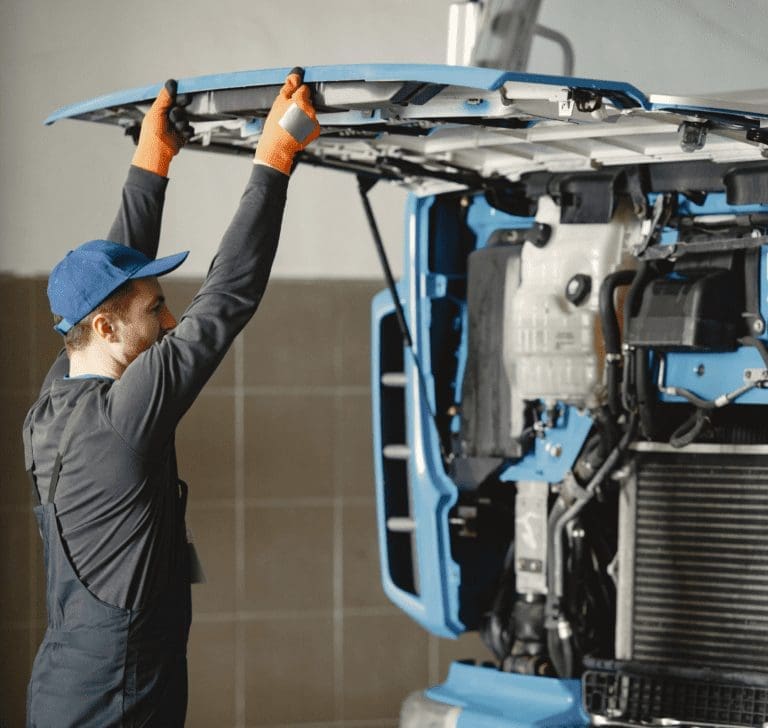
With change in seasons and the growth in goods flows, spring also marks the beginning of a new season for road transport.
Spring has arrived. With rising temperatures and winter gradually fading away, the change in seasons and the growth in goods flows, spring also marks the beginning of a new season for road transport. As this season approaches, maintenance to optimize the performance and safety of commercial vehicles becomes a priority for fleets.
Spring is the perfect time for fleets to transition from the harsh winter months to warmer and more demanding conditions. Although this season doesn’t present the same challenges as winter, it can still affect performance and fuel efficiency. Therefore, adopting a proactive approach to fleet maintenance and management during spring can help prevent costly repairs and ensure operations remain at their peak.

Spring maintenance: how to optimize fleets
Certifications and repairs
Spring maintenance for the fleet is essential to repair the damage caused by winter. A thorough inspection should be carried out to check the condition of the brakes, tires, battery, and windshield wipers. Replacing worn-out components now can prevent future failures. Additionally, equipment recertification is crucial to maintain performance standards and compliance. Spring is the ideal time to assess and maintain equipment, ensuring it is ready for operational peaks.

Preventive maintenance
Preventive maintenance is essential to prolong the lifespan of equipment. To ensure optimal performance and avoid costly repairs, some key tips shared by Hi-Kalibre Equipment include:
- Check hydraulic systems: Verify fluid levels and inspect seals and fittings for wear and leaks, preventing future failures.
- Inspect actuators and valves: Look for signs of wear in these components and perform regular checks to avoid downtime.
- Lubricate moving parts: Apply lubricant regularly to bearings and seals to ensure smooth operation and reduce wear.
- Maintain filters: Replace or clean filters regularly to avoid blockages and system failures.

Fuel efficiency optimization
With rising temperatures, driving activity also increases, so improving fuel efficiency should become a priority. Taking steps to reduce downtime, plan efficient routes, and ensure proper tire pressure can make a significant difference. Additionally, performing regular engine checks and replacing air filters helps keep fuel consumption under control.
Implementing telematics data and GPS tracking can be key to monitoring fuel consumption, optimizing it, and reducing unnecessary mileage.

Safety protocol review
Smart Fleet reminds us that spring brings new challenges, such as road construction, unpredictable weather, and increased pedestrian and wildlife activity. Therefore, it is the ideal time to update driver training on how to navigate detours and maintain proper safety distances. Including safety updates as part of spring fleet maintenance can improve driver awareness and reduce the risk of accidents.

Planning for seasonal demand increase
Last but not least, it’s important to remember that during this season, many industries experience an increase in activity. To be prepared for higher demand, it’s crucial to ensure vehicle availability, adjust driver schedules, and maintain an adequate inventory of essential parts and supplies. A well-planned approach in advance will help prevent last-minute delays and ensure service reliability.

New identification process for the Drug and Alcohol Clearinghouse
The FMCSA has begun implementing new identity verification requirements for the Drug and Alcohol Clearinghouse.

OPEC: What the United Arab Emirates Exit Means for U.S. Fuel Costs and Logistics
The departure of the United Arab Emirates from the Organization of the Petroleum Exporting Countries is reshaping the global oil market, introducing price volatility and creating new challenges for diesel costs, freight operations, and fleet planning across the United States.

Trucks only: Georgia plans dedicated commercial vehicle lanes on I-75
The Georgia Department of Transportation has begun developing a project that plans to add commercial vehicle lanes on I-75.

Tesla Semi moves toward scale
Tesla’s electric truck is already on the road—now the real challenge is scaling production for the freight industry

New US transportation map: adapt without wasting time
The U.S. government has implemented sweeping changes to regulations governing freight transportation, affecting everything from who can be behind the wheel to mandatory in-cab technology. This is an effort to strengthen safety and operational transparency.

The Longest Straight Road in the World: A Challenge for Drivers
Highway 10 in Saudi Arabia, the longest straight road in the world, stretches over 250 km without curves across the desert