States that have implemented regulations to achieve 100% zero-emission vehicles
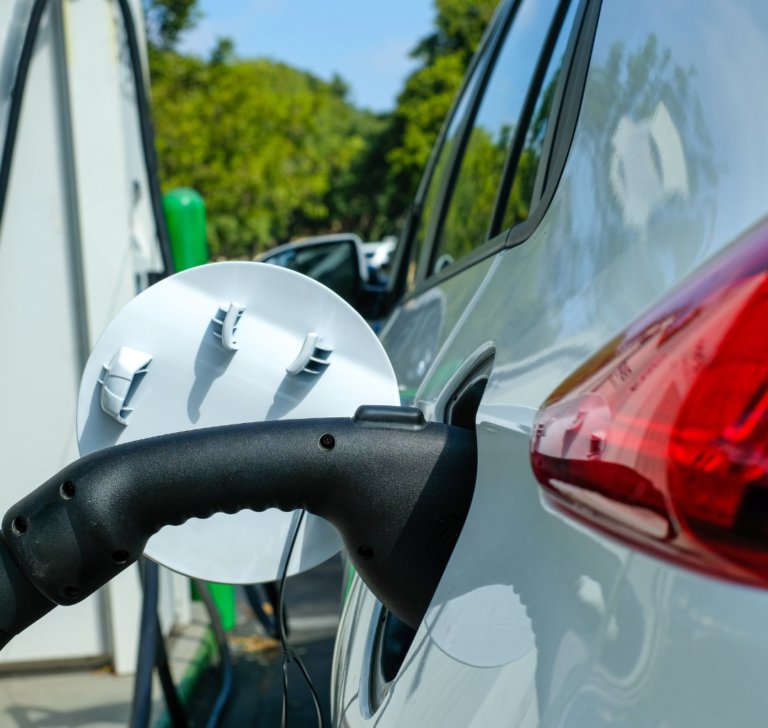
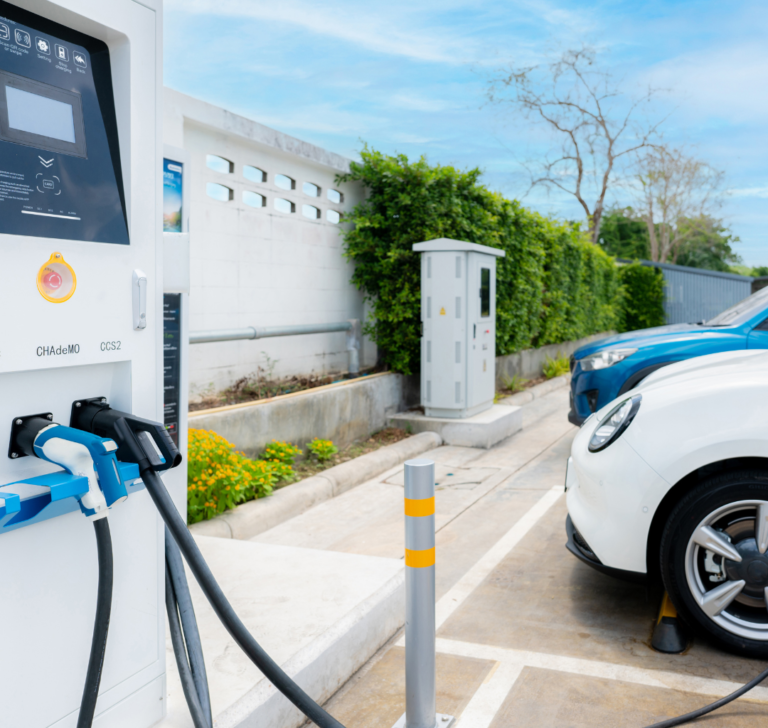
The path towards vehicle electrification still has a long way to go; however, some states in the U.S. are taking decisive steps to drive the transition towards phasing out fossil fuel vehicles. A prominent example is California, which has implemented the Advanced Clean Cars II regulation, aiming for all vehicles in the state to be zero-emission by 2035.
California is not alone in this effort, as other states are also adopting similar measures pointing towards a reality where zero-emission vehicles dominate the automotive industry. How will this be achieved? Reaching 100% zero-emission vehicles is a considerable challenge, but this is how states are tackling it.
California
As mentioned earlier, the Advanced Clean Cars II regulation mandates that by 2035, all vehicles sold in California will be zero-emission. The regulation builds upon the already growing state market for zero-emission vehicles and strict vehicle emission control standards, expanding them to meet stricter standards for exhaust emissions.
The regulation has two goals: increasing the number of zero-emission vehicles, such as electric vehicles, and establishing stricter standards for gasoline vehicles and heavy-duty trucks to reduce emissions contributing to smog.
New Mexico
New Mexico is moving towards emission reduction with the Clean Fuel Standards for Transportation, enacted through HB41. Additionally, starting in 2026, 43% of all new passenger cars and light-duty trucks shipped to New Mexico car dealerships by domestic car manufacturers must be zero-emission vehicles. The same applies to 15% of all new heavy-duty commercial trucks shipped to New Mexico car dealerships.

Maryland
In September 2023, the Maryland Department of the Environment (MDE) officially adopted the Advanced Clean Cars II regulation, making Maryland the first state in the region to do so. Backed by its 2030 Greenhouse Gas Reduction Act, which sets a 50% reduction target by 2030, in line with the Maryland Commission on Climate Change recommendations.
In Maryland, Advanced Clean Cars II builds upon the current Clean Cars Program to require manufacturers to continuously increase the proportion of electric vehicles they sell, reaching 100% of passenger cars and light-duty trucks sales by the 2035 model year.
Washington
Washington leads in environmental regulations with the Climate Commitment Act (CCA), which sets limits and reductions on greenhouse gas emissions for major emitting sources and industries. This law allows companies to find efficient ways to reduce carbon emissions, crucial for meeting the commitment to reduce emissions by 95% by 2050. Additionally, Washington is adopting stricter vehicle emission standards, aligning with California regulations from the 2025 model year onwards.
Despite criticisms and challenges facing these regulations, other states are beginning to join and pass them for subsequent implementation. Some of the states listed in this effort are:
- Delaware
- New Jersey
- New York
- Oregon
- Virginia
- Vermont
- Nevada
- Minnesota
- Colorado

These regulations promise significant reduction of air pollutants affecting public health and contributing to climate change. Not only do they aim to foster the growth of the zero-emission vehicle market, but the regulations also seek to improve internal combustion engines, offering additional benefits for public health. However, both organizations and dealerships continue to question their implementation.

Truck drivers are at high risk of developing diabetes
About 11% of the adult population meets the criteria for prediabetes, and there is a particular group at high risk: truck drivers. Diabetes rates in

Starting in trucking: required permits, registrations, and compliance
Are you a new carrier? This is what you need to know about permits, registration, and compliance. The trucking industry can be quite challenging for

Alberta Clipper Brings an Early Polar Blast: A Critical Alert for Drivers
The Alberta Clipper is sweeping across the country with fast-moving Arctic air, sharp temperature drops, and dangerous road conditions that demand heightened attention from all professional drivers.

American manufacturers trigger truck “dumping” investigation
Foreign trailer manufacturers under investigation for alleged “dumping” in the U.S. The U.S. truck market is at the center of a trade dispute. After domestic

ATRI Warns: Litigation Is Rising Across the U.S. Trucking Industry
A new report from the American Transportation Research Institute (ATRI) reveals how escalating litigation, higher legal costs, and mounting insurance pressures are reshaping the U.S. trucking industry. The findings mark a critical moment for motor carriers, insurers, and logistics stakeholders who must understand the changing legal environment — and the increasingly strategic role of strong insurance partnerships.

FMCSA says no to hours-of-service exemptions
FMCSA rejects two requests for exemptions to hours-of-service rules for commercial drivers. The Federal Motor Carrier Safety Administration (FMCSA) has denied two exemption requests related