The United States is leading a new energy revolution—one powered by waste, clean air, and cutting-edge science. From manure to solar power, from agricultural leftovers to captured air, these new fuels are already being produced, tested, and deployed.
As the world races toward an energy transition, the U.S. is spearheading the shift toward clean, renewable, and often unexpected sources. This transformation is driven not just by climate goals, but also by economic and geopolitical interests. These innovative fuels promise to cut emissions, boost green jobs, and reduce dependency on fossil imports. But what exactly are these fuels, how are they made, and why are they reshaping the global energy map?
1. Biogas and Biomethane: Energy Born from Waste
One of the most mature and widely used solutions in the U.S. is biogas, and its refined version, biomethane. These fuels are produced from organic waste: livestock manure, crop residues, wastewater, and municipal garbage.
How it’s produced: Anaerobic digesters break down organic matter, releasing methane.
Where it’s used: Heavy-duty transportation (trucks and buses), rural electricity generation, and heating.
Example: Hundreds of farms in California and Wisconsin already inject biomethane into the gas grid or use it to fuel vehicles. Companies like Clean Energy Fuels supply entire trucking fleets with renewable gas.

2. Green Hydrogen: The World’s Cleanest Fuel
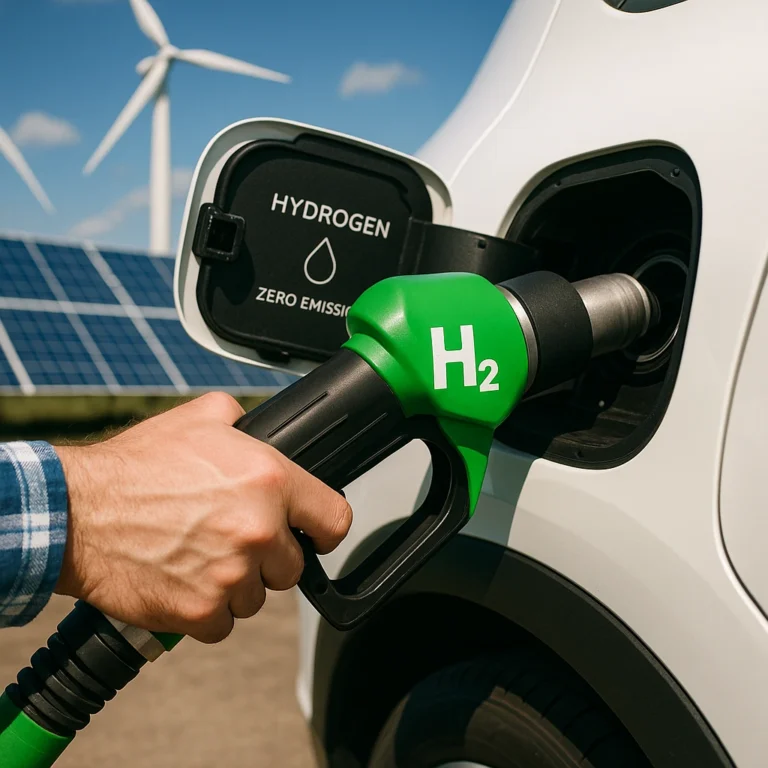
Hydrogen is the most abundant element in the universe—but green hydrogen, made from water and renewable electricity, is the real game-changer.
How it’s produced: Through water electrolysis powered by solar or wind energy.
Why it matters: It emits zero carbon when burned or produced—only water vapor.
Future uses: Long-haul trucking, trains, ships, heavy industries (steel, cement), and energy storage.
Example: States like Texas, Utah, and California are building large-scale green hydrogen plants. The U.S. Department of Energy’s Hydrogen Energy Earthshot aims to slash hydrogen costs to $1/kg within a decade.

Advanced Bioethanol and Biodiesel: Fuel That Doesn’t Compete with Food
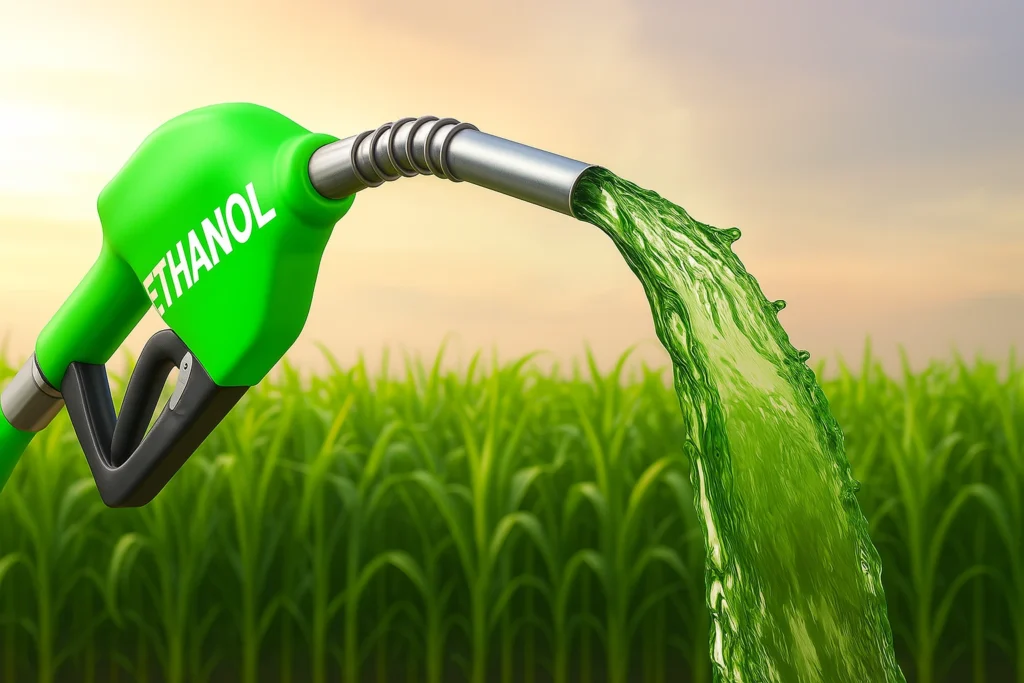
The U.S. has long used corn-based ethanol in its fuel mix. But the future lies in second-generation biofuels—those made without food crops.
Feedstocks: Forest residues, husks, special grasses (like switchgrass), and recycled oils.
Advantages: They reduce emissions without compromising food security.
Example: Companies like POET and Neste produce certified second-gen biofuels for aviation and ground transport.
E-Fuels: Clean Energy from Air and Electricity
E-fuels, or synthetic fuels, are a promising solution for hard-to-electrify sectors like aviation and maritime shipping. They are made by combining captured CO₂ with green hydrogen.
How it works: Captured CO₂ + green hydrogen → liquid synthetic hydrocarbons.
Advantages: Carbon-neutral when made with 100% renewable energy.
Example: Companies like Carbon Engineering (backed by Bill Gates) and HIF Global are building pilot plants in Texas and beyond to scale up e-fuel production.
Green Electricity: The Backbone of 21st-Century Energy
The immediate future is electric—but it goes far beyond plugs and chargers. Clean electricity from solar, wind, and hydro is transforming transportation, industry, and energy storage.
Applications: Electric vehicles, home batteries, smart microgrids, rural electrification.
Synergy: Green electricity also powers the production of hydrogen and e-fuels.
Example: Tesla, Rivian, and GM are leading EV manufacturing, while states like California, New York, and Massachusetts are pushing toward 100% renewable electricity targets.
oward a New Energy Paradigm
The United States is emerging as a living laboratory for future fuels. From the cornfields of Iowa to the solar arrays in Nevada, the next era of energy will be cleaner, more diverse, and decentralized. But the transition isn’t just about technology—it’s also a political and social challenge: to ensure that this transformation is inclusive and equitable, leaving no one behind.

Controlling road rage: a guide for truck drivers
The three key steps to help truck drivers control road rage.

New identification process for the Drug and Alcohol Clearinghouse
The FMCSA has begun implementing new identity verification requirements for the Drug and Alcohol Clearinghouse.

OPEC: What the United Arab Emirates Exit Means for U.S. Fuel Costs and Logistics
The departure of the United Arab Emirates from the Organization of the Petroleum Exporting Countries is reshaping the global oil market, introducing price volatility and creating new challenges for diesel costs, freight operations, and fleet planning across the United States.

Trucks only: Georgia plans dedicated commercial vehicle lanes on I-75
The Georgia Department of Transportation has begun developing a project that plans to add commercial vehicle lanes on I-75.

Tesla Semi moves toward scale
Tesla’s electric truck is already on the road—now the real challenge is scaling production for the freight industry

New US transportation map: adapt without wasting time
The U.S. government has implemented sweeping changes to regulations governing freight transportation, affecting everything from who can be behind the wheel to mandatory in-cab technology. This is an effort to strengthen safety and operational transparency.