Drive safely in extreme weather conditions, with these brief tips
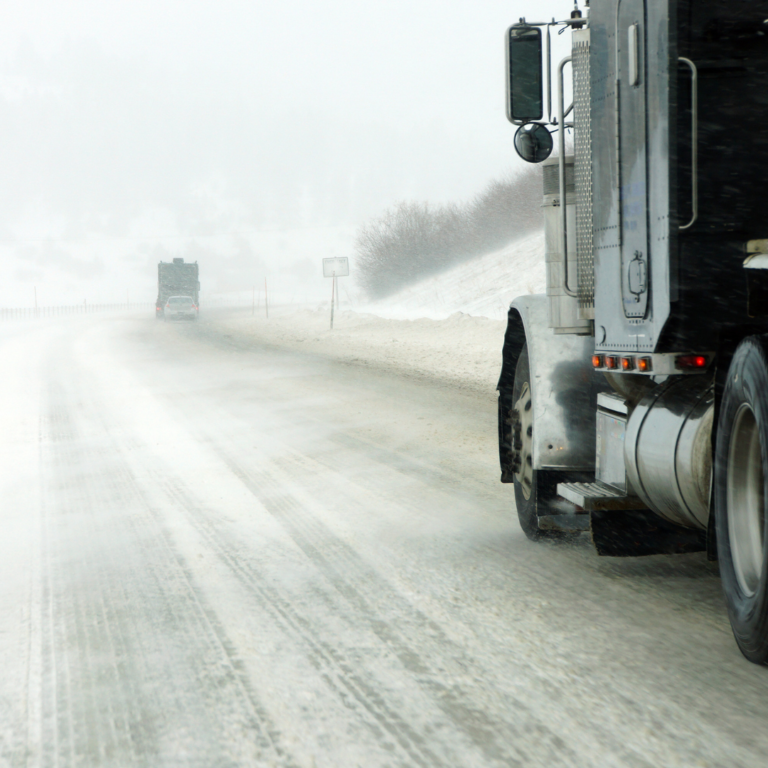
During winter, roads become hazardous. In states where snow and rain are abundant, it is necessary to drive with extra caution to avoid accidents. Even if you, as a truck driver, have the necessary experience to make good decisions and know when conditions are unsafe, your job becomes increasingly challenging when driving in adverse winter weather conditions.
Knowing some tips and strategies for driving safely during winter can be very useful for truck drivers. Driving in snowy and inclement weather conditions always poses a challenge, even for more experienced truckers. Below are some tips to help you stay safe.
Reduce Speed: One of the most common causes of accidents is driving at excessive speeds. Although speed limits are legally established, in situations where the road is covered with snow or ice, it’s best to slightly reduce speed, driving below the limit. Activate hazard lights for the benefit of other drivers.
Maintain a Safety Zone: Ensuring you keep enough space between your truck and other vehicles is essential. Maintain a good distance whenever possible; this not only provides safety for you but also for other drivers. In the event of a possible collision, you’ll avoid hitting more cars.
As an additional tip, when snow is dense and visibility is low, don’t follow the taillights of the vehicle in front of you too closely. If you can clearly see them, it means you’re too close.

Your Safety Comes First: If driving in bad weather makes you nervous, find a safe place to park and wait for the weather conditions to improve. Contact your dispatch and inform them of the situation; a nervous driver can be as dangerous as a careless one.
Similarly, never exceed the limits of your equipment. It’s one of the best ways to stay safe.
Inspect Your Truck Before and During the Trip: Turn the windshield heater to the maximum for a minute to help defrost in case ice starts forming. Regularly check your truck’s tires, especially when you’ve just hooked up to a trailer. Inspect your brakes to prevent potential accidents if you’re aware of their current condition. Finally, every time you stop after driving in snow, inspect the taillights and license plate; keep them clean.
Foolproof Tricks: Air tanks can freeze quickly; carry a hammer and a spatula. If you can’t stop at an auto service place, perform a check to ensure there’s no snow or ice buildup in your air tanks. If there is, use the hammer and spatula to remove it with the utmost care.
Hot tires have the potential to quickly turn the snow where you’ve parked into an ice surface. Applying cat litter under the tires is an effective and environmentally friendly way to gain that extra bit of traction needed to get moving.
Remember always to drive with the utmost caution, ensuring your safety and that of your loved ones. Protect yourself during this winter season with these brief tips, and stay informed about the road conditions you’ll be traveling through.

U.S. labor market raises red flags on Wall Street
The U.S. labor market closed 2025 with clear signs of weakening, as evidenced by the latest employment data released in December. In the latest episode

DOT finds half of North Carolina CDLs were issued illegally
The DOT warns that half of North Carolina’s CDL licenses are irregular after a federal audit uncovered serious compliance failures. The findings directly affect truckers, fleets, and transportation companies, raising urgent questions about road safety, legal operations, and the future of the trucking industry.

California’s Unhealthy Air: Impacts on Trucking and Freight
Unhealthy Air Quality in California: What Repeated Pollution Alerts Mean for Trucking and Freight Operations

Global Road Freight on Track to Hit USD 5 Trillion by 2033
Global Road Freight on Track to Hit USD 5 Trillion by 2033 as e-commerce growth, supply chain restructuring, and technology adoption accelerate demand for road-based cargo transport worldwide.

California misses DOT deadline risking $160 million in federal funding
The state of California has reached the deadline set by the DOT to take action regarding the situation involving the number of non-domiciled CDLs issued

Health on Wheels: How to Prevent the Most Common Conditions on the Road
Health on wheels matters for anyone who spends long hours on the road. How to prevent the most common physical and mental conditions and maintain healthier routines while working behind the wheel.