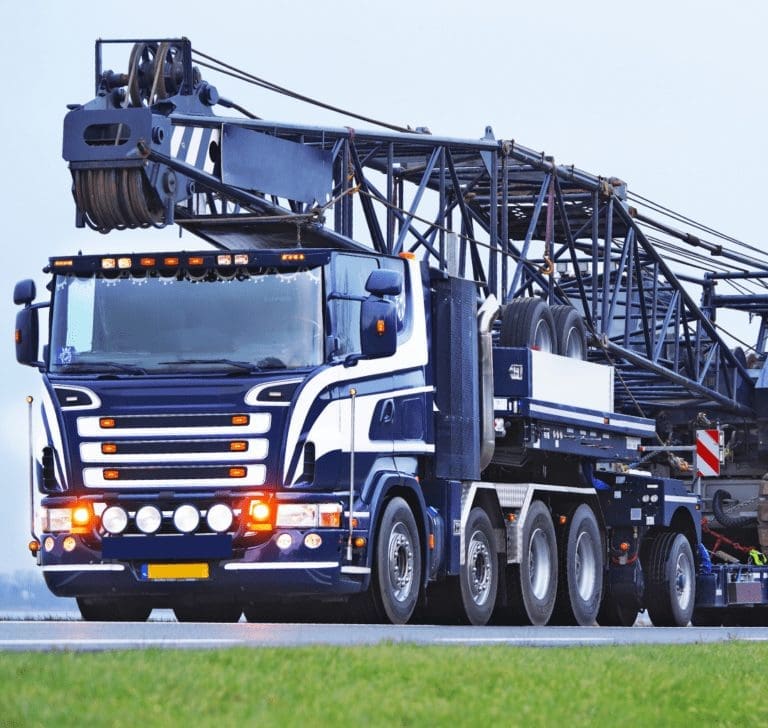
The California Senate may soon vote on a bill that would clarify the maximum gross weight limit
The California State Assembly is about to approve a bill that sets weight limits for trucks powered by natural gas and electric batteries. Previously, adjustments have been made to weight limits for these vehicles: in 2015, a federal law increased the allowed weight to 80,000 pounds, and in 2019, California authorized an additional 2,000 pounds in the power unit to account for the extra weight of batteries, fuel cells, and tanks. Federal law permits states to increase weight limits on interstate highways within their borders.

Assembly Bill 1953: additional weight limit in California
The California Senate may soon vote on a bill that would clarify the maximum gross weight limit for near-zero or zero-emission vehicles. Sponsored by Assemblymember Carlos Villapudua, AB1953 would set the maximum gross weight limit for these vehicles at 82,000 pounds, including the additional weight in the power unit and in the tractor-trailer combination.
However, the bill’s analysis warns that fleets operating up to 82,000 pounds on non-federally funded roads might face liability due to the current wording of California’s vehicle code.
Villapudua noted in the bill’s analysis that AB1953 aims to clarify the existing legislation concerning zero-emission (ZEV) and near-zero emission (NZEV) vehicles. Advocates of the bill have pointed out a discrepancy between the federal and state weight exemptions, fearing that the difference might limit the exemption to the vehicle alone rather than the tractor-trailer combination.
The bill seeks to resolve this ambiguity by ensuring that the power units of ZEVs and NZEVs can exceed the weight limit by up to 2,000 pounds, up to a total of 82,000 pounds. A report from the Institute of Transportation Studies at the University of California estimates that battery-electric trucks weigh 1,500 pounds more than diesel trucks, hydrogen fuel cell trucks weigh 2,267 pounds more, and natural gas trucks weigh between 500 and 2,000 pounds more, complicating the uniformity of weight across all types.
If the Senate approves AB1953, the bill will return to the Assembly for final approval before being sent to the governor.

Middle East and labor data shake financial markets
The U.S. financial markets are experiencing a session marked by volatility and growing investor fear.

California cancels 13,000 non-domiciled CDLs
California revoked 13,000 non-domiciled commercial driver’s licenses after the March 6 deadline.

DOT Invites Small Businesses to Join Major Infrastructure Projects
The U.S. Department of Transportation (DOT) has launched a nationwide tour aimed at connecting small businesses with contracting opportunities in infrastructure projects across the country.

Oil on the Rise: What Could Happen to Fuel Prices and the Plan the U.S. Is Considering
As markets decline and oil prices surge, the United States is considering releasing strategic reserves while the logistics industry closely monitors the potential impact on diesel prices

The war in Iran is challenging the logistics of US ports
The escalating conflict in the Middle East is creating uncertainty on global shipping routes. It threatens to raise diesel prices and overcrowd ports like those in California, directly impacting the profitability of shipping.

Women in trucking share essential safety tips for the road
For women, safety on the road not only involves vehicle maintenance, but also a series of actions focused on personal protection and the constant prevention of risks.