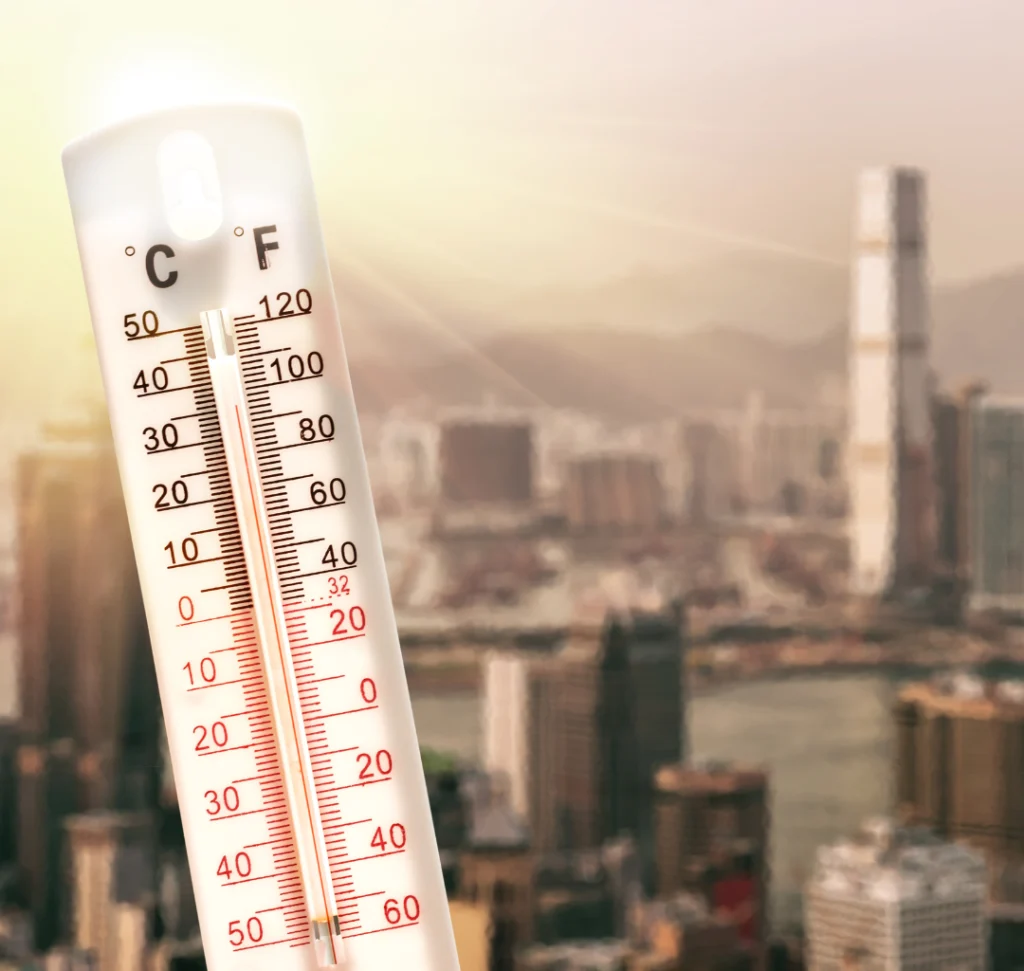
The last days of July will bring a heat wave of up to 100°F, potentially affecting 100 million people or more across the country.
A heat wave is about to sweep across much of the United States. According to AccuWeather data, the last days of July will bring temperatures reaching up to 100°F, potentially affecting 100 million people or more across the country. This heat wave, combined with intense sunshine and high humidity, could have serious consequences for people in several states.
So, get your air conditioner ready, plan that beach trip, and stay well-hydrated—because these temperatures are expected to be between 5 and 15°F above the historical average for this time of year, AccuWeather reports.

Heat wave to expand across the U.S.
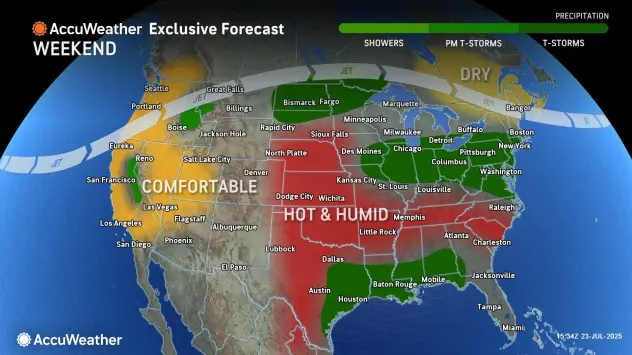
Temperatures will reach up to 100°F from Texas to western Tennessee over the next two weeks. A strong area of high pressure, along with a northward bulge in the jet stream, will be the main drivers of the intense heat and sunshine. At the same time, AccuWeather reported that the Gulf of Mexico and the Atlantic Ocean will contribute high levels of humidity to the region. In the central states, where vast crop fields are in the middle of their growing season, moisture evaporating from corn stalks will also help raise humidity levels.
AccuWeather Chief Meteorologist Brett Anderson stated that, due to high humidity and light winds, afternoon temperatures could feel like 110 to 115°F in the states bordering the western Gulf of Mexico, as well as in Oklahoma, Arkansas, and parts of Missouri, Illinois, Indiana, and Tennessee.
The heat wave is expected to spread eastward and northwestward by the end of the week, with its epicenter in the central U.S. By late July and early August, it could also expand to include much of the interior western United States, according to meteorological reports.
Although only a few storms are expected, they may be intense around the edges of the heat dome. Additionally, there is a risk of flash flooding in storm-affected areas due to the high humidity, which increases the likelihood of extreme rainfall.

How to stay safe during a heat wave
Heat waves can pose a serious risk to your health. That’s why it’s essential to know how to stay safe during these periods of extreme heat. Below are the official recommendations from the National Weather Service (NWS) to protect yourself and others during a heat wave:
- Reduce, eliminate, or reschedule strenuous activities to the coolest parts of the day. People especially vulnerable to heat—such as children, the elderly, those with chronic illnesses, and pregnant individuals—should stay in the coolest available location.
- Wear lightweight, loose-fitting, and light-colored clothing to reflect heat and sunlight.
- Minimize direct sun exposure.
- Eat light, fresh, and easy-to-digest foods like fruits or salads.
- Drink plenty of water and non-alcoholic, non-caffeinated fluids—even if you don’t feel thirsty.
- Use air conditioning or fans, and spend time in air-conditioned places like shopping centers or libraries.
- Do not point electric fans directly at yourself when room temperatures are above 90°F, as dry air can increase dehydration.
- Bathe or shower with cool water.
- Check in on elderly, sick, or frail individuals who may need help coping with the heat. Keep children, individuals with disabilities, and pets safe during heat waves.

The best roadside attractions for truckers in the U.S.
America’s highways hide unique places that break up the routine, don’t hesitate to check out these roadside attractions along the way. The road is much

The trucker style: comfort, function, and identity
Truckers’ style is much more than workwear; it’s an identity. These are the most commonly worn garments among truckers. Truckers’ style is much more than

Chaos on Highway 61: Viral Wrong-Way Truck Video Reignites the CDL Debate
An 80-ton tractor-trailer traveling miles in the wrong direction on Missouri’s Highway 61 has reignited a nationwide debate over Commercial Driver’s License (CDL) standards, training

How technology affects driver retention
Friend or foe? 52% of drivers say technology directly influences their decision to stay with or leave a fleet. Fleet telematics company Platform Science published

Dalilah Law seeks to remove non-english speaking commercial drivers
President Donald Trump proposed the “Dalilah Law,” an initiative aimed at prohibiting undocumented immigrants from obtaining commercial driver’s licenses. On February 24, President Donald Trump

FORMULA 1 and the AI That Could Transform Transportation in the U.S.
The artificial intelligence system that Formula 1 implemented to monitor every car on every turn is opening the door to new applications in trucking, logistics,