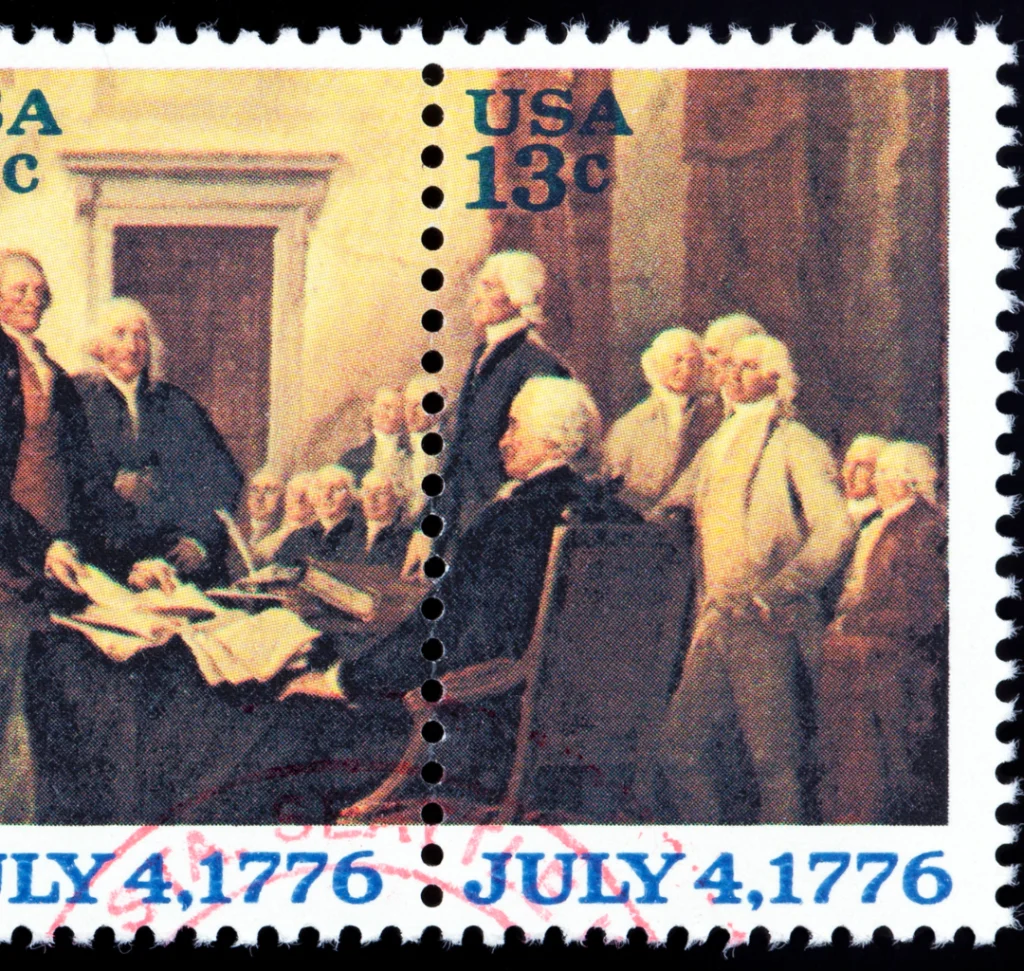
In 1776 the Founding Fathers changed history forever with the first draft of what would become known as the Declaration of Independence.
In May 1776, John Adams took the initiative that would change history forever. Adams, who had previously drafted the Massachusetts Constitution, organized the committee responsible for preparing the first draft of what would become known as the Declaration of Independence.
The task of writing the document was assigned to Thomas Jefferson, the youngest delegate to the Continental Congress at just 33 years old. Adams believed Jefferson should take on this responsibility because of the impact of his earlier work, “A Summary View of the Rights of British America,“ in which he denounced King George III’s abusive treatment of the American colonists. Jefferson’s writing expressed a deep sense of justice that resonated throughout the colonies.
From that moment on, history was changed—not only for what would become the United States, but for all of humanity.

The Declaration of Independence
Since 1767, nearly a decade before the outbreak of war, the colonists had begun to question the authority of King George III due to the imposition of the Townshend Acts. These laws levied taxes on essential goods, while customs officers were stationed in cities to act as tax collectors and enforce new trade regulations.
However, the situation reached a breaking point in 1774 with the passage of the so-called Intolerable Acts, which included the Quartering Act. It was then that the people of the colonies began to awaken. On April 19, 1775, the War of Independence began with the battles of Lexington and Concord.
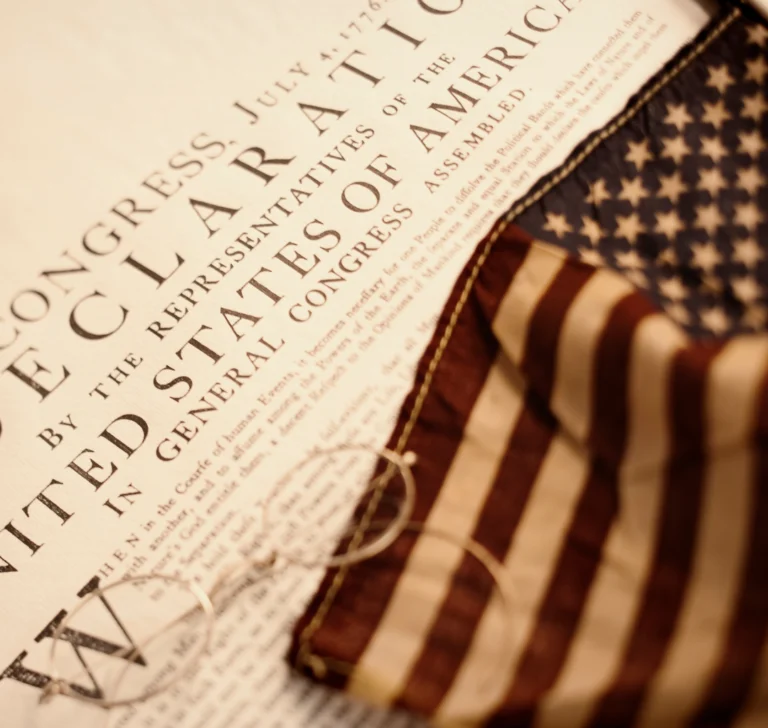
“The God who gave us life gave us liberty at the same time; the hand of force may destroy, but cannot disjoin them,” wrote Thomas Jefferson in his condemnation of King George. Inspired by that conviction and the events that followed, Jefferson drafted a document divided into three parts: the Declaration of Independence.
This document represented a legal affirmation of separation from the British Empire. It demanded freedom for the colonies and fair treatment for their people. In essence, it was a declaration of independence. The signers pledged their fortunes, their lives, and their sacred honor—risking everything for this cause.
Jefferson’s words spoke of universal human rights and were so powerful that, even today, they retain deep relevance in any political climate. This was the declaration:
“We hold these truths to be self-evident, that all men are created equal, that they are endowed by their Creator with certain unalienable Rights, that among these are Life, Liberty and the pursuit of Happiness. That to secure these rights, Governments are instituted among Men, deriving their just powers from the consent of the governed.”

July 4th: 249 Years of Independence
Although Congress voted for independence on July 2, 1776, the final draft of the Declaration of Independence was adopted on July 4 of that same year. Even so, the American Revolutionary War would continue for a total of seven years, with the decisive victory occurring in Yorktown, Virginia, in 1781.
This July 4th, the United States celebrates 249 years of independence, and for that reason, remembering the story behind the document that made it all possible is more important than ever. Tonight, as you watch the fireworks and celebrate with family, take a moment to reflect on the words that gave life to what we now know as the United States.
Happy Fourth of July!

Nashville becomes the epicenter of transportation and heavy technology
The largest transportation technology trade show in the US kicks off in Tennessee. It brings together 5,000 experts and will shape the future of trucks, artificial intelligence, and fleet maintenance.

Why Soccer is Conquering Hearts and Businesses in the U.S.
Messi’s presence in stadiums and the hosting of the next World Cup, along with other global tournaments, have transformed it into a new entertainment giant. The gradual growth of the National Team motivates the public. Million-dollar businesses, brands, and a lot of passion.

The Asphalt Code of Honor: The Invisible Social Network That Saves Lives
On U.S. highways, truck drivers often communicate through a silent language of signals, headlights, and hand gestures. This informal system of road communication helps warn others about hazards, coordinate safe passing, and reinforce a culture of safety and solidarity among professional drivers

What if the Oscars were about trucking? Hollywood characters reimagined as truckers
This week marks the 98th Academy Awards, what if the categories were inspired by the transportation industry?

TCA Professional Drivers of the Year 2026: 5 drivers who paved the road
TCA Professional Drivers of the Year selects drivers with the greatest impact, outstanding safety records, and individuals with inspiring stories that made a difference.

Unusual Stories from the Road: When Reality Outruns Logistics
From a giant magnet moving down the highway like a spacecraft to millions of bees taking over a highway, the world of freight transportation is full of events that are as strange as they are real. Some of these stories went viral, others became legends among drivers, but all of them reveal the unexpected side of logistics.