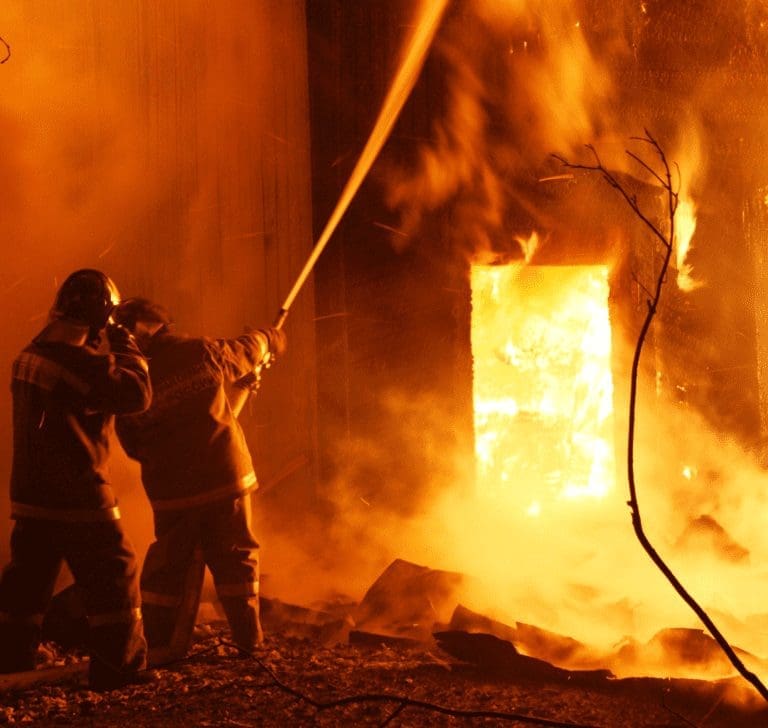
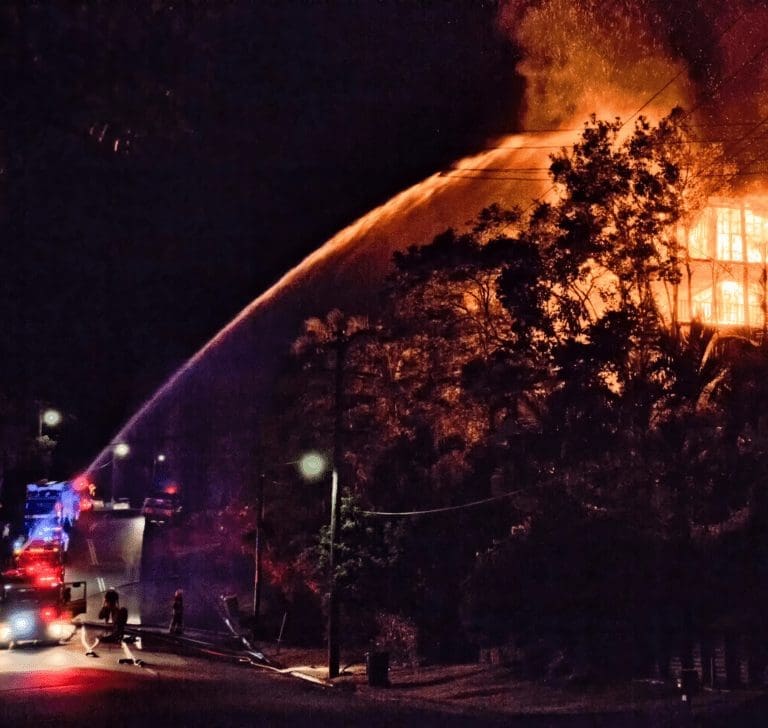
The Palisades fire has turned into an insurance crisis affecting homeowners in areas vulnerable to climate disasters.
The recent fire in Pacific Palisades has highlighted the challenges faced by thousands of Los Angeles residents when it comes to insurance policy withdrawals. This tragedy has turned into an insurance crisis affecting homeowners in areas vulnerable to climate disasters.
In recent months, there has been a trend of large insurers leaving the California market, even suspending the issuance of new policies. Faced with this situation, homeowners are forced to rely on the California FAIR Plan, a last-resort solution that provides basic fire coverage in high-risk areas.

Insurance Crisis: Fire Risk Increases Migration to FAIR Plan in California
The migration to the FAIR Plan has been particularly notable in Pacific Palisades. In 2024, approximately one in every seven homes relied on this coverage, a significant increase from the 400 homes that did so in 2020. The growth in the number of homes insured by this plan reflects homeowners’ fear of the devastating wildfires that strike the region and the shortage of traditional insurance options.
The Palisades fire could become the most expensive in history due to the high cost of homes in the area, which have an average value of $3.1 million. This disaster has exacerbated an already tense situation in the California insurance market, which has seen more than 100,000 residents lose their insurance since 2019.
The situation in California reflects global challenges arising from climate change, which is reshaping not only the region’s landscape but also the economic and social dynamics of communities most affected by natural disasters. With the rise of wildfires and climate change as risk factors, the problem is expected to extend beyond California, impacting other states like Florida and Louisiana as well.

New insurance coverage regulations, the light at the end of the tunnel?
Despite everything, there is still hope. On Monday, a new regulation was announced in California that will require insurers to offer coverage in areas prone to wildfires. The goal is for homeowners to stop relying on the FAIR Plan, whose average cost is $3,200, double the typical cost.
The regulation requires insurers to increase their coverage in these high-risk areas by 5% every two years until they reach 85% of their market share. In exchange, the state will allow insurers to pass reinsurance costs on to consumers. Some opponents fear this will raise premiums by 40% and question the speed of implementation. Meanwhile, here are some actions to take during the crisis that California is currently experiencing.

Insurance tips for homeowners after a fire
- Prioritize safety: residents should ensure the safety of themselves, their family, and pets.
- Contact the insurer: it’s crucial to get in touch with the insurer as soon as possible.
- Document damage: upon returning home (if possible), take photos and videos of the damage and keep a detailed log.
- Record interactions and expenses: keep a record of all interactions with the insurer and expenses incurred (accommodation, food, repairs).
- Verify contractors: if immediate repairs are made, research contractors and ensure they are properly licensed.
- Avoid scams: post-disaster scams are common, so precautions should be taken when hiring services.
- File a claim with the insurer: if the claim is not being handled properly, contact the California Department of Insurance.
- Mitigate future risks: implement measures to reduce fire risks, such as fire-resistant roofs and clearing flammable vegetation near the home.
For more insurance-related questions, call the California Department of Insurance at 800-927-4357. For more information on wildfires, visit the website www.insurance.ca.gov.

Controlling road rage: a guide for truck drivers
The three key steps to help truck drivers control road rage.

New identification process for the Drug and Alcohol Clearinghouse
The FMCSA has begun implementing new identity verification requirements for the Drug and Alcohol Clearinghouse.

OPEC: What the United Arab Emirates Exit Means for U.S. Fuel Costs and Logistics
The departure of the United Arab Emirates from the Organization of the Petroleum Exporting Countries is reshaping the global oil market, introducing price volatility and creating new challenges for diesel costs, freight operations, and fleet planning across the United States.

Trucks only: Georgia plans dedicated commercial vehicle lanes on I-75
The Georgia Department of Transportation has begun developing a project that plans to add commercial vehicle lanes on I-75.

Tesla Semi moves toward scale
Tesla’s electric truck is already on the road—now the real challenge is scaling production for the freight industry

New US transportation map: adapt without wasting time
The U.S. government has implemented sweeping changes to regulations governing freight transportation, affecting everything from who can be behind the wheel to mandatory in-cab technology. This is an effort to strengthen safety and operational transparency.