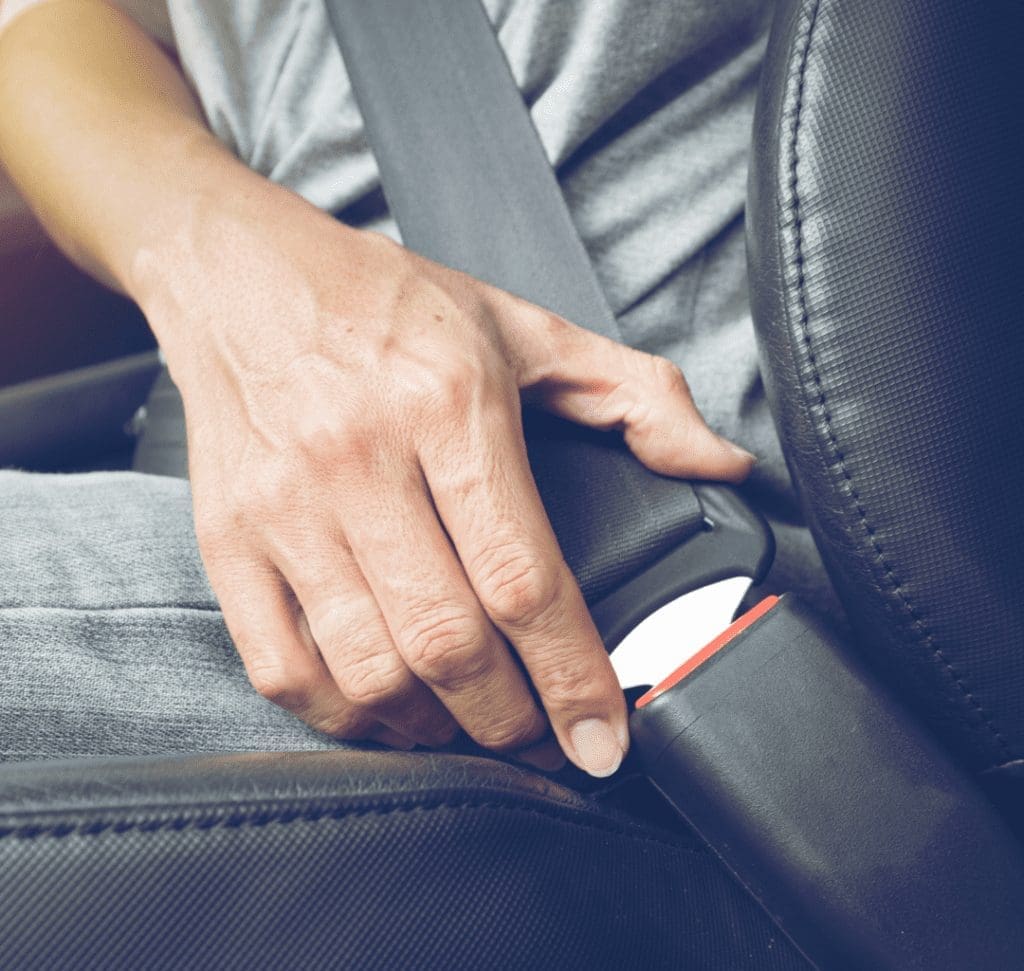
Seven out of ten truck drivers involved in fatal accidents were not wearing seatbelts
During an annual research forum, the FMCSA presented the latest data on seatbelt non-usage statistics. Despite years of warnings from road safety experts and regulatory bodies to truck drivers about the potential dangers of not wearing seatbelts, a large percentage disregards these instructions, resulting in tragic accidents for those who choose to ignore the warnings.
According to the data presented by the FMCSA during the research forum, around seven out of ten truck drivers involved in fatal accidents were not wearing seatbelts. The FMCSA shared that in the year 2022, a total of 916 truck drivers died in accidents, and out of that total, 635 were not wearing seatbelts, accounting for 69.3% of deaths in road accidents.
Jessica Powell, from the accident data analysis agency, explains how this data is used to better understand why this trend persists and how it can be reduced. The agency emphasizes that seatbelts are essential to keep the driver in place and control the vehicle during a crash, distributing impact forces and minimizing injuries.

Myths about seatbelt usage
Regulations require drivers to use seatbelts, with section 392.16 of the FMCSA regulations clearly stating that a commercial motor vehicle with a seatbelt installed on the driver’s seat should only be driven once the driver is properly secured with the seatbelt.
The FMCSA compares rejecting seatbelt usage to rejecting a free insurance policy; ensuring safety while driving should always be a priority. However, the agency and safety groups like the Insurance Institute for Highway Safety assert that there are seven common myths about seatbelt usage, which are:
- Wearing a seatbelt is a personal decision that does not affect anyone else
- Seatbelts hinder escaping from a vehicle on fire or submerged
- A large truck does not receive the same impact as a compact vehicle, so seatbelts are unnecessary
- Seatbelts are not necessary at low speeds
- Good drivers do not need to wear seatbelts
- Buckling the seatbelt 20 times a day consumes too much time
- It is better to be ejected in case of an accident
John Sova, a roadside inspection specialist from the CVSA, warns that officers will stop truck drivers who are not wearing seatbelts. Some drivers fasten their seatbelts just before a roadside inspection, while others simply refuse to do so. Ensuring safe travels requires drastic measures as fatality numbers continue to rise.

Controlling road rage: a guide for truck drivers
The three key steps to help truck drivers control road rage.

New identification process for the Drug and Alcohol Clearinghouse
The FMCSA has begun implementing new identity verification requirements for the Drug and Alcohol Clearinghouse.

OPEC: What the United Arab Emirates Exit Means for U.S. Fuel Costs and Logistics
The departure of the United Arab Emirates from the Organization of the Petroleum Exporting Countries is reshaping the global oil market, introducing price volatility and creating new challenges for diesel costs, freight operations, and fleet planning across the United States.

Trucks only: Georgia plans dedicated commercial vehicle lanes on I-75
The Georgia Department of Transportation has begun developing a project that plans to add commercial vehicle lanes on I-75.

Tesla Semi moves toward scale
Tesla’s electric truck is already on the road—now the real challenge is scaling production for the freight industry

New US transportation map: adapt without wasting time
The U.S. government has implemented sweeping changes to regulations governing freight transportation, affecting everything from who can be behind the wheel to mandatory in-cab technology. This is an effort to strengthen safety and operational transparency.