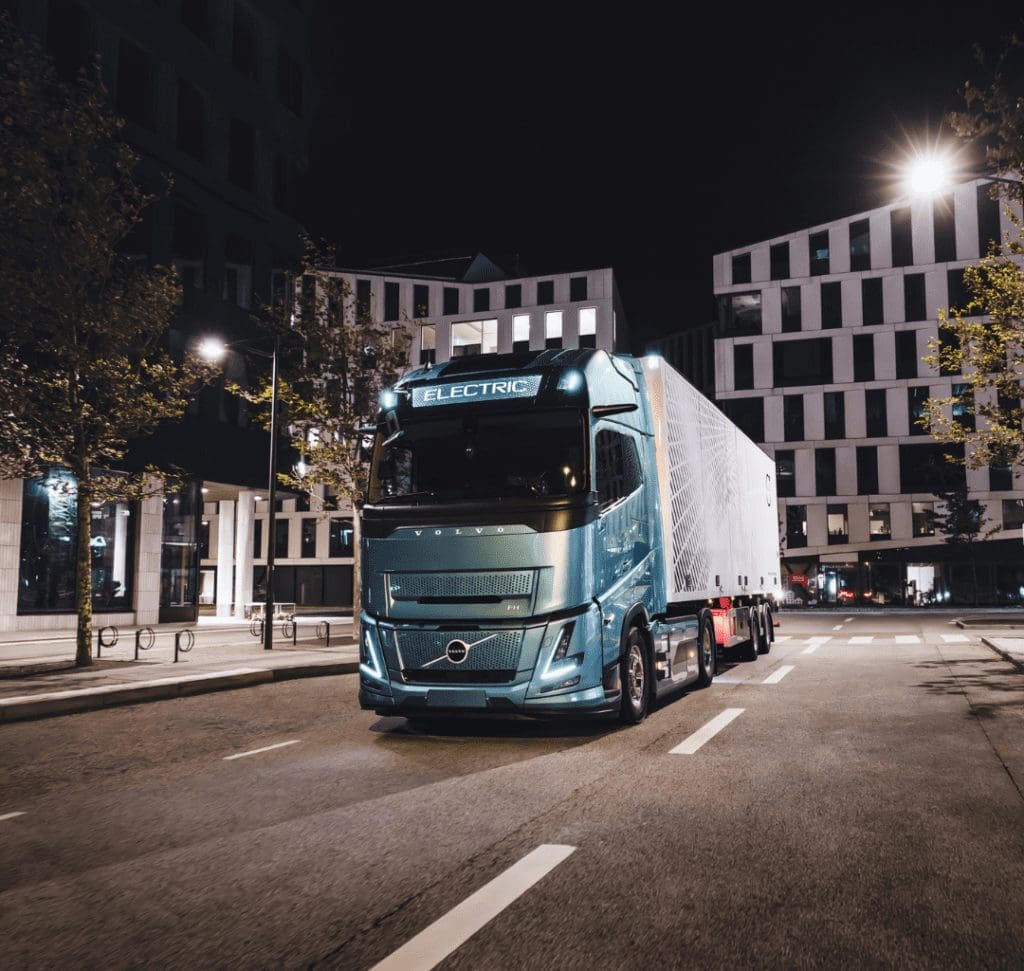
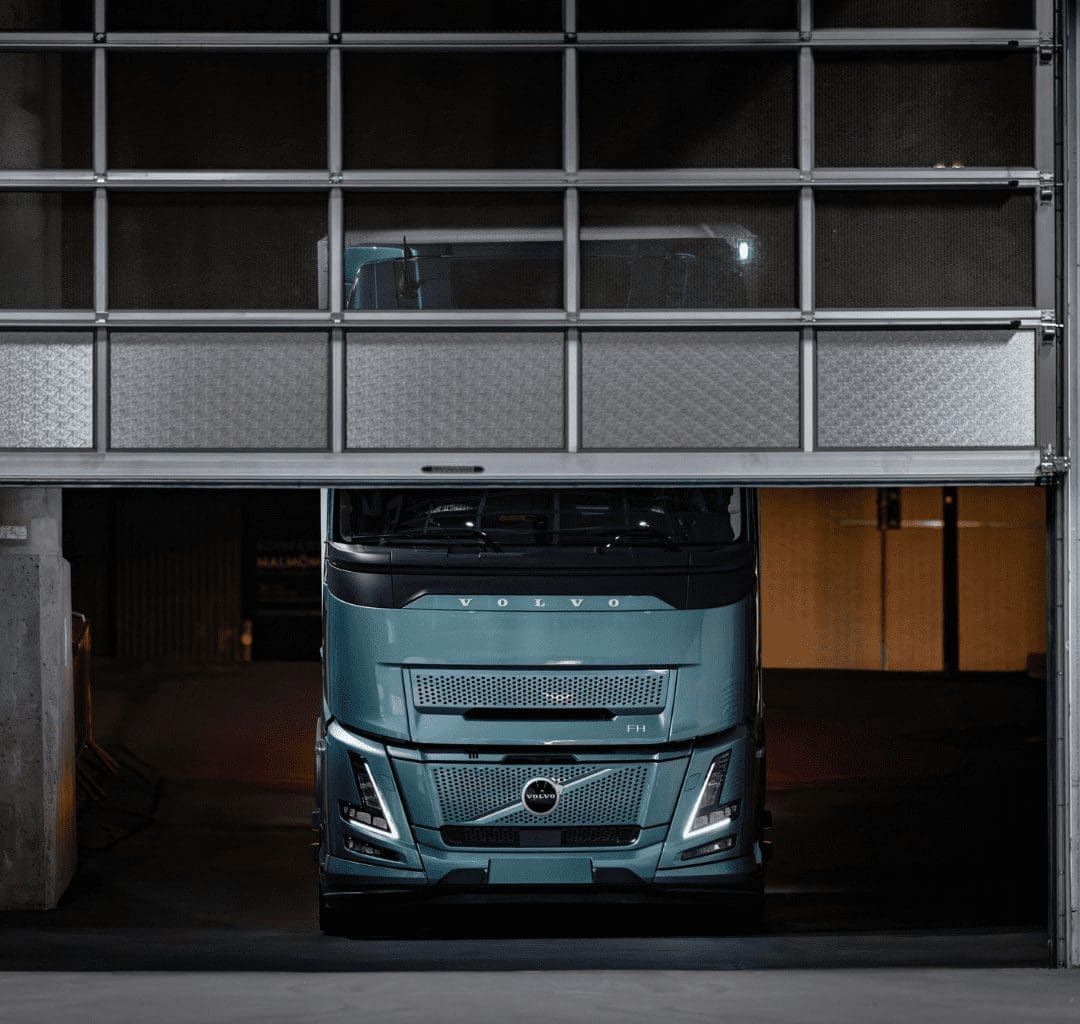
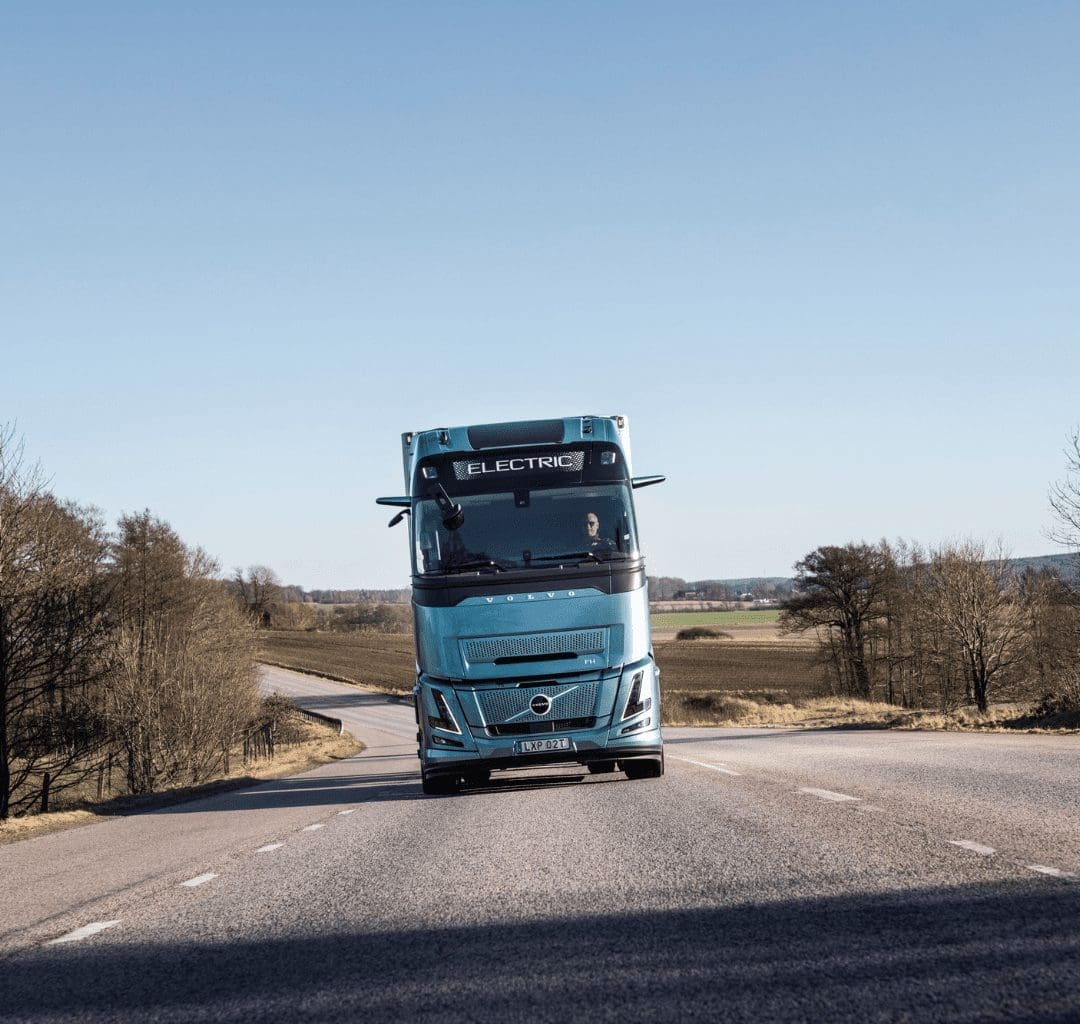
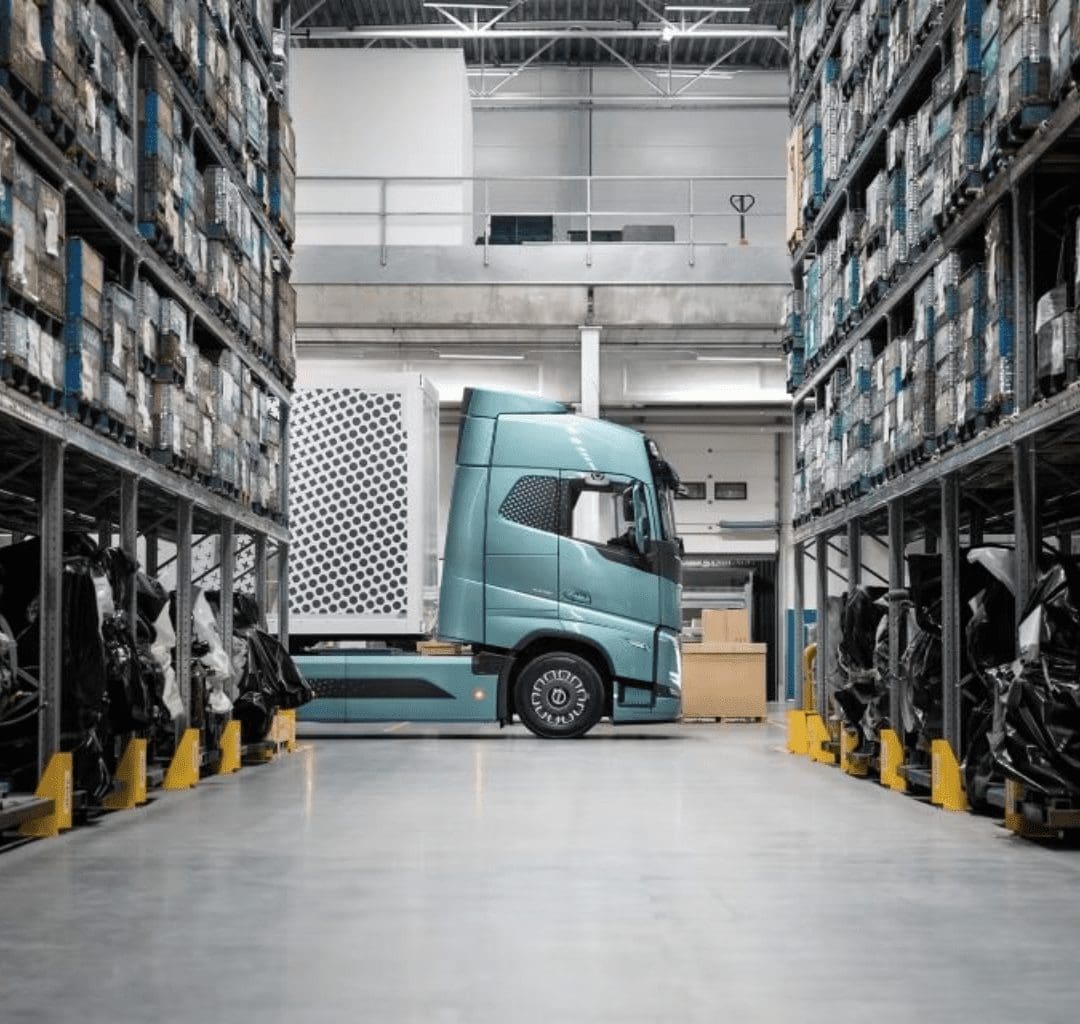
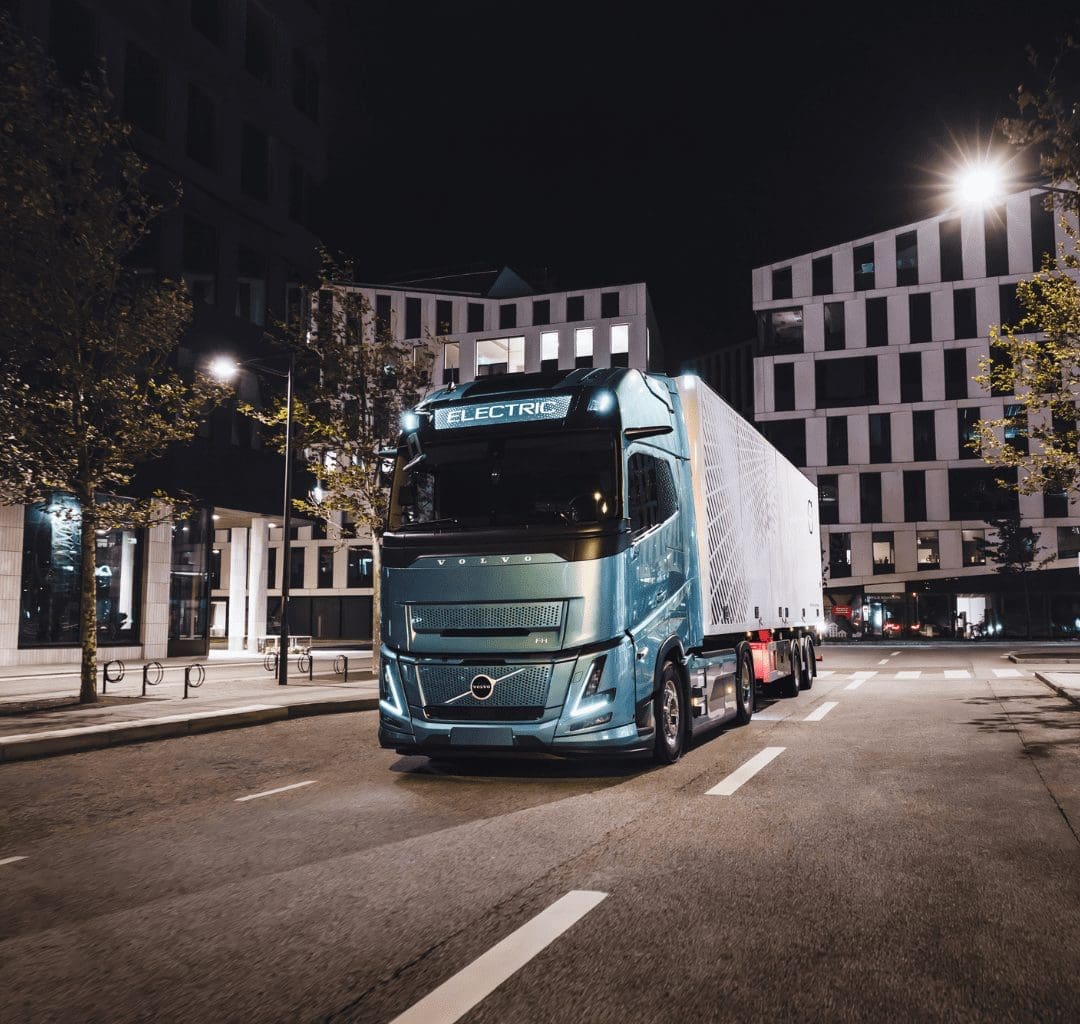
The new version of the FH Electric will benefit from a series of technological innovations
Volvo Trucks has announced a significant improvement in the range of its FH Electric truck model: it is expected to reach approximately 372 miles on a single charge, a considerable advancement from the current range of up to 300 miles. This updated model of the Volvo FH Electric will be available in the second half of 2025 in Europe, marking a milestone in electric mobility for heavy-duty transport.
The new version of the FH Electric will benefit from a series of technological innovations that will enable a significant increase in battery storage capacity, resulting in a key shift to extend the truck’s range. Additionally, it will feature more efficient batteries, an improved battery management system, and an optimized powertrain, contributing to the truck’s greater range.
Roger Alm, President of Volvo Trucks, states that this truck will enable emission-free transport for truly long distances, offering an ideal solution for transportation companies operating with high annual mileage who are looking to reduce their carbon emissions.
The company also gave a first look at the VNL 440 Electric at a press event held in June this year. The redesigned VNL was launched in January and is also designed to be a platform for future hydrogen fuel cell engines and hydrogen internal combustion systems. Orders for the VNL Electric are expected to open in the last months of 2025 or early 2026.
Volvo Trucks: leading the international electric truck market
Currently, Volvo Trucks North America’s electric battery range includes five VNR Electric models. To support the expansion of its product line, as well as that of its sister company Mack Trucks, Volvo is building a new manufacturing plant in Monterrey, Mexico, with an investment of approximately $700 million. This plant, expected to be operational by 2026, will be strategically located to facilitate access to the southwestern and western U.S. markets, as well as Mexico and Latin America.
The Monterrey plant, covering 1.7 million square feet, will complement Mack’s facilities in Lehigh Valley, Pennsylvania, and Volvo Trucks North America’s plant in New River Valley, Virginia. The latter, which began full operations on June 21, is also the manufacturing center for the VNR Electric and will benefit from a $400 million renovation.
To date, Volvo Trucks has delivered over 3,800 electric trucks to customers in 46 countries and has ambitious goals for the future. The company aims for 50% of its sales to be electric by 2030 and for its customers to operate zero-emission fleets by 2050. With these goals, Volvo continues to pave the way towards a more sustainable and eco-friendly transportation industry.

Nevada’s Runaway Ramps Save Lives
Runaway ramps on highways help stop vehicles experiencing brake failure, saving lives on the road.

California Highway Patrol Inspections: What They Check on Commercial Trucks and How to Prepare
Learn what the California Highway Patrol checks on commercial trucks in California, including brakes, tires, documents, hours of service, and safety.

Indiana, the RV Capital of the World: The Business Behind America’s RV Industry
Indiana accounts for the vast majority of RV manufacturing in the United States. But behind the factories is a lesser-known business: delivering brand-new recreational vehicles to dealerships across the country. Who are the drivers making these trips, how does the delivery business work, and when is a commercial driver’s license (CDL) required?

Texas Warns of Flooded Roads as El Niño Approaches
The Texas Department of Transportation (TxDOT) is warning drivers about hidden dangers beneath floodwaters, penalties for ignoring road closures, and precautions truckers should take ahead of a potentially wetter and stormier 2026–2027 winter.

The United States is growing, but sustaining that growth is becoming increasingly difficult
The country continues its economic expansion, but debt, interest rates, and inflation are driving up the cost of financing for businesses, households, and even the government itself.

USDOT Announces More Than $1.6 Billion to Rebuild Damaged Infrastructure
The United States will allocate more than $1.6 billion to repair roads, bridges, and transportation infrastructure damaged by hurricanes and floods.