Recent developments in the transportation industry
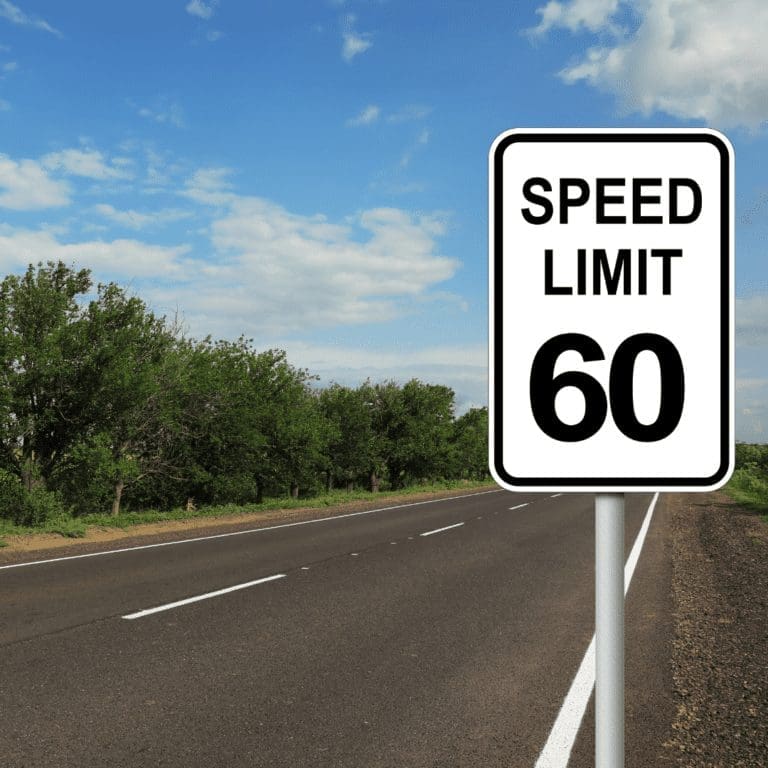
Pending FMCSA speed limiter regulation proposal.
The U.S. Department of Transportation (DOT) had initially set December 29 as the date for the release of the supplemental notice from the Federal Motor Carrier Safety Administration (FMCSA) regarding the speed limiter regulation proposal, as announced in September.
However, significant regulations must undergo prior review by the White House Office of Management and Budget before being published for public comments. Given the missed deadline, the agency has not provided clarity on the timeframe before the proposal can be published.
The review process may take several months, as evidenced by a previous speed limiter proposal that spent 15 months under review before being included in the Federal Register. Considering these factors, it may be one or two months into 2024 before a formal proposal on speed limiters is published.
Truckers expressed opposition to the 2022 advance notice in approximately 15,000 comments submitted to the FMCSA, citing concerns about speed differentials, increased stress, and the inability to accelerate in dangerous situations.
The Owner-Operator Independent Drivers Association, representing small business truckers, opposes mandatory speed limiters, advocating for states to set their own limits. Additionally, legislators introduced the DRIVE Act in both the House and Senate, aiming to prevent the FMCSA from imposing speed limits.
Despite opposition, the FMCSA remains steadfast in its decision on a speed limiter proposal. The next step is for it to be published for evaluation and public comments.

Fee adjustments for Oregon Department of Motor Vehicles Transactions.
Starting on January 1, fees for driver’s licenses and related services in Oregon will experience an increase, according to a statement from the Department of Motor Vehicles.
These increases, including fees for commercial licenses, result from state legislation intended to help the DMV cover costs and prevent service reductions. The new law impacts various fees, such as plate transfers, replacements, and manufacturing, among others. CDL-related fee increases include:
- Commercial Driver’s License (CDL) – from $75 to $160
- Original Commercial Learner’s Permit – from $23 to $40
- CDL Renewal – from $61 to $104
- CDL with Motorcycle – from $89 to $132
- CDL Replacement – from $26 to $30
- Commercial Learner’s Permit Replacement – from $26 to $30
- Commercial Driver Skills Test – from $70 to $145

Weekly fuel prices experience a decrease in early 2024.
According to the latest ProMiles.com report published on January 2, the national average diesel price is now $3.92 per gallon, showing a slight decrease of nine cents compared to the previous week.
ProMiles reports the average diesel price by region in the U.S. on January 2 as follows:
- East Coast – $4.09
- West Coast – $4.748
- California – $5.307
- Central Atlantic – $4.378
- Lower Atlantic – $3.896
- Midwest – $3.734
- Gulf Coast – $3.573
- Rocky Mountains – $3.849


Commercial Driver’s License (CDL) in Washington: A Guide for Truck Drivers
For those looking to work as professional drivers in the state of Washington, obtaining a Commercial Driver’s License (CDL) is one of the most important

The Growth of Intermodal Transport in Washington: The New Inland Hub Gets Moving
The Tri-Cities Inland Logistics Hub and a new rail link in Pasco are driving intermodal transport growth in Washington.

The Main Truck Bottlenecks in Washington in 2026
The I-5 bridge over the Columbia River is the worst truck bottlenecks in Washington and Oregon.

Guide to Permits for Oversize Vehicles in Washington
Transporting an oversize vehicle, machinery, or load on Washington state highways can require a special size and weight permit. Learn when a permit for oversize load is needed.

High-Value Cargo Leaving Washington Ports: Why a Standard Policy May Not Be Enough
Electronics, machinery, industrial components, and other goods can concentrate hundreds of thousands of dollars in a single trailer. For carriers operating out of Seattle and Tacoma, knowing the true value of what they are hauling can be just as important as knowing the route.

Florida Highways for Truck Drivers: How the State’s Road System Works
Florida organizes its highway network into seven FDOT districts, along with Florida’s Turnpike. Here’s how the system works and what this division means for truck drivers and motor carriers.