Essential steps to keep vehicles in top condition and ensure a successful 2024 in the transportation industry.
The new year brings with it the need for crucial maintenance to ensure optimal truck performance, crucial for the smooth flow of goods locally and internationally.
Beyond preventing costly breakdowns, regular maintenance protects operators from potential legal implications of traffic accidents, extends the lifespan of trucks, and contributes to road safety. Discover essential steps to keep vehicles in top condition and ensure a successful 2024 in the transportation industry.
Tire Maintenance and Rotation.
Proper tire care is fundamental for truck safety and efficiency. Regular inspection of tire pressure, adjusting it according to manufacturer recommendations, is crucial to avoid irregular wear, excessive fuel consumption, and performance loss. Additionally, periodic tire rotation helps distribute wear, extending tire lifespan and preventing traction, fuel efficiency, and braking issues.
Truck owners should monitor the overall tire condition, identifying potential damage. Proactively replacing tires when necessary prevents punctures and ensures stability on the road.

Fluid Level Inspection.
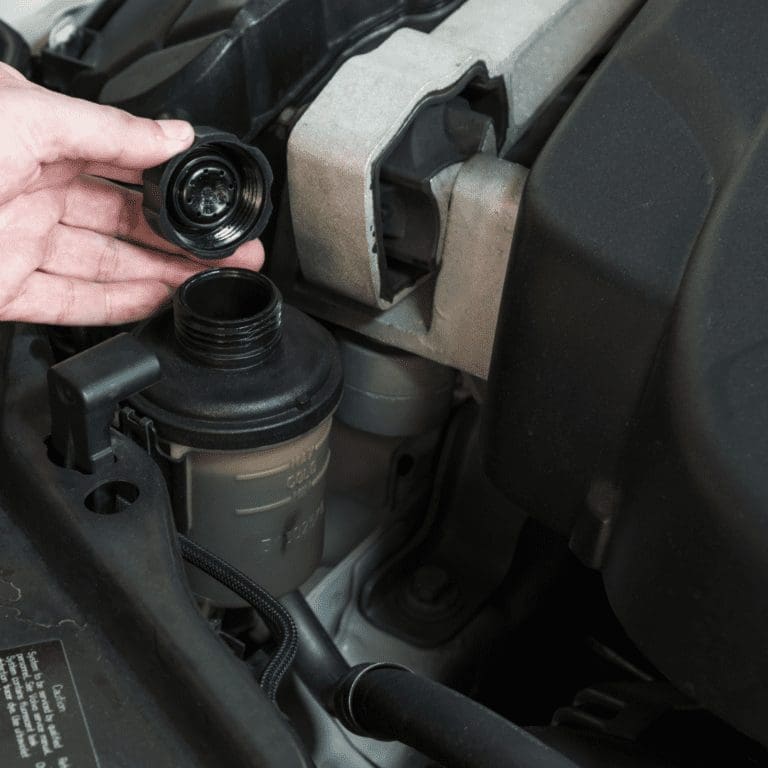
Trucks operate with various fluids, including engine oil, transmission fluid, brake fluid, and coolant. An essential practice in truck maintenance is the periodic inspection of fluid levels. Ensuring they remain at optimal levels is essential for proper functioning and vehicle longevity.
Always ensure to carry essential tools to check and replenish necessary fluid levels, ensuring your truck’s optimal performance.

Updates and Maintenance of Electronic Systems.
For drivers with electric trucks or electronic systems in their operation, maintaining and updating the software of these systems is crucial for optimal performance. Keeping this software up-to-date is key to the optimal functionality of trucks and addressing potential security vulnerabilities.
Updates provided by the truck manufacturer often include improvements in fuel efficiency, emission control, and overall performance. Ignoring these updates can result in suboptimal performance and increased fuel consumption.

Scheduled Inspections and Regular Tune-Ups.
Regular engine tune-ups are essential for preventive truck maintenance, involving inspection and care of various components to ensure optimal performance. This practice includes checking spark plugs, fuel injectors, air filters, and the ignition system.
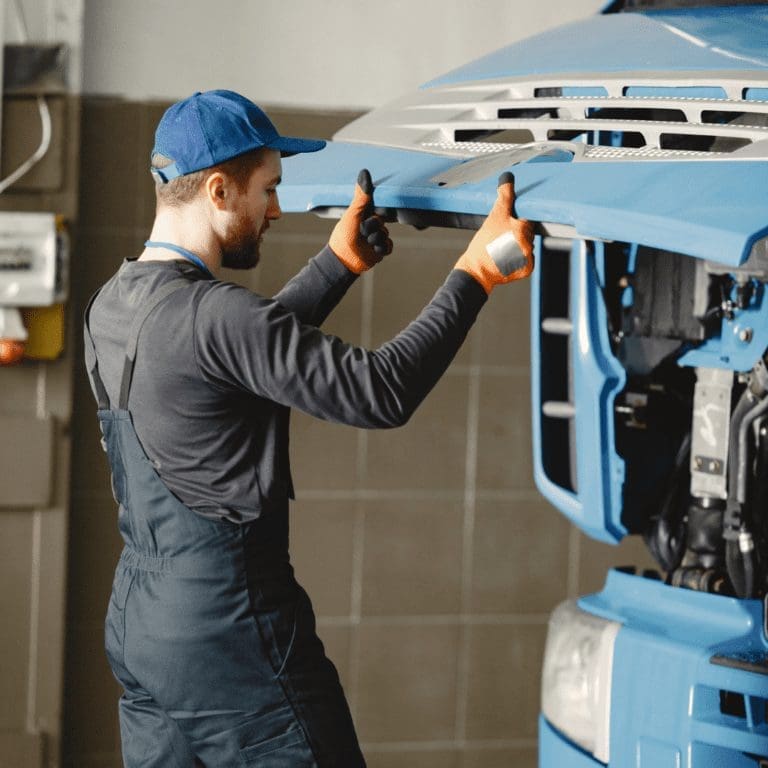
Having periodic assistance from an expert is crucial to optimize vehicle performance and detect potential issues not visible to the naked eye. It is essential to have a trusted mechanic available for both emergency situations and regular check-ups.


Trucking in Alaska and Hawaii: How America’s Non‑Contiguous States Break the Mold
When you step outside the contiguous U.S. and look at Alaska and Hawaii, the trucking industry becomes a very different story

FMCSA updates its coercion rule for drivers facing HOS and ELD pressure
The FMCSA’s updated guidance explains that the “coercion rule” is intended to protect commercial motor vehicle drivers.

New York Can Suspend Driver’s Licenses Over Tax Debt
New York has once again put the spotlight on driver’s license suspensions tied to unpaid state taxes, a situation that could affect thousands of transportation, delivery, and logistics workers who depend on driving to earn a living. For commercial drivers and CDL operators, the consequences can go far beyond a simple fine.

What you need to know about CVSA’s International Roadcheck 2026
The first annual inspection, as every year, kicks off with the International Roadcheck, also known as DOT Blitz Week. Here’s what you need to know.

Tariff Shock: Why U.S. Freight Demand Is Suddenly Surging
Companies are cutting inventories to avoid rising tariff-related and storage costs, forcing goods to move faster and in smaller batches. The unexpected result: stronger trucking demand

Bot Auto completes its first driverless commercial highway shipment
Bot Auto has completed its first long-distance commercial shipment without a driver in the cab or a remote operator.