It is the third company approved. They can travel longer distances.
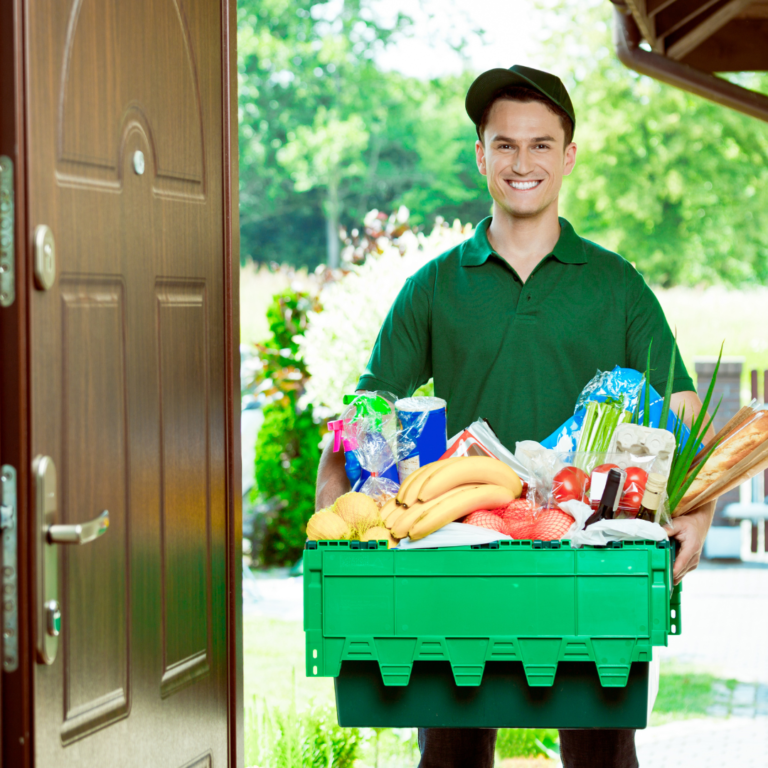
The history of delivery, as we know it today, had its birth 200 years ago. With the famous horse-drawn carts, street vendors brought milk, candles, meat, bread, and dried products closer to the houses. From those horses of yesteryear and from those vendors there is a long way to go. By bicycles, motorcycles, utility vehicles and even by rollers and skateboards. Everything has been tried. Now and for the first time, drones will literally fly orders to homes.
Both UPS and uAvionix Corp. were authorized by the Federal Aviation Administration (UPS, on September 6) to operate longer distance drones. These friendly flyers will be able to deliver orders, take pictures and even carry out aerial inspections. Another company awaiting approval is called Zipline International Inc.
A third company is also added to the list of those allowed. “On August 24, the agency authorized Phoenix Air Unmanned to operate SwissDrones SVO 50 V2 Beyond Line of Sight (BVLOS) drones for aerial work, aerial photography, reconnaissance and patrolling, and inspection of power lines and pipelines,” the agency reported.
Thus, the sky is imposed as a new way to escape the traffic and to quickly carry the purchases of the users without so many personnel in charge. In a statement to the press the FAA detailed: “The data collected from these operations will inform the FAA’s ongoing policies and regulatory activities”.

Flying at low altitude can generate some risk of coalition, for this reason the Administration is studying the new rules to regulate this new flow of drones that will be able to go much further than the eye of whoever operates them.
New trend or fad? The history of deliveries will define it over time. A curious detail: the first documented home delivery in the world happened in Italy. The story goes that one night in 1889, King Umberto and Margherita wanted to eat pizza and asked Raffaele Esposito to take them to his palace in Naples.
In the United States, the rise of this service grew in the United States in 1950. With the television boom, restaurants began to notice that diners preferred to stay at home. And that’s why they started taking their delicacies home. They advertised them, of course, on TV.

U.S. labor market raises red flags on Wall Street
The U.S. labor market closed 2025 with clear signs of weakening, as evidenced by the latest employment data released in December. In the latest episode

DOT finds half of North Carolina CDLs were issued illegally
The DOT warns that half of North Carolina’s CDL licenses are irregular after a federal audit uncovered serious compliance failures. The findings directly affect truckers, fleets, and transportation companies, raising urgent questions about road safety, legal operations, and the future of the trucking industry.

California’s Unhealthy Air: Impacts on Trucking and Freight
Unhealthy Air Quality in California: What Repeated Pollution Alerts Mean for Trucking and Freight Operations

Global Road Freight on Track to Hit USD 5 Trillion by 2033
Global Road Freight on Track to Hit USD 5 Trillion by 2033 as e-commerce growth, supply chain restructuring, and technology adoption accelerate demand for road-based cargo transport worldwide.

California misses DOT deadline risking $160 million in federal funding
The state of California has reached the deadline set by the DOT to take action regarding the situation involving the number of non-domiciled CDLs issued

Health on Wheels: How to Prevent the Most Common Conditions on the Road
Health on wheels matters for anyone who spends long hours on the road. How to prevent the most common physical and mental conditions and maintain healthier routines while working behind the wheel.