Hiring more experienced drivers involves prioritizing those with clean records and more incident-free years on the roads.
In the course of 2023, the transportation sector faced a persistent shortage of drivers, leading several companies to lower requirements for applicants and hire less experienced drivers to fill vacancies. Although this may seem like an immediate solution, what companies overlook is that these practices can increase business risk, resulting in higher insurance premiums.
The Federal Motor Carrier Safety Administration (FMCSA) regulates the safety of commercial vehicles and, through its Compliance, Safety, and Accountability (CSA) program, imposes high standards on carriers and drivers. The Safety Measurement System (SMS) quantifies safety performance, assessing seven key areas (BASIC) such as unsafe driving and vehicle maintenance. Data is updated monthly online, organized into percentiles based on factors like violations, severity, timeliness, and operations.
Insurers use these percentiles to set premiums, with high values indicating risk and impacting costs and coverage. Companies focused on risk mitigation maintain low percentiles, thus controlling their insurance costs.

Why hire drivers with more experience?
Hiring more experienced drivers involves prioritizing those with clean records and more incident-free years on the roads. This approach helps keep SMS percentiles low, making transportation companies more appealing to insurers.
In addition to obtaining more competitive insurance rates, experienced drivers play a crucial role in reducing overall risk exposure. Those with at least two years of commercial driving experience are considered lower risk due to their ability to handle work challenges and difficult driving conditions more effectively than inexperienced drivers.
An additional recommended measure for transportation companies is to hire a Department of Transportation consultant to oversee and manage FMCSA percentiles. These consultants assist carriers in maintaining compliance with the latest regulations, provide training materials, organize driver qualification files and accident records, and conduct annual driver reviews.
The integration of technology also plays a crucial role in improving driver performance and maintaining standards to reduce insurance rates. Devices such as cameras contribute to safety and performance by detecting dangerous behaviors like speeding and the use of portable devices. Data collected by these cameras facilitate the development of training programs, promoting safe driving behaviors and reducing risk.
Given the volatility of the trucking insurance market, with price fluctuations depending on market conditions, it is essential for carriers to take practical steps to control costs and mitigate risks. This includes reducing FMCSA percentiles, improving driver performance, and ensuring compliance.

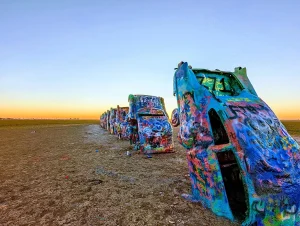
The best roadside attractions for truckers in the U.S.
America’s highways hide unique places that break up the routine, don’t hesitate to check out these roadside attractions along the way. The road is much
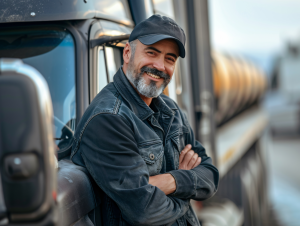
The trucker style: comfort, function, and identity
Truckers’ style is much more than workwear; it’s an identity. These are the most commonly worn garments among truckers. Truckers’ style is much more than
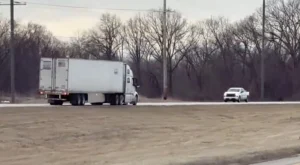
Chaos on Highway 61: Viral Wrong-Way Truck Video Reignites the CDL Debate
An 80-ton tractor-trailer traveling miles in the wrong direction on Missouri’s Highway 61 has reignited a nationwide debate over Commercial Driver’s License (CDL) standards, training
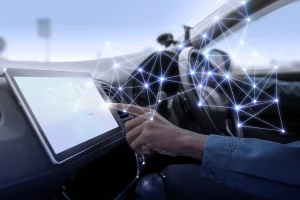
How technology affects driver retention
Friend or foe? 52% of drivers say technology directly influences their decision to stay with or leave a fleet. Fleet telematics company Platform Science published

Dalilah Law seeks to remove non-english speaking commercial drivers
President Donald Trump proposed the “Dalilah Law,” an initiative aimed at prohibiting undocumented immigrants from obtaining commercial driver’s licenses. On February 24, President Donald Trump
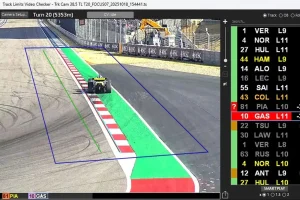
FORMULA 1 and the AI That Could Transform Transportation in the U.S.
The artificial intelligence system that Formula 1 implemented to monitor every car on every turn is opening the door to new applications in trucking, logistics,