Secure your equipment, inventory and employees inside commercial vehicles
Several companies require commercial vehicle insurance, including contractors, real estate agents, and transportation services where driving for commercial purposes is part of daily operations. This essential coverage protects vehicles in the event of an accident and, with the right coverage, ensures equipment and inventory inside the vehicle are also secured.
Acquiring commercial coverage for company vehicles is mandatory by law in most states. This legal requirement emphasizes the importance of safeguarding vehicles used in business activities such as transporting goods, equipment, or passengers.
Commercial policies offer a variety of essential coverages, including collision coverage for accident damage, comprehensive coverage for non-collision accidents like theft, weather-related damage, vandalism, or fire, and liability coverage for injuries and damages caused by the business, among other options.
With proper coverage, commercial vehicle insurance can also extend protection to items transported inside the vehicle. Equipment, inventory, and cargo can benefit from this additional coverage, ensuring the integrity of business assets during transportation.
It is crucial to note that personal vehicle insurance typically excludes coverage for damages incurred while driving for commercial purposes. Therefore, having specific commercial vehicle insurance is essential to ensure comprehensive and adequate protection in the business realm.

There are various types of insurance policies designed to cover different aspects and situations related to commercial vehicles. The most common types are outlined below. It is important to note that the availability of options may vary depending on the insurer, so it is essential to contact specialized agents for comprehensive and personalized information.
1. Liability coverage: This policy helps pay for third-party injuries and property damage if your commercial vehicle is at fault in an accident. It also covers legal expenses associated with potential lawsuits.
2. Collision coverage: Essential for covering damages caused by accidents to company vehicles, providing protection when another vehicle collides with your car or truck.
3. Comprehensive coverage: This policy provides protection against non-collision incidents such as theft, weather-related damage, vandalism, or fire.
4. Medical expenses coverage: Pays for medical or funeral expenses related to injuries caused by an accident to the occupants of commercial vehicles, regardless of who is at fault.
How to determine if commercial vehicle insurance is needed:
Determining the need for commercial vehicle insurance depends on the type of business activities being conducted. Here are some guidelines to identify if it is necessary:
Delivery services: Companies involved in courier services, food delivery, and package delivery should have commercial vehicle insurance due to the nature of their operations.
Transportation and cargo services: Companies offering transportation services require commercial vehicle insurance to cover the risks associated with the movement of people and merchandise.
Construction and contracting: Companies in the construction industry, contractors, and tradespeople often use trucks, vans, or other vehicles to transport tools, equipment, and employees, requiring coverage.
Sales and service businesses: Businesses with sales representatives or service providers who travel extensively to meet with clients, often need commercial vehicle insurance for their vehicle fleet or employees using personal vehicles for work-related travel.
Assessing the nature and scope of business activities is crucial to determine the need for commercial vehicle insurance, ensuring comprehensive coverage for specific risks associated with the commercial use of vehicles.

$170 billion at stake: 1,500 companies demand tariff refunds
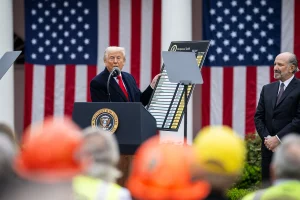
Companies have challenged the global tariffs imposed by President Donald Trump, asking federal courts to reactivate proceedings to begin the refund process. The companies that

In brief: enforcement measures target speeding, CDL training gaps and more
Major enforcement actions across the U.S., including speeding, CDL fraud, and chain violations Colorado launches Speed Enforcement Program The Colorado Department of Transportation (CDOT) has
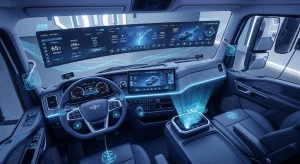
Chinese Vehicles Raise Espionage and Remote Sabotage Concerns
Investigations into Chinese technology in connected vehicles warn of espionage risks, massive data transmission, and potential remote access vulnerabilities that concern U.S. transportation and security

Between the Court and the Fed: the market redefines its roadmap for 2026
Trade policy in limbo as markets price in 2026 rate cuts and Supreme Court strikes down Trump tariff plan. In the latest episode of the

New 10% U.S. import tariff takes effect amid legal and market uncertainty
The implementation of these new tariffs has generated global uncertainty among exporters, increasing confusion around U.S. trade policy. The United States has implemented a new
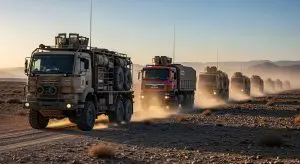
Military Trucks That Moved a Base in Syria
Convoys of advanced HEMTT and PLS military trucks carried armored vehicles, prefabricated base structures, mobile workshops and heavy equipment during the U.S. withdrawal from northeastern