Essential steps to keep vehicles in top condition and ensure a successful 2024 in the transportation industry.
The new year brings with it the need for crucial maintenance to ensure optimal truck performance, crucial for the smooth flow of goods locally and internationally.
Beyond preventing costly breakdowns, regular maintenance protects operators from potential legal implications of traffic accidents, extends the lifespan of trucks, and contributes to road safety. Discover essential steps to keep vehicles in top condition and ensure a successful 2024 in the transportation industry.
Tire Maintenance and Rotation.
Proper tire care is fundamental for truck safety and efficiency. Regular inspection of tire pressure, adjusting it according to manufacturer recommendations, is crucial to avoid irregular wear, excessive fuel consumption, and performance loss. Additionally, periodic tire rotation helps distribute wear, extending tire lifespan and preventing traction, fuel efficiency, and braking issues.
Truck owners should monitor the overall tire condition, identifying potential damage. Proactively replacing tires when necessary prevents punctures and ensures stability on the road.

Fluid Level Inspection.
Trucks operate with various fluids, including engine oil, transmission fluid, brake fluid, and coolant. An essential practice in truck maintenance is the periodic inspection of fluid levels. Ensuring they remain at optimal levels is essential for proper functioning and vehicle longevity.
Always ensure to carry essential tools to check and replenish necessary fluid levels, ensuring your truck’s optimal performance.

Updates and Maintenance of Electronic Systems.
For drivers with electric trucks or electronic systems in their operation, maintaining and updating the software of these systems is crucial for optimal performance. Keeping this software up-to-date is key to the optimal functionality of trucks and addressing potential security vulnerabilities.
Updates provided by the truck manufacturer often include improvements in fuel efficiency, emission control, and overall performance. Ignoring these updates can result in suboptimal performance and increased fuel consumption.

Scheduled Inspections and Regular Tune-Ups.
Regular engine tune-ups are essential for preventive truck maintenance, involving inspection and care of various components to ensure optimal performance. This practice includes checking spark plugs, fuel injectors, air filters, and the ignition system.
Having periodic assistance from an expert is crucial to optimize vehicle performance and detect potential issues not visible to the naked eye. It is essential to have a trusted mechanic available for both emergency situations and regular check-ups.


$170 billion at stake: 1,500 companies demand tariff refunds
Companies have challenged the global tariffs imposed by President Donald Trump, asking federal courts to reactivate proceedings to begin the refund process. The companies that

In brief: enforcement measures target speeding, CDL training gaps and more
Major enforcement actions across the U.S., including speeding, CDL fraud, and chain violations Colorado launches Speed Enforcement Program The Colorado Department of Transportation (CDOT) has

Chinese Vehicles Raise Espionage and Remote Sabotage Concerns
Investigations into Chinese technology in connected vehicles warn of espionage risks, massive data transmission, and potential remote access vulnerabilities that concern U.S. transportation and security

Between the Court and the Fed: the market redefines its roadmap for 2026
Trade policy in limbo as markets price in 2026 rate cuts and Supreme Court strikes down Trump tariff plan. In the latest episode of the

New 10% U.S. import tariff takes effect amid legal and market uncertainty
The implementation of these new tariffs has generated global uncertainty among exporters, increasing confusion around U.S. trade policy. The United States has implemented a new
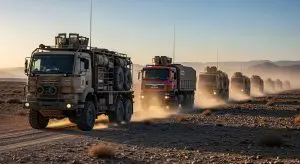
Military Trucks That Moved a Base in Syria
Convoys of advanced HEMTT and PLS military trucks carried armored vehicles, prefabricated base structures, mobile workshops and heavy equipment during the U.S. withdrawal from northeastern